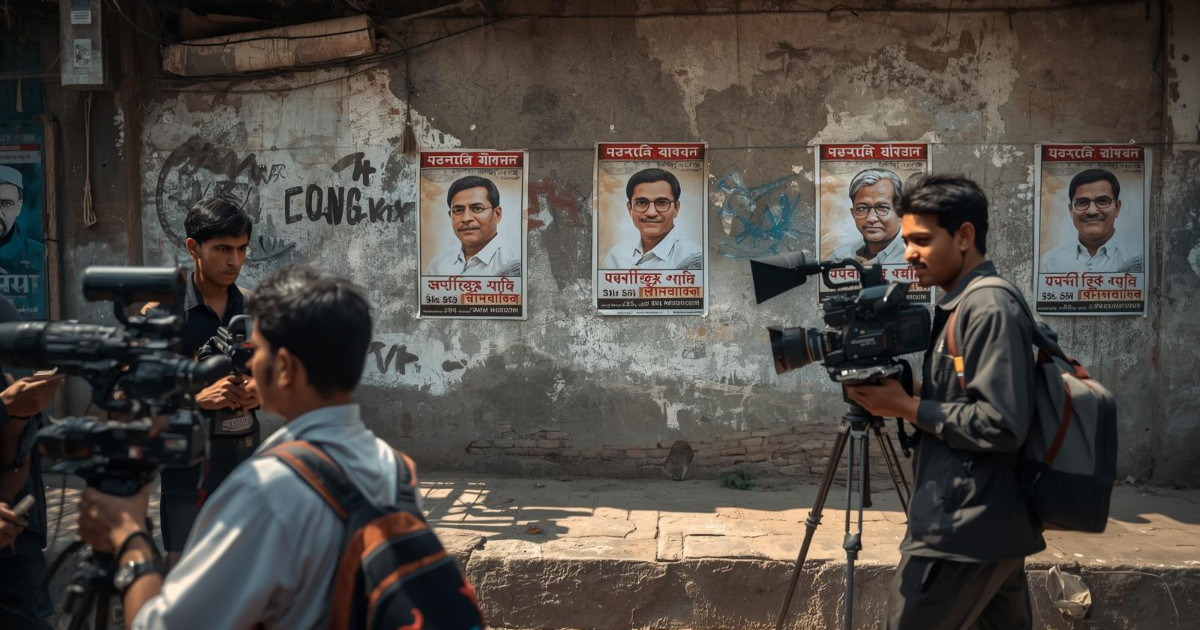

IFJ calls on Governor Punjab to veto Defamation Bill targeting free speech
JournalismPakistan.com | Published: 27 May 2024
Join our WhatsApp channel
The International Federation of Journalists has called on Governor Punjab to veto a controversial defamation bill. The bill is seen as a threat to free speech and journalistic integrity.Summary
The International Federation of Journalists (IFJ) has issued a strong appeal to Governor Punjab Sardar Saleem Haider Khan, urging him not to sign the recently passed defamation bill by the Punjab Assembly.
IFJ Global President Dominique Pradalié emphasized that the law poses a serious threat to freedom of speech and would likely be used to suppress dissenting voices critical of the government.
In a statement, Pradalié highlighted the potential misuse of the defamation bill, expressing concerns that it would serve as a tool to silence journalists, activists, and anyone opposing governmental actions.
"This law will be used to silence the voices against the government," she stated, warning of the dire implications for press freedom and democratic discourse in Punjab.
The Defamation Bill, which has sparked significant controversy, aims to impose stringent penalties on individuals and media organizations found guilty of defamation. Critics argue that the bill's vague language and harsh punishments could lead to self-censorship among journalists and stifle investigative reporting.
The IFJ, representing journalists worldwide, has consistently advocated for the protection of press freedom and the rights of media workers. Pradalié's plea to Governor Khan underscores the organization's commitment to safeguarding these principles. She urged the governor to consider the broader impact on democratic values and the essential role of a free press in holding power to account.
The proposed defamation law has been met with widespread opposition from various media bodies, civil society organizations, and human rights advocates. They argue that the bill contradicts constitutional guarantees of freedom of expression and is likely to embolden those who wish to intimidate and harass journalists.
As the governor reviews the bill, the IFJ and its affiliates in Pakistan continue to call for robust measures to protect journalists and ensure that laws are not weaponized against them. The outcome of this decision will be closely watched by both national and international observers concerned about the future of press freedom in Pakistan.
KEY POINTS:
- The IFJ warns the defamation bill could suppress dissenting voices.
- Critics argue the bill's vague language may lead to self-censorship among journalists.
- The proposed penalties in the bill are considered excessively harsh.
- Opposition from media bodies and civil society highlights concerns about press freedom.
- The outcome of the governor's decision will impact the future of free speech in Pakistan.