
When satire sank two editors
JournalismPakistan.com | Published: 27 June 2021
Join our WhatsApp channel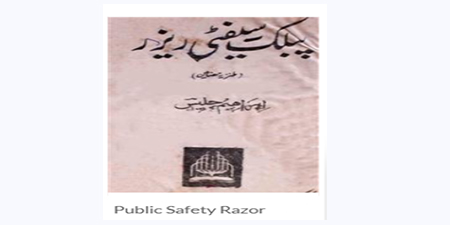
Ahmad Bashir and Tufail Ahmad Khan were dismissed from their editorial positions in 1949 after refusing to retract a satirical article. This incident highlights the dangers journalists faced under government scrutiny.Summary
ISLAMABAD—Making fun of official edicts can prove costly. Way back in 1949, journalists Ahmad Bashir and Tufail Ahmad Khan learnt the hard lesson and paid with their jobs.
Narrating the incident in his book The Press in Chains, Zamir Niazi, says the senior non-conformist journalist, Ahmad Bashir, recalls an incident when he was editor of the Nawa-e-Waqt publications’ weekly journal, Qandil, along with Tufail Ahmad Khan.
It all started with the Muslim League government in Punjab promulgating the Punjab Public Safety Act. This promoted a biting satire from Ibrahim Jalees, under the title, Public Safety Razor. Born on 22 August 1924, Jalees was a writer, a journalist, and also a satirist. Later a book of his satirical articles was also published under the title Public Saftey Razor. The article also earned Jalees a few months behind the bar.
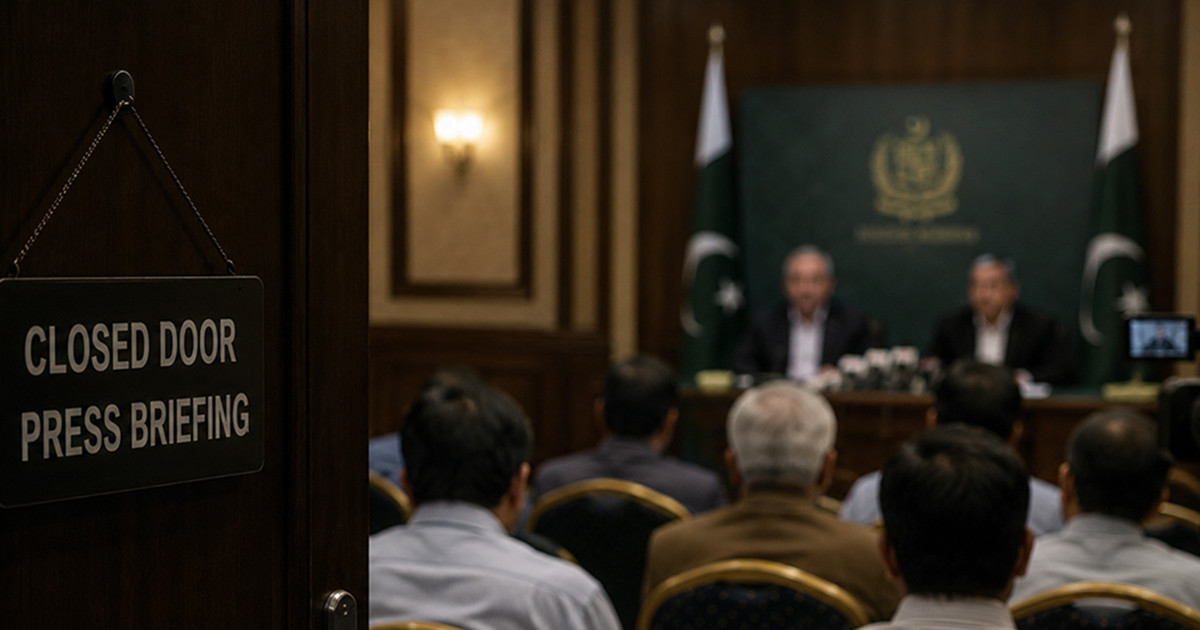
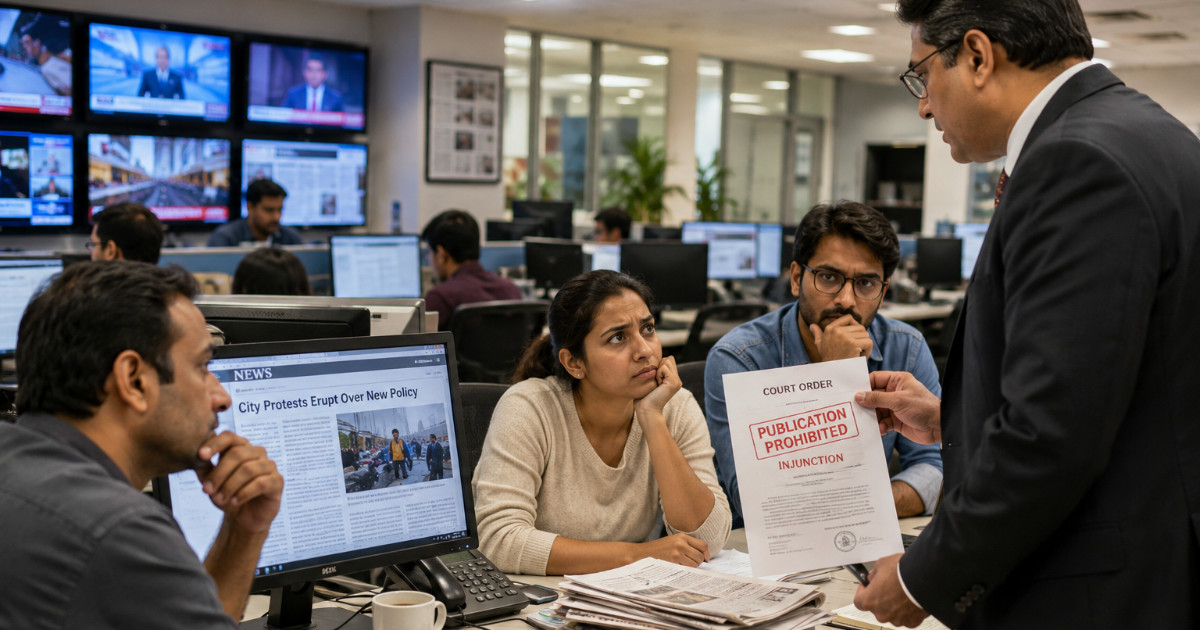
As in-charge of the literary section of the journal, Ahmad Bashir published the article. “Hamid Nizami, chief editor of all the Nawa-i-Waqt publications, summoned both the editors and told them that the said article was against the policy of his papers. He asked them to publish an apology in the next issue, which they refused,” narrates Niazi in The Press in Chains.
The refusal had consequences. Next day when Bashir and Tufail arrived at the office, they were served with a dismissal order for insubordination. And of course, “the subsequent issue of the journal carried the apology in the name of Hamid Nizami.”
Key Points
- In 1949, Ahmad Bashir and Tufail Ahmad Khan edited the journal Qandil.
- They published a satire by Ibrahim Jalees against the Punjab Public Safety Act.
- Refusal to apologize led to their dismissal from Nawa-e-Waqt publications.
- The incident reflects the tension between media and government authority.
- Ibrahim Jalees faced imprisonment for his satirical writing.
Relevant Topics
Ask AI: Understand this story your way
AI EnabledDig deeper, ask anything — get instant context, background, and clarity.
Disclaimer: This feature is powered by AI and is intended to help readers explore and understand news stories more easily. While we strive for accuracy, AI-generated responses may occasionally be incomplete or reflect limitations in the underlying model. This feature does not represent the editorial views of JournalismPakistan. For our full, verified reporting, please refer to the original article.