
IFJ global survey shows massive impact of online abuse on women journalists
JournalismPakistan.com | Published: 23 November 2018
Join our WhatsApp channel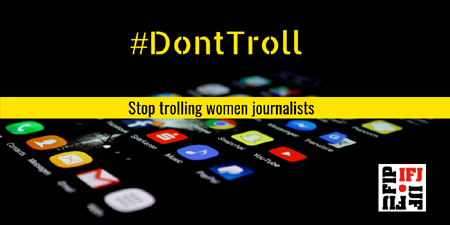
The International Federation of Journalists has published a survey indicating that a significant majority of women journalists endure online abuse. The findings reveal various forms of harassment and a notable lack of reporting and support mechanisms.Summary
BRUSSELS - Almost two-thirds of women journalists have been subjected to online abuse according to a new survey published Friday.
Ahead of the International Day for the Elimination of Violence against Women and Girls (25 November), the International Federation of Journalists (IFJ) has published the preliminary results of its global survey on online harassment of women journalists.
The findings show that 64% of female respondents have experienced online abuse.
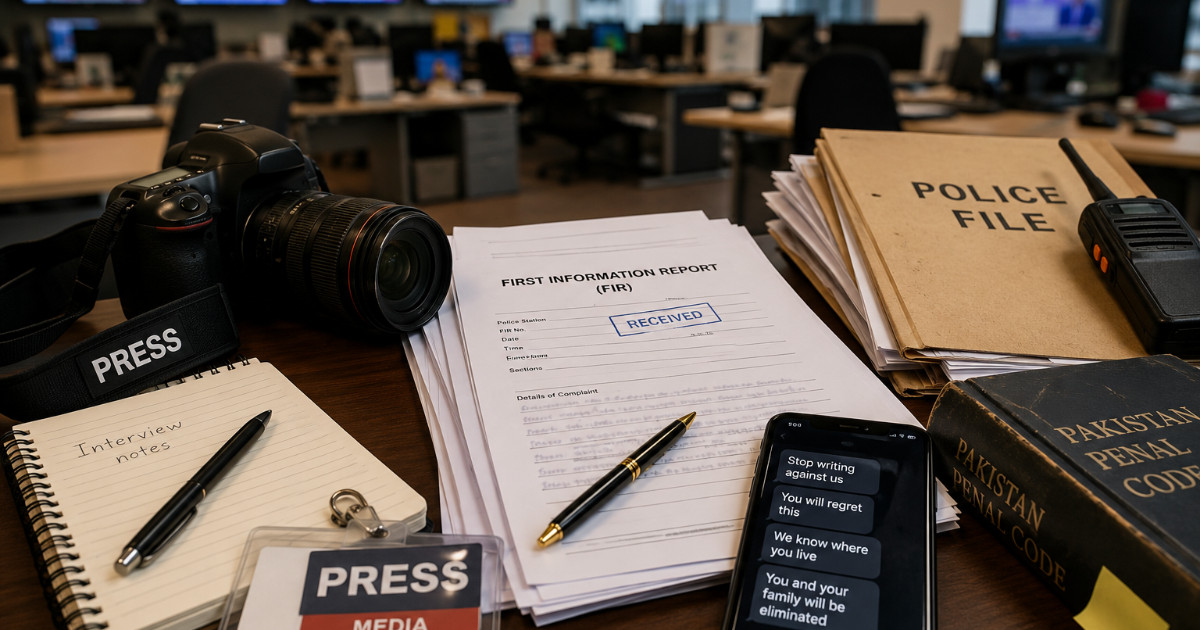
The online harassment takes various forms including death or rape threats, insults, the devaluation of work, sexist comments, being sent obscene images, cyberbullying, cyberstalking and account impersonation.
Among those who suffered online harassment, 47 % of women said they did not report the abuse and when they did it was mainly to their media management (40%).
Another worrying result is that the majority of abused respondents said these attacks had had psychological effects such as anxiety or stress (63 %), while 38 % admitted to self-censorship and 8% lost their job.
IFJ Gender Council Co-chair Mindy Ran said: "This survey highlights one of the fastest growing forms of gender-based violence (GBV) against women journalists as digital platforms encourage ease, impunity, and anonymity of aggression – the bastion of the coward and the bully – hiding in plain sight. This survey, and the previous one published last year also highlights the huge disconnect between experience and action, the lack of support mechanisms, laws, and failure to fully implement those international treaties and labor standards that do exist. It is clear, we are failing to protect our sisters and the lack of recognition of the serious harm that online violence can cause – both psychological and in its sinister silencing impact - must be addressed at every level now".
IFJ President Philippe Leruth said: "These results show how badly support is needed. We are particularly concerned that many female colleagues have reported a form of passivity from other colleagues when they faced online abuse. As a union it is our role to support our colleagues in this fight, make sure they are not alone and provide them with all the help and care they deserve".
The IFJ is highlighting the need for laws to be applied and adapted to online abuse. It points in particular at the lack of police reaction which must be urgently addressed by governments with concrete guidelines on expected responses.
IFJ General Secretary Anthony Bellanger said: "Online abuse can have a devastating effect on a female journalist's career and on democracy. We must show abusers that online abuse is not OK and must not go unpunished. We must expose the abusers and make sure there is no impunity for these attacks".
As part of its #DontTroll campaign to mark 25 November, the IFJ has collected a number of testimonies from women journalists across the world that describes their abuse and how they fought harassment.
In recognition of the wide range of factors cementing GBV in place and the urgent need for action, this year the IFJ and its Gender Council will join their sister union federations in the 16 Days of Action. On the first day, the Survey on Online Violence provides essential data and context, followed by 15 days of short guidelines for actions so that unions and individuals can better tackle this ever-growing and pernicious pandemic of violence. – IFJ media release
Key Points
- 64% of women journalists face online abuse
- 47% of victims do not report the abuse
- Psychological effects include anxiety and stress
- Need for better reporting mechanisms and laws
- IFJ calls for action on online gender-based violence
Relevant Topics
Ask AI: Understand this story your way
AI EnabledDig deeper, ask anything — get instant context, background, and clarity.
Disclaimer: This feature is powered by AI and is intended to help readers explore and understand news stories more easily. While we strive for accuracy, AI-generated responses may occasionally be incomplete or reflect limitations in the underlying model. This feature does not represent the editorial views of JournalismPakistan. For our full, verified reporting, please refer to the original article.