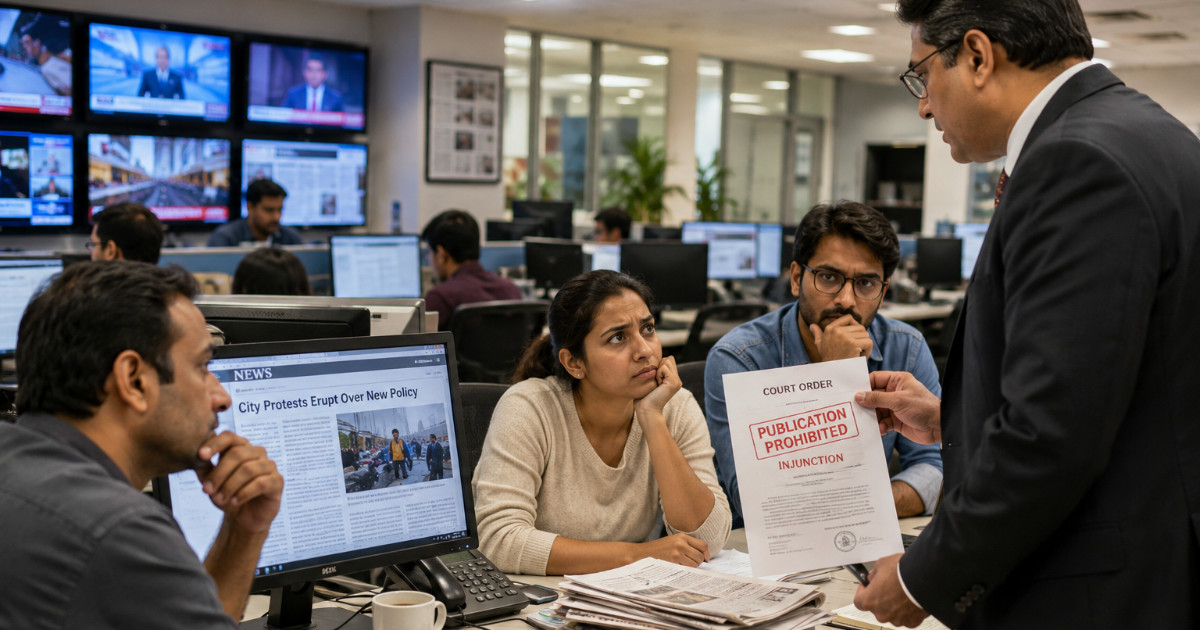

Your go-to guide for navigating the complex world of online media and journalism
JournalismPakistan.com | Published: 23 April 2023
Join our WhatsApp channel
This guide explores the complexities of online media and journalism, offering strategies for navigating the vast landscape of digital content. It emphasizes the importance of critical thinking and media literacy in distinguishing credible information from misinformation.Summary
ISLAMABAD—The world of media and journalism has rapidly evolved over the past few decades, with the rise of digital technology and the internet. Today, online media and journalism are an integral part of our lives, providing us with instant access to news, information, and entertainment from around the world. In this guide, we'll take you through the basics of online media and journalism and help you navigate this vast and ever-changing landscape.
Understanding Online Media and Journalism: Online media and journalism encompass a range of digital platforms and channels, including news websites, social media, blogs, podcasts, and online video. These platforms offer a diverse range of content, from breaking news and investigative reporting to opinion pieces and entertainment.
One of the biggest advantages of online media and journalism is the immediacy and accessibility of information. With just a few clicks, we can access breaking news from around the world, read in-depth analyses of current events, and engage with other people's opinions and perspectives.
However, the vast amount of content available online can also be overwhelming and challenging to navigate. It's essential to develop critical thinking skills and media literacy to distinguish between credible sources and misinformation.
Tips for Navigating Online Media and Journalism:
- Check the source: Always verify the source of the information before sharing or acting on it. Look for reputable news organizations and journalists with a track record of quality reporting.
- Look for multiple sources: Don't rely on a single source for information. Seek out multiple perspectives and sources to gain a more comprehensive understanding of an issue.
- Be aware of biases: Every news organization and journalist has their biases and perspectives. It's essential to be aware of these biases and approach information with a critical eye.
- Practice media literacy: Develop critical thinking skills and media literacy to distinguish between credible sources and misinformation. Be aware of clickbait and sensational headlines.
- Engage with the content: Engage with the content by leaving comments and sharing your opinions. This can help you gain a better understanding of the issue and contribute to the conversation.
Online media and journalism have transformed the way we consume and engage with news and information. While the vast amount of content available online can be overwhelming, developing critical thinking skills and media literacy can help you navigate this landscape with confidence. By following these tips, you can engage with online media and journalism in a meaningful and responsible way.
Frequently Asked Questions:
- What is online media and journalism? Online media and journalism encompass a range of digital platforms and channels, including news websites, social media, blogs, podcasts, and online video. These platforms offer a diverse range of content, from breaking news and investigative reporting to opinion pieces and entertainment.
- How have online media and journalism changed traditional media? Online media and journalism have revolutionized the traditional media landscape by offering more accessible, immediate, and diverse content. Traditional media outlets have had to adapt to the rise of online media and journalism by incorporating digital platforms into their strategies.
- How do I determine the credibility of online media and journalism sources? Always verify the source of the information before sharing or acting on it. Look for reputable news organizations and journalists with a track record of quality reporting. Seek out multiple perspectives and sources to gain a more comprehensive understanding of an issue.
- What is the difference between news websites and social media? News websites are usually run by professional journalists and news organizations and are dedicated to delivering quality news and information. Social media platforms are user-generated and offer a diverse range of content, from breaking news to personal opinions and perspectives.
- What are some examples of online media and journalism platforms? Some examples of online media and journalism platforms include news websites like CNN, social media platforms like Twitter and Facebook, blogs like HuffPost, and podcasts like NPR's "Up First."
- How can I stay up-to-date with the latest news and information? There are several ways to stay up-to-date with the latest news and information, including subscribing to reputable news organizations, following journalists and news organizations on social media, and setting up Google Alerts for specific topics.
- How can I engage with online media and journalism content? Engage with the content by leaving comments and sharing your opinions. This can help you gain a better understanding of the issue and contribute to the conversation.
- How can I avoid misinformation and fake news online? Develop critical thinking skills and media literacy to distinguish between credible sources and misinformation. Be aware of clickbait and sensational headlines, and always verify the source of the information before sharing or acting on it.
- What are some of the challenges facing online media and journalism? Some of the challenges facing online media and journalism include the spread of misinformation and fake news, online harassment and threats to journalists, and the struggle to monetize digital content.
- How can I support online media and journalism? Support online media and journalism by subscribing to reputable news organizations, sharing quality content on social media, and engaging with journalists and news organizations.
Key Points
- Online media includes news websites, social media, blogs, and podcasts.
- Immediate access to information has transformed news consumption.
- Developing critical thinking skills is vital for navigating content.
- Verify sources and seek multiple perspectives to understand issues.
- Engage meaningfully by discussing and sharing content responsibly.
Relevant Topics
Ask AI: Understand this story your way
AI EnabledDig deeper, ask anything — get instant context, background, and clarity.
Disclaimer: This feature is powered by AI and is intended to help readers explore and understand news stories more easily. While we strive for accuracy, AI-generated responses may occasionally be incomplete or reflect limitations in the underlying model. This feature does not represent the editorial views of JournalismPakistan. For our full, verified reporting, please refer to the original article.