
Dawn comments on a complete disregard of journalistic ethics
JournalismPakistan.com | Published: 19 May 2019
Join our WhatsApp channel
Dawn highlights a significant lapse in journalistic ethics during the announcement of Qamar Zaman Kaira's son's death. The editorial emphasizes the need for sensitivity in reporting.Summary
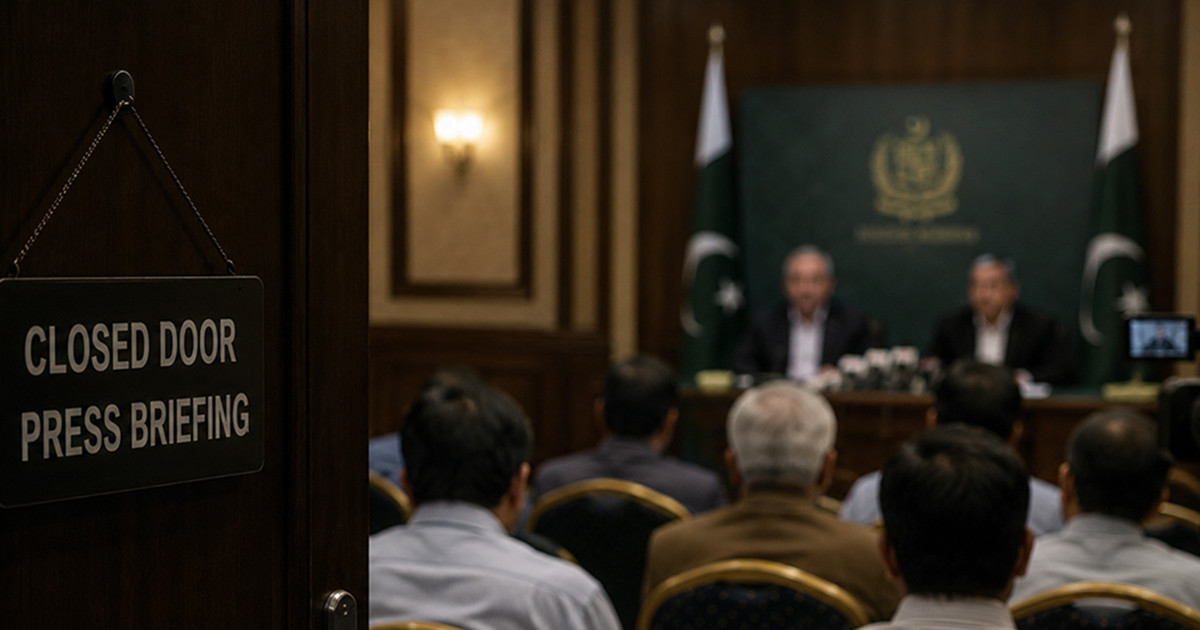
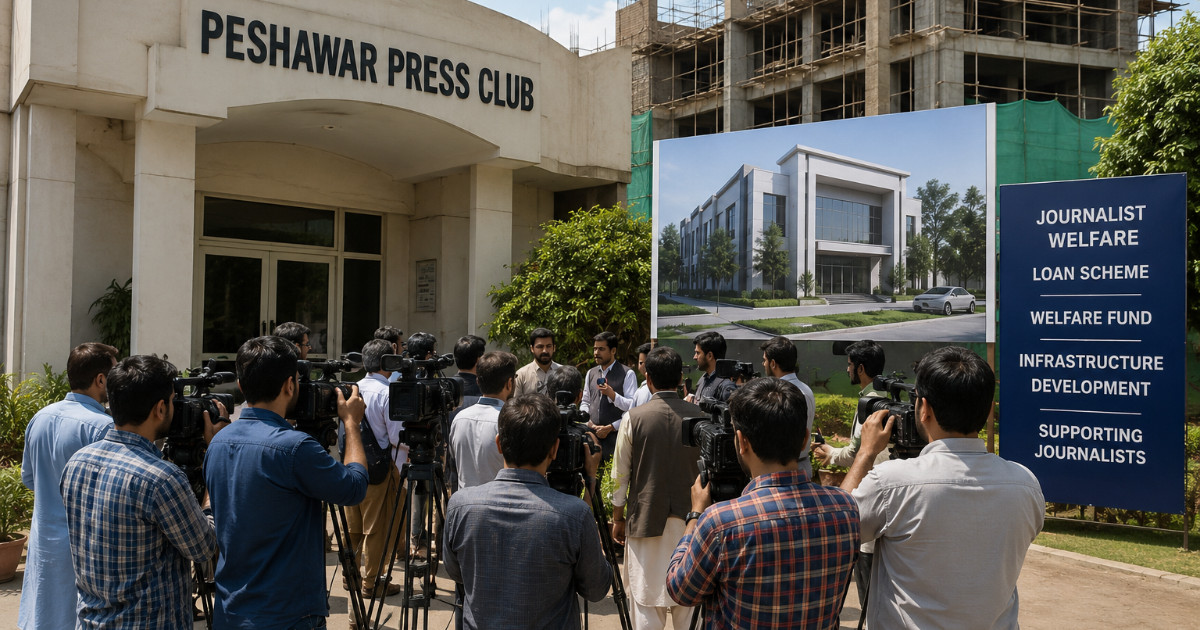
ISLAMABAD – Dawn said on Sunday that journalistic ethics were completely disregarded when journalists broke the news about the death of PPP Punjab President Qamar Zaman Kaira’s son during a live broadcast.
In an editorial, the paper regretted that “Mr. Kaira learnt about a personal tragedy in a very public way as his private grief was broadcast live on television channels.”
It added that “along with these expressions of grief, however, there was an outpouring of disgust at the way the news was broken to the father.”
The paper said as the cameras rolled, a journalist could be heard saying he had bad news regarding his son, “God have mercy.”
“When Mr. Kaira inquired who, unable to hear clearly, another journalist informed him that his son had been in an accident. The visibly shocked politician excused himself from the conference, to make his way back to his constituency.”
Dawn said at such a sensitive moment, perhaps the graceful thing to do would have been to take the father to the side and inform him privately. “But in the age of breaking news, 24/7 broadcasting of human misery, near-constant vilification of ideological opponents and traditional politicians, and voyeurism that blurs the boundary between the private and public selves, it seems that our sense of decency and dignity have been forgotten somewhere amongst all the noise.”
It reminded that in the recent past, a code of conduct for journalists was issued. The six principles of the code were: “truth and accuracy; pluralism; independence, fairness and impartiality; confidentiality and privacy; accountability and good governance; and finally, humanity and the duty to do no harm.”
However, the paper regretted that “we keep seeing instances of violations of these principles.” In the age of information, Dawn maintained, “empathy should not become the casualty.”
Key Points
- Dawn criticizes the public announcement of Kaira's son's death during a live broadcast.
- The editor calls for journalists to uphold ethical standards during sensitive news.
- Violations of a recently issued code of conduct for journalists are noted.
- Dawn emphasizes the need for empathy in the age of constant news coverage.
- The paper suggests informing individuals privately about personal tragedies.
Relevant Topics
Ask AI: Understand this story your way
AI EnabledDig deeper, ask anything — get instant context, background, and clarity.
Disclaimer: This feature is powered by AI and is intended to help readers explore and understand news stories more easily. While we strive for accuracy, AI-generated responses may occasionally be incomplete or reflect limitations in the underlying model. This feature does not represent the editorial views of JournalismPakistan. For our full, verified reporting, please refer to the original article.