.jpg)
Pakistan Digital Transformation Report 2024: Progress and pitfalls unveiled
JournalismPakistan.com | Published: 27 December 2024 | Media Release
Join our WhatsApp channel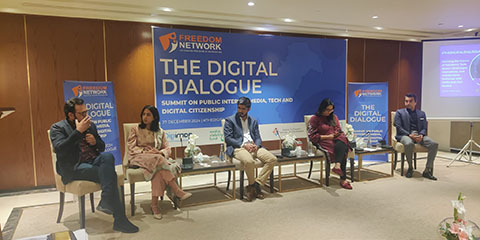
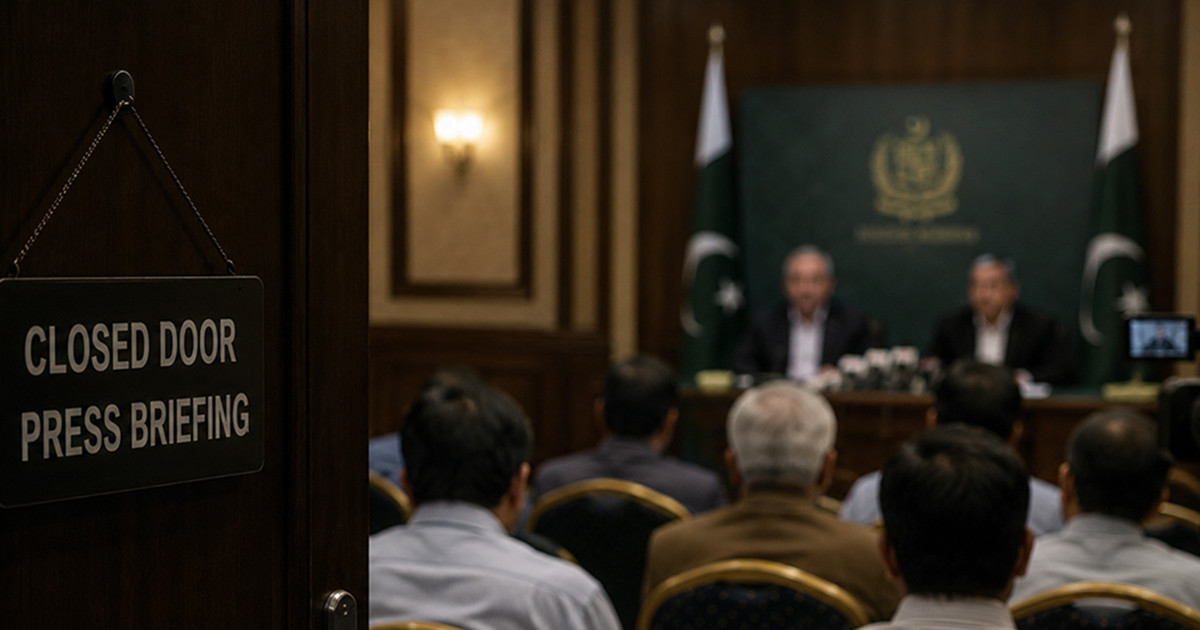
The Pakistan Digital Transformation Report 2024 was launched at a summit discussing digital rights and media viability. Experts emphasized the importance of a collaborative approach to address challenges in digital governance and media sustainability.Summary
ISLAMABAD-Access to digital spaces and uninterrupted Internet should also be fundamental rights alongside citizens' existing right to information, human rights activist and former senator Farhatullah Babar said on Friday.
He was delivering the keynote address at The Digital Dialogue, a summit on public interest media, technology, and digital citizenship organized by Freedom Network in Islamabad.
The summit brought together over 50 experts and practitioners from digital journalism, the tech sector, academia, and civil society to discuss solutions for shaping Pakistan’s digital future. At the event, a new annual report on digitization trends in the country was launched.
Mr. Babar urged the participants to take the conversation to the relevant parliamentary committees to explain to them the pitfalls and best practices of Internet governance.
“We must broaden the discussion on a legal framework for digital rights,” he said. “All must be included in this dialogue.”
Iqbal Khattak, the Executive Director of Freedom Network, said the summit was intended to provide a collaborative forum for voices that are ignored in media and Internet policy.
“The summit aims to foster dialogue on the challenges and opportunities for Pakistan’s digital media and tech sectors,” he said. “We are meeting at a time when equitable access and progressive policies are needed to help Pakistan prepare for its digital future.”
The summit also saw the launch of the Pakistan Digital Transformation Report 2024, published by Freedom Network and IDRAC (Ideas for Development, Research and Change).
The report provides a review of the progress of digitalization across sectors and domains in the country. It includes a comprehensive assessment of Pakistan’s digital transformation journey and the setbacks that affected optimal progress.
While introducing the report’s findings, media development expert Adnan Rehmat, who is the author of the report, said Pakistan is one of the world’s 10 most digitalized societies in terms of the number of people with Internet access and social media users.
“Pakistan has a stated policy of aiding and fast-tracking digitalization of democracy, governance, economy and social development,” he said. “The country’s journey toward deep and irreversible digital transformation has been gaining momentum in recent years.
Mr. Rehmat said some of the key achievements related to digital transformation have been economic growth and innovation.
“The increasing digitalization of government departments and online government services for citizens and the IT-enabled services sector have exhibited tremendous potential to improve governance; drive economic growth, foster innovation and improve the quality of life through digital transformation,” he said.
He also listed key challenges during the year such as the still-limited infrastructure and inadequate investments that are preventing the realization of the promise of a digital society.
“This includes a dichotomous approach to viewing access to the Internet as a key priority for the national digitalization drive including the digital economy and yet also myopically seeing the Internet as a dangerous power in the hands of people when it comes to freedom of expression and democratic engagement online,” he said.
According to the report, achievements with overall positive impact included the domains of digital policies; digital governance systems by various governments; digital justice; AI, and space tech.
Ranking setbacks with the overall negative impact that hindered the digital transformation process during 2024, the report listed these in the domains of digital freedom of expression and right to information; content regulation and privacy concerns; digital politics; digital economy; Internet and investments in tech entrepreneurism.
The summit also featured four panel discussions on digital media viability, online citizenship, tech sector collaboration, and public interest journalism for marginalized communities.
At the summit panel on the financial sustainability of independent digital news media, panelists spoke about strategies that can help digital media diversify their revenues.
Talha Ahad, the CEO of The Centrum Media, said digital media outlets must understand the value they can offer through their journalism and never compromise on content quality because it leads to both credibility with the audience and revenue.
Media viability strategist Momina Mindeel said digital media need to collaborate and explore innovative ways to engage with their audiences including through offline events.
Arsalan Ali, the co-founder and CEO of Times of Karachi, said investment and advertising opportunities are available for digital media but they need to be consistent in their news operations to benefit from these chances.
The panel on digital citizenship discussed meaningful online participation for citizens.
Digital rights activist Usama Khilji said it is important to hold the government accountable because cyber laws are selectively implemented to infringe upon the rights of the public rather than using a citizen-centric approach that respects digital rights.
Digital expert Usman Zafar said it is important to include education on digital critical thinking in the curriculum so young people can learn which online information is good and which is harmful.
“People are genuinely confused about finding information online and they want to know where to look for it,” he said. “Education, sensitization, and skill-building in digital literacy are the steps we need to take.”
Journalist Qurrat ul Ain Shirazi said the local digital news media do not have the support and resources that international digital media possess so they have to make extra efforts to provide ethical and reliable information, otherwise calls for their regulation will increase.
The panel on collaborative pathways saw participation from the financial and tech sectors and civil society representatives.
Laraib Farhat, manager of policy and government relations at P@SHA, said a consultative process for digital policymaking is often ignored in Pakistan.
“We should strike a balance between the need for regulation and the need for facilitation,” Ms. Farhat said. “We should not regulate so much that we choke society.”
Mutaher Khan, a business journalist and founder of Data Darbar, said incentives for digital startup growth are still missing and the growth potential is further affected by external factors such as Internet slowdowns and app bans. The media and civil society must engage with the tech sector in order for their interventions to be scaled up, he said.
Mubariz Siddiqui, a tech lawyer and entrepreneur, said Pakistan is still far from global standards in its digital policies. He said the compliance procedures for foreign investment in technology continue to be so intrusive that they discourage potential investors. “A little foresight can help Pakistan avoid the negative impact of its digital policies on trade,” he said.
IRADA programme manager Salwa Rana said the policy intent of control continues to prevail in relation to Internet governance rather than considerations for safe and open Internet access.
The final panel discussion highlighted the importance of public-interest digital journalism.
Journalist Ali Mujeeb, the co-founder of Ibex Media Network, said their news organization reflects the issues of communities in Gilgit-Baltistan that were under-represented in the traditional media and the community support has helped them withstand external threats and pressures.
Journalist Amber Rahim Shamsi, the Pakistan Editor of the digital platform Nukta, said people want to hear their own voices on social media and while digital news organizations were late to pick up momentum in the country, they have now started to produce impressive news content for digital audiences.
Damaan TV co-founder Nusrat Gandapur said they were able to build credibility with their local communities around Dera Ismail Khan by publishing in their local languages. The community trusts them now because the people know their issues will find space in Damaan TV’s content, he said.
Ms. Shamsi also delivered the concluding remarks at the summit. She said digital media organizations should be alert to the influence exercised by the policies and algorithms of Big Tech companies and they should also be mindful to leverage the potential of AI technologies for assisting with journalism and news production.
Key Points
- Access to digital spaces is now viewed as a fundamental right in Pakistan.
- The report outlines key achievements and setbacks in the country's digital journey.
- Experts call for a legal framework to enhance digital rights and governance.
- The summit featured discussions on media sustainability and online citizenship.
- Challenges include inadequate infrastructure and digital policy inconsistencies.
Relevant Topics
Ask AI: Understand this story your way
AI EnabledDig deeper, ask anything — get instant context, background, and clarity.
Disclaimer: This feature is powered by AI and is intended to help readers explore and understand news stories more easily. While we strive for accuracy, AI-generated responses may occasionally be incomplete or reflect limitations in the underlying model. This feature does not represent the editorial views of JournalismPakistan. For our full, verified reporting, please refer to the original article.