
Lawsuit against The Atlantic fuels press freedom concerns Meera walkout puts focus on Irshad Bhatti's interview ethics One article, no newsroom: Viral piece sparks debate on Pakistan media From regulation to resignations: Pakistan's media fault lines Asia press freedom: A week of pressure and progress Five reasons slow news days strengthen journalism Press freedom review: Detentions, digital control, and industry upheaval Chilling effect in media: The unseen pressure behind newsroom decisions South Asia sees 250 media rights violations in a year Media coverage of violence against women falls sharply globally Attack on Assamese newspaper deepens press safety concerns London arrests over Iran International attack The JournalismPakistan Global Media Brief | Edition 16 | April 17, 2026 Jahanzaib Haque takes helm as Nukta chief editor Khaleej Times at 48: A legacy newspaper navigating the digital age Lawsuit against The Atlantic fuels press freedom concerns Meera walkout puts focus on Irshad Bhatti's interview ethics One article, no newsroom: Viral piece sparks debate on Pakistan media From regulation to resignations: Pakistan's media fault lines Asia press freedom: A week of pressure and progress Five reasons slow news days strengthen journalism Press freedom review: Detentions, digital control, and industry upheaval Chilling effect in media: The unseen pressure behind newsroom decisions South Asia sees 250 media rights violations in a year Media coverage of violence against women falls sharply globally Attack on Assamese newspaper deepens press safety concerns London arrests over Iran International attack The JournalismPakistan Global Media Brief | Edition 16 | April 17, 2026 Jahanzaib Haque takes helm as Nukta chief editor Khaleej Times at 48: A legacy newspaper navigating the digital age
Logo
Janu
Gone Too Soon

Dawn investigation reveals banned outfits in Pakistan operate freely on Facebook

 JournalismPakistan.com |  Published: 30 May 2017

Join our WhatsApp channel
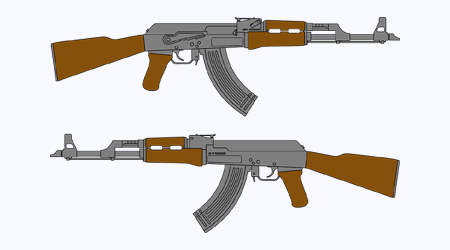
Dawn investigation reveals banned outfits in Pakistan operate freely on Facebook
Dawn's investigation shows that many banned outfits in Pakistan maintain active presences on Facebook. The groups include sectarian and separatist organizations, communicating primarily in local languages.

ISLAMABAD - Forty-one out of Pakistan's 64 banned outfits are present on Facebook in the form of groups and individual user profiles and operate openly on Facebook.

According to an investigation carried out by Dawn last month, the outfits' network, both interconnected and public, is a mix of Sunni and Shia sectarian groups, global terror organizations operating in Pakistan, and separatists in Balochistan and Sindh provinces.

The names of all banned outfits, including acronyms and small variations in spelling, were searched on Facebook to find pages, groups, and user profiles that publicly "liked" a banned outfit.

The biggest outfits on Facebook, in order of size, are Ahle Sunnat Wal Jamaat (ASWJ) with 200 pages and groups, Jeay Sindh Muttahida Mahaz (JSMM) with 160, Sipah-i-Sahaba (SSP) 148, Balochistan Students Organization Azad (BSO-A) 54 and Sipah-e-Muhammad with 45.

Other banned outfits which exist on Facebook at a smaller scale include Lashkar-e-Jhangvi (LeJ), Tehreek-e-Taliban Pakistan (TTP), Tehreek-e-Taliban Swat, Tehrik-e-Nifaz-e-Shariat-e-Mohammadi, Jamat-ul-Ahrar, 313 Brigade, multiple Shia outfits and a host of Baloch separatist organizations.

"An examination of some user profiles linked to these banned outfits indicates open support of sectarian and extremist ideology", Dawn said in its report.

A few of these profiles have also publicly "liked" pages and groups related to weapons use and training.

While some of the Facebook pages and groups claim to be "official" representatives of the outfits, others appear to be managed by members and supporters in ideological agreement.

"In general, the Facebook updates were in Urdu or Roman Urdu rather than English, suggesting the content was primarily for local consumption. A very small number were in Sindhi or Balochi, also indicating a niche target audience," the report added. - Agencies

Key Points

  • 41 out of 64 banned outfits active on Facebook.
  • Largest groups include ASWJ, JSMM, and SSP.
  • Profiles linked to banned outfits show support for extremist ideologies.
  • Content primarily in Urdu, targeting local audiences.
  • Some profiles 'like' pages related to weapons and training.

Ask AI: Understand this story your way

AI Enabled

Dig deeper, ask anything — get instant context, background, and clarity.

Not sure what to choose? Try one of these.

The AI generates results based on your selected options
Your AI-generated results will appear here after you click the button.

Disclaimer: This feature is powered by AI and is intended to help readers explore and understand news stories more easily. While we strive for accuracy, AI-generated responses may occasionally be incomplete or reflect limitations in the underlying model. This feature does not represent the editorial views of JournalismPakistan. For our full, verified reporting, please refer to the original article.

Don't Miss These

Newsroom
Lawsuit against The Atlantic fuels press freedom concerns

Lawsuit against The Atlantic fuels press freedom concerns

 April 21, 2026 Kash Patel's defamation suit against The Atlantic has intensified scrutiny of legal pressures on journalists and raised concerns about press freedom.


Meera walkout puts focus on Irshad Bhatti's interview ethics

Meera walkout puts focus on Irshad Bhatti's interview ethics

 April 20, 2026 Irshad Bhatti's podcast interview with actor Meera drew criticism after he pressed personal topics and Meera walked out, sparking debate over media accountability.


One article, no newsroom: Viral piece sparks debate on Pakistan media

One article, no newsroom: Viral piece sparks debate on Pakistan media

 April 20, 2026 Dan Qayyum's viral article drew one million views in days, igniting debate about independent creators' reach and what it means for Pakistan's newsrooms.


Asia press freedom: A week of pressure and progress

Asia press freedom: A week of pressure and progress

 April 19, 2026 Across Asia, journalists faced growing legal pressure, expanded surveillance and attacks on media outlets, even as a key appointment boosted gender diversity.


Five reasons slow news days strengthen journalism

Five reasons slow news days strengthen journalism

 April 19, 2026 Slow news days give journalists time to verify facts, pursue in-depth reporting, and reduce errors, strengthening overall newsroom accuracy and long-form storytelling.


Popular Stories