
Murdoch sowed seeds of scandal: ex-editor
JournalismPakistan.com | Published: 18 May 2012
Join our WhatsApp channel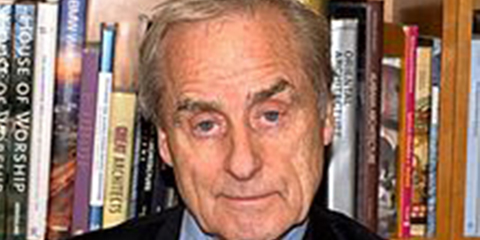
Former Times editor Harry Evans told the Leveson inquiry that Rupert Murdoch helped create conditions that led to the phone hacking scandal. Evans said Murdoch pressured him to align The Times with then Prime Minister Margaret Thatcher. He warned that overly close ties between politicians and the press can undermine standards.Summary
LONDON: Rupert Murdoch sowed the seeds of the phone hacking scandal that has tarnished his reputation by forcing Britain's most respected newspapers into "a Faustian bargain" with the powerful, a former editor of the UK's Times newspaper said Thursday. Harry Evans told a British media inquiry how as editor of the Times he battled attempts by Murdoch to compel him to support British Prime Minister Margaret Thatcher. At the Leveson inquiry last month, Murdoch denied influencing the editorial stance of the Times papers. News Corp could not be immediately reached for comment on Evans' comments. Evans is now editor at large for Reuters, which is owned by Thomson Reuters. The Thomson family, who owned the Times and the Sunday Times before Murdoch acquired them, controls Thomson Reuters. Expressing disgust at a fall in journalistic standards that he said Murdoch helped stoke by fostering a culture of trifling scandal, Evans said reporters needed principles to prevent them getting too close to the powerful. "It's a Faustian bargain when you get too intimate with politicians, it serves neither the politicians nor the press well for the relationship to get to be one of complicity," Evans, 83, told the inquiry in the High Court.- Reuters
KEY POINTS:
- Harry Evans said Murdoch pushed respected newspapers into a damaging relationship with powerful figures
- Evans described attempts to pressure The Times to support Prime Minister Margaret Thatcher
- Murdoch previously denied influencing The Times editorial stance at the Leveson inquiry
- Evans criticized a decline in journalistic standards and a culture of scandal
- He argued reporters need principles to avoid complicity with politicians