.png)
A guide to becoming a leading sports reporter in Pakistan
JournalismPakistan.com | Published: 30 July 2024 | Imran Naeem Ahmad
Join our WhatsApp channel
This article provides aspiring sports journalists in Pakistan with essential tips to excel in the industry. It covers skills, networking, experience, and ethics needed for effective sports reporting.Summary
ISLAMABAD—Sports reporting in Pakistan offers a dynamic and rewarding career path for those passionate about sports and journalism. As the industry continues to grow, there are ample opportunities for aspiring journalists to carve out their niche and make a significant impact. Here are some essential tips on how to make your mark in sports reporting in Pakistan.
1. Understand the Sports Landscape
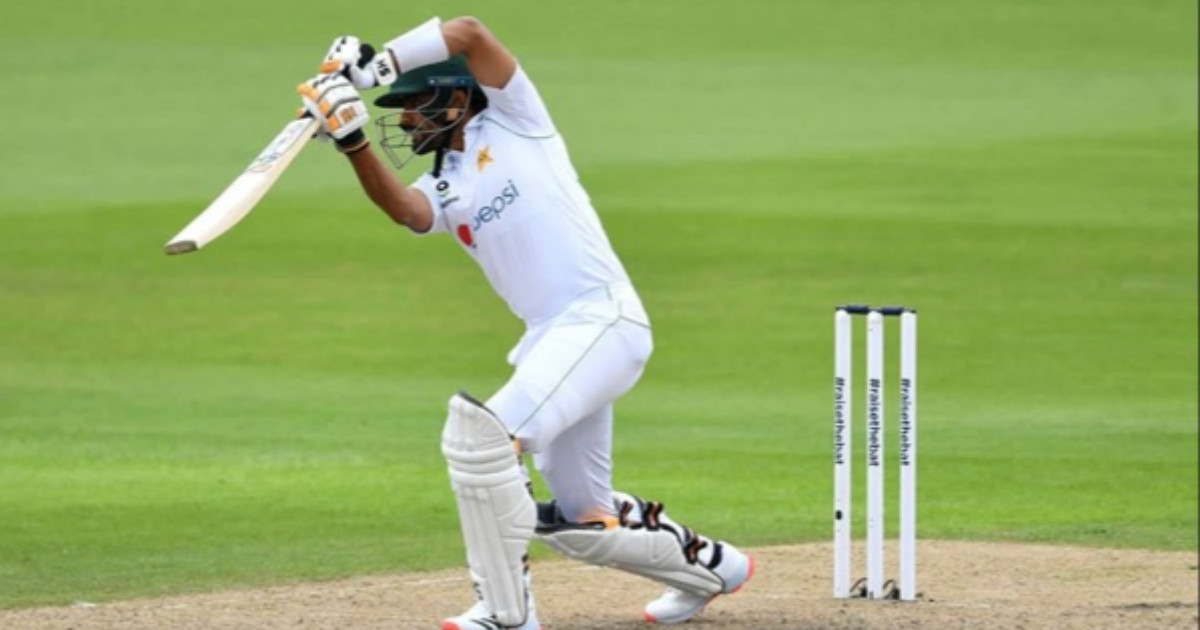
To succeed in sports reporting, you need a thorough understanding of the sports landscape in Pakistan. This includes knowledge of popular sports such as cricket, hockey, football, and sports like squash and volleyball. Keeping up-to-date with local and international sports news, trends, and statistics is crucial.
2. Build Strong Writing and Reporting Skills
Excellent writing and reporting skills are the foundation of any successful journalist. Focus on developing a clear, engaging writing style and learn to craft compelling stories that capture the audience's attention. Practice writing match reports, player profiles, and feature articles regularly.
3. Gain Practical Experience
Experience is invaluable in sports journalism. Start by writing for local newspapers, online sports platforms, or even a personal blog. Volunteering to cover local sports events or internships with established media organizations can provide hands-on experience and help you build a portfolio.
4. Network with Industry Professionals
Networking is key to building a successful career in sports reporting. Attend sports events, press conferences, and media briefings to connect with fellow journalists, editors, and sports professionals. Joining journalism associations like the Rawalpindi-Islamabad Sports Journalists Association (RISJA) and online communities can also provide valuable contacts and opportunities.
5. Embrace Digital Media
With the rise of digital media, having a strong online presence is essential. Familiarize yourself with social media platforms, blogging, podcasting, and video reporting. Creating multimedia content can enhance your storytelling abilities and reach a broader audience.
6. Stay Ethical and Objective
Maintaining high ethical standards and objectivity is vital in journalism. Report the facts accurately, avoid bias, and respect confidentiality. Upholding these principles will earn you credibility and trust within the industry and among your audience.
7. Develop a Unique Voice
To stand out in the competitive field of sports journalism, develop a unique voice and perspective. Offer fresh insights, unique angles, and in-depth analysis that set your work apart from others. Your distinct style will make your reporting more memorable and impactful.
8. Seek Mentorship and Continuous Learning
Learning from experienced journalists can provide invaluable guidance and support. Seek mentorship opportunities and be open to constructive feedback. Additionally, continuously updating your skills through workshops, courses, and reading can keep you at the forefront of the industry.
9. Prepare for Challenges
Sports journalism in Pakistan can be challenging due to various factors such as political influence, access issues, and financial constraints. Being prepared for these challenges and developing resilience will help you navigate the complexities of the field.
10. Show Passion and Commitment
Passion and commitment are the driving forces behind successful sports journalists. Your enthusiasm for sports and dedication to journalism will shine through in your work, inspiring your audience and opening doors to greater opportunities.
By following these tips and remaining dedicated to your craft, you can make a significant mark in sports reporting in Pakistan. The journey may be challenging, but the rewards of informing and engaging sports fans across the country are well worth the effort.
About the writer: Imran Naeem Ahmad is an accomplished Pakistani journalist with 40 years of experience. For nearly 25 years, he specialized in sports journalism, His work is renowned for his engaging storytelling. In 2006, he expanded his expertise to other branches of journalism, continuing to make significant contributions to the industry.
Key Points
- Understand the sports landscape in Pakistan, including popular sports.
- Develop strong writing, reporting skills, and practical experience.
- Network with industry professionals and engage in digital media.
- Uphold ethical standards and develop a unique voice in reporting.
- Seek mentorship and commit to continuous learning and improvement.
Relevant Topics
Ask AI: Understand this story your way
AI EnabledDig deeper, ask anything — get instant context, background, and clarity.
Disclaimer: This feature is powered by AI and is intended to help readers explore and understand news stories more easily. While we strive for accuracy, AI-generated responses may occasionally be incomplete or reflect limitations in the underlying model. This feature does not represent the editorial views of JournalismPakistan. For our full, verified reporting, please refer to the original article.