.png)
Police probe two journalists in Indian-occupied Kashmir
JournalismPakistan.com | Published: 21 April 2020
Join our WhatsApp channel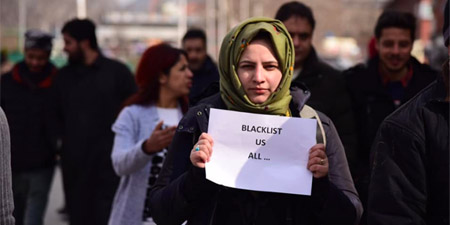
Authorities in Jammu and Kashmir have questioned journalists Masrat Zahra and Peerzada Ashiq over their reporting. The Committee to Protect Journalists urges an end to harassment and for the police to drop the investigations.Summary
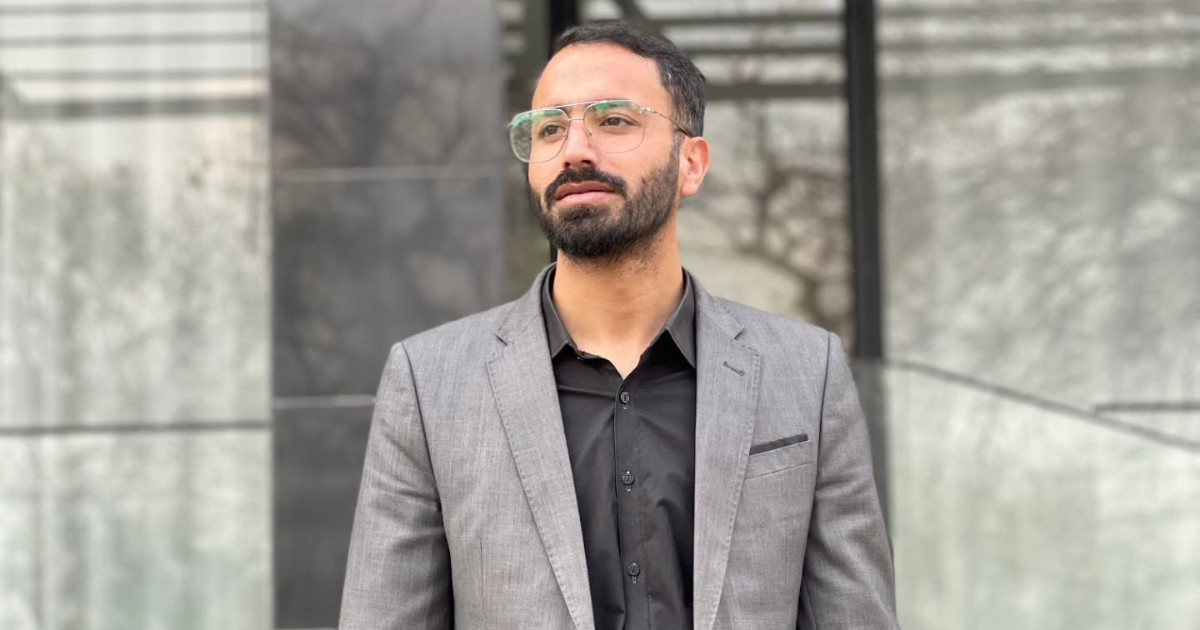
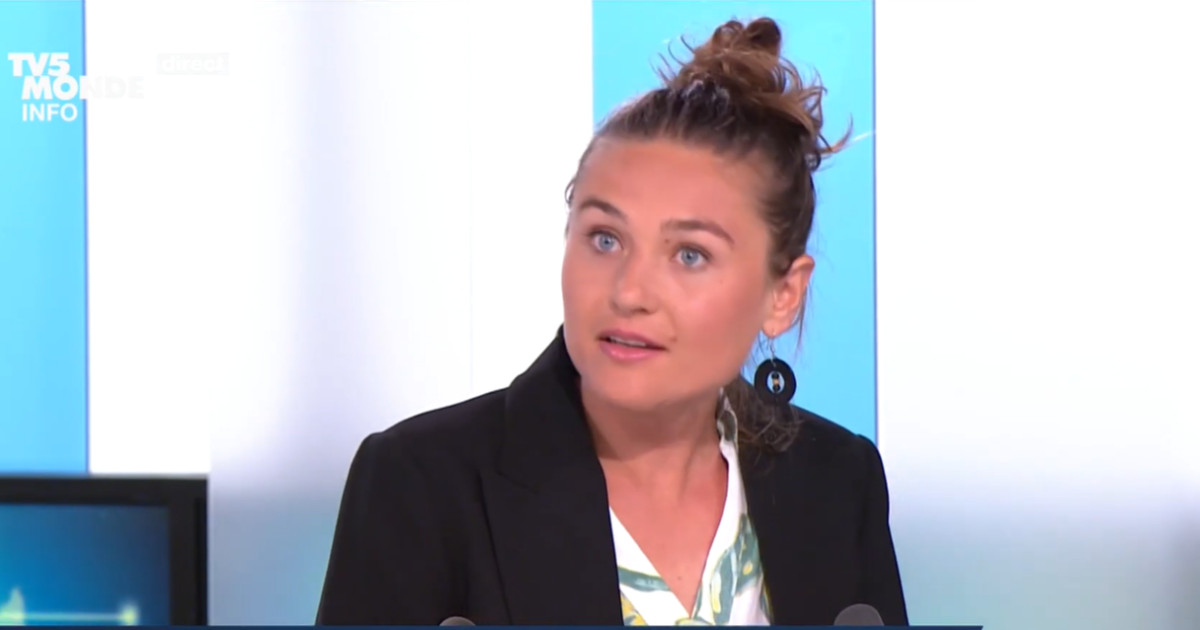
NEW DELHI—Authorities in Indian-controlled Jammu and Kashmir must immediately stop harassing journalists Masrat Zahra (pictured) and Peerzada Ashiq, and let them report freely, the Committee to Protect Journalists said on Tuesday.
On Monday, police in Srinagar summoned and questioned Ashiq, a correspondent with daily newspaper The Hindu, over a story he published that day on tensions between Kashmiris and the police, according to a statement by the Kashmir Press Club, an elected, representative body of journalists in Kashmir.
The same day, he was asked to travel to a police station in South Kashmir, where he was further questioned about the article, according to that statement. He was released after each interrogation, he told CPJ in a phone interview.
On Tuesday, the Cyber Police in Srinagar called Zahra, a freelance photojournalist, and told her to appear at the police station tomorrow for questioning, she told CPJ in a phone interview.
The summons is related to a police investigation into Zahra’s posts on social media, where she frequently uploads images from her reporting, according to Zahra and news reports. She said she had not received a copy of a formal complaint against her.
“Masrat Zahra and Peerzada Ashiq should be free to report on events in Jammu and Kashmir without facing harassment and intimidation from local authorities,” said Aliya Iftikhar, CPJ’s senior Asia researcher, in New York. “Police should drop their investigations into both journalists, and India should reform its laws to make such capricious actions by police impossible.”
Police opened an investigation into an alleged “fake news item” published by Ashiq, in reference to a story he published yesterday about the families of two deceased militants who wanted to exhume their bodies to perform funeral rites, according to an April 20 police press release, which CPJ reviewed.
The police alleged “the news item was factually incorrect and could cause fear or alarm in the minds of the public,” according to the press release, which did not specify the exact laws which Ashiq is alleged to have violated.
Ashiq told CPJ that, during questioning, police accused him of not giving authorities the right to reply to the allegations in the article, but said he showed them screenshots of requests for comment that he had sent. Ashiq said the police have not formally filed charges against him.
Police also opened an investigation alleging that Zahra uploaded “anti-national posts” that violated Section 13 of the Unlawful Activities Prevention Act, an anti-terror law, by advocating, abetting, advising or inciting unlawful activity, and Section 505 of the Indian Penal Code by intending to incite an offense against the state, according to a police press release dated April 18, which CPJ reviewed.
If found guilty, Zahra could face a fine or imprisonment of up to seven years under the Unlawful Activities Prevention Act, and a fine and up to three years in prison under the penal code.
The police press release, which does not cite any specific posts, claims that Zahra’s photographs on her Facebook account “can provoke the public to disturb law and order” and “glorify anti-national activities and dent the image of law enforcing agencies.”
Police also cited a photograph Zahra posted to Twitter from a 2019 article she photographed for The New Humanitarian, according to news reports. In that article, Zahra photographed a Kashmiri woman whose husband was killed by Indian soldiers for his suspected militant connections.
Avi Singh, a criminal lawyer who has argued before India’s Supreme Court, told CPJ via messaging app that if arrested, the chances of bail under the Unlawful Activities Prevention Act are minimal.
“Under UAPA, bail conditions are more stringent, as the arrested almost has a burden of proving that no case exists against them,” he said.
Police arrested Indian journalist Gautam Navlakha pending an investigation for allegedly violating the act last week, as CPJ documented at the time. Kashmir Narrator journalist Aasif Sultan has been in prison since July 2018 while he is undergoing trial under the Unlawful Activities Prevention Act.
CPJ messaged Jammu and Kashmir Director General of Police Dilbag Singh for comment but did not receive any reply.—A CPJ news alert
Key Points
- Masrat Zahra and Peerzada Ashiq questioned by police in Jammu and Kashmir.
- Police investigations relate to articles and social media posts on sensitive topics.
- The Committee to Protect Journalists calls for an end to harassment of media personnel.
- Zahra faces potential charges under anti-terror laws.
- Authorities accused Ashiq of publishing a factually incorrect news item.
Relevant Topics
Ask AI: Understand this story your way
AI EnabledDig deeper, ask anything — get instant context, background, and clarity.
Disclaimer: This feature is powered by AI and is intended to help readers explore and understand news stories more easily. While we strive for accuracy, AI-generated responses may occasionally be incomplete or reflect limitations in the underlying model. This feature does not represent the editorial views of JournalismPakistan. For our full, verified reporting, please refer to the original article.