
Pakistan's media censorship widens: Renowned analyst Imtiaz Gul faces TV ban
JournalismPakistan.com | Published: 16 March 2025 | JP Special Report
Join our WhatsApp channel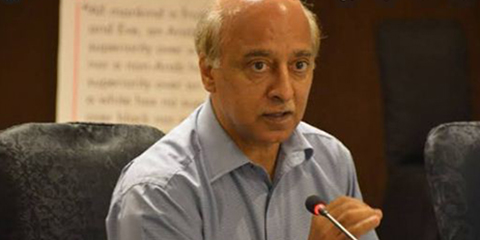
Renowned journalist Imtiaz Gul has been banned from appearing on Pakistani television. This ban highlights the growing censorship in the country's media landscape.Summary
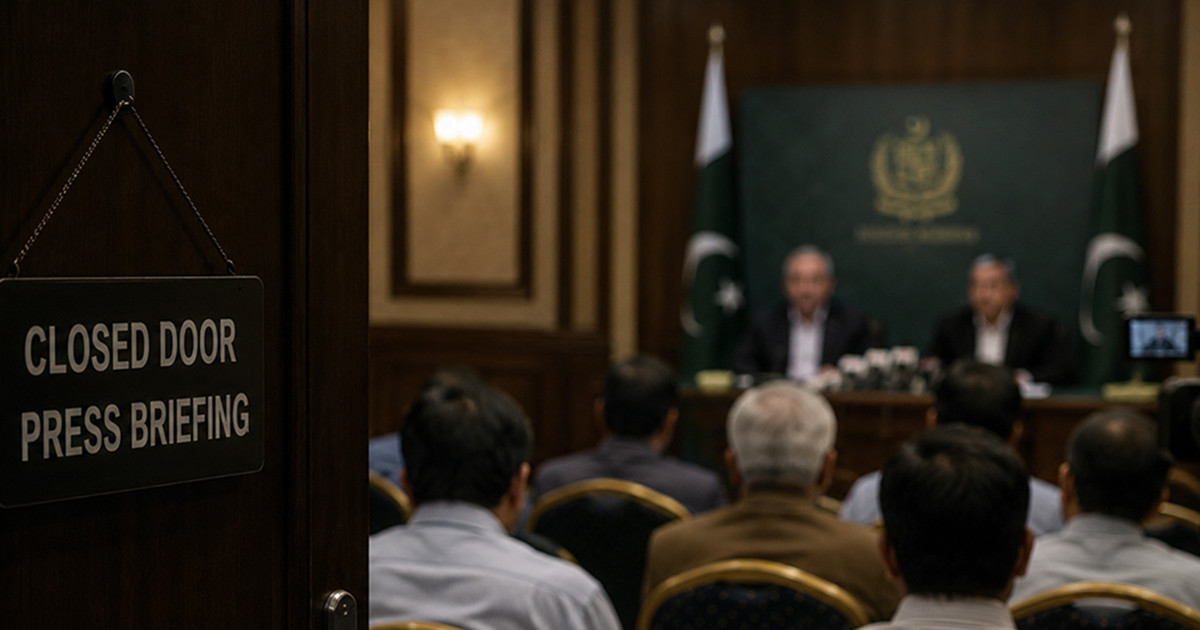
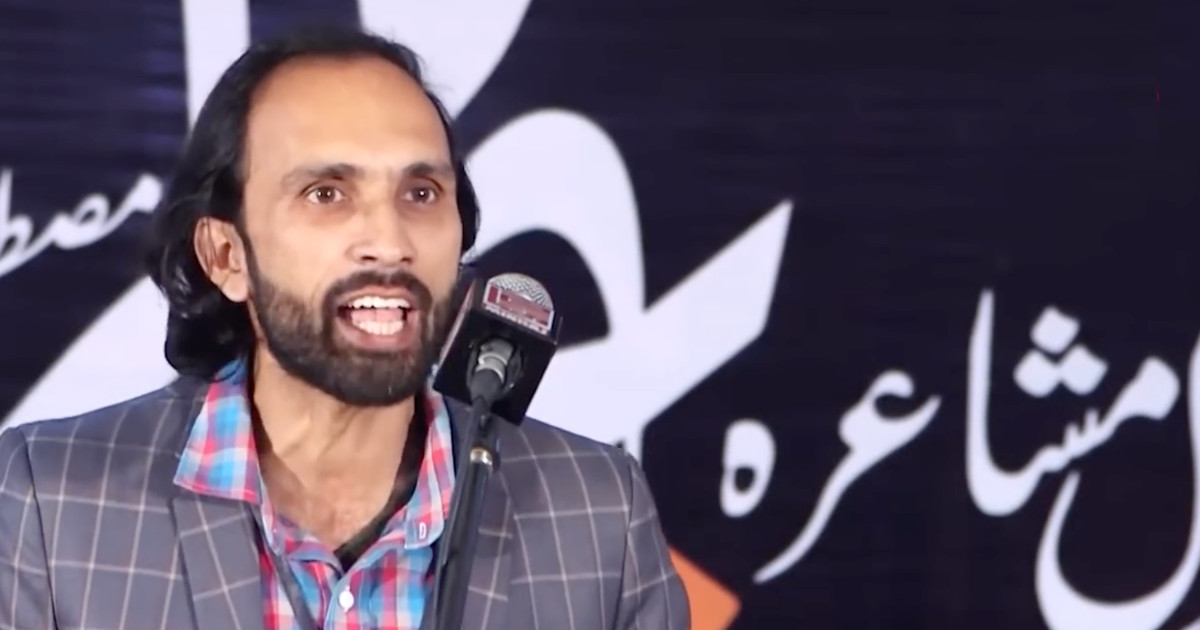
ISLAMABAD—In a troubling development for press freedom in Pakistan, respected senior journalist and analyst Imtiaz Gul has reportedly been barred from appearing on television channels nationwide. According to reliable sources, media owners and production teams have received directives prohibiting Gul's participation in broadcast programs.
The ban against Gul, known for his incisive political commentary and analysis, appears to stem from dissatisfaction with his recent on-air remarks by what many refer to as "the powers that be" - a commonly understood euphemism for powerful state institutions operating behind the scenes in Pakistan's media landscape.
"I was banned simply because I speak uncomfortable truths," Gul stated in a YouTube video. "My work has consistently aimed to expose hypocrisy at all levels. Anyone can observe how the prime minister and his cabinet ministers routinely ignore evidence and distort facts solely to defame the opposition Pakistan Tehreek-e-Insaf party."
He emphasized that systematic dishonesty and institutional hypocrisy have significantly damaged Pakistan's international standing and credibility.
"For the sake of our nation's future, do not silence those who speak truth," Gul implored. "People who genuinely care about Pakistan's welfare should not be labeled as terrorists or enemies of the state. Focus instead on addressing the real threats to our country."
The restriction on Gul marks the latest in a series of concerning moves against media personalities in the country. In recent weeks, several prominent journalists have faced similar broadcasting bans, including Kashif Abbasi of ARY News, Paras Jahanzaib and Habib Akram from Suno TV, and Khalid Jameel of ABN News.
While Gul does not maintain full-time employment with any specific news outlet, he has been a familiar face on both domestic and international television channels for his thoughtful analysis. His written commentary regularly appears in various newspapers, where he has built a reputation for offering nuanced perspectives on complex political issues.
The censorship net appears to be widening beyond journalists to include political commentators and representatives as well. Notable figures now reportedly banned from television appearances include prominent attorney Latif Khosa, Pakistan Muslim League-Nawaz (PML-N) politician Javed Latif, and Pakistan Tehreek-e-Insaf (PTI) leader Zulfi Bukhari.
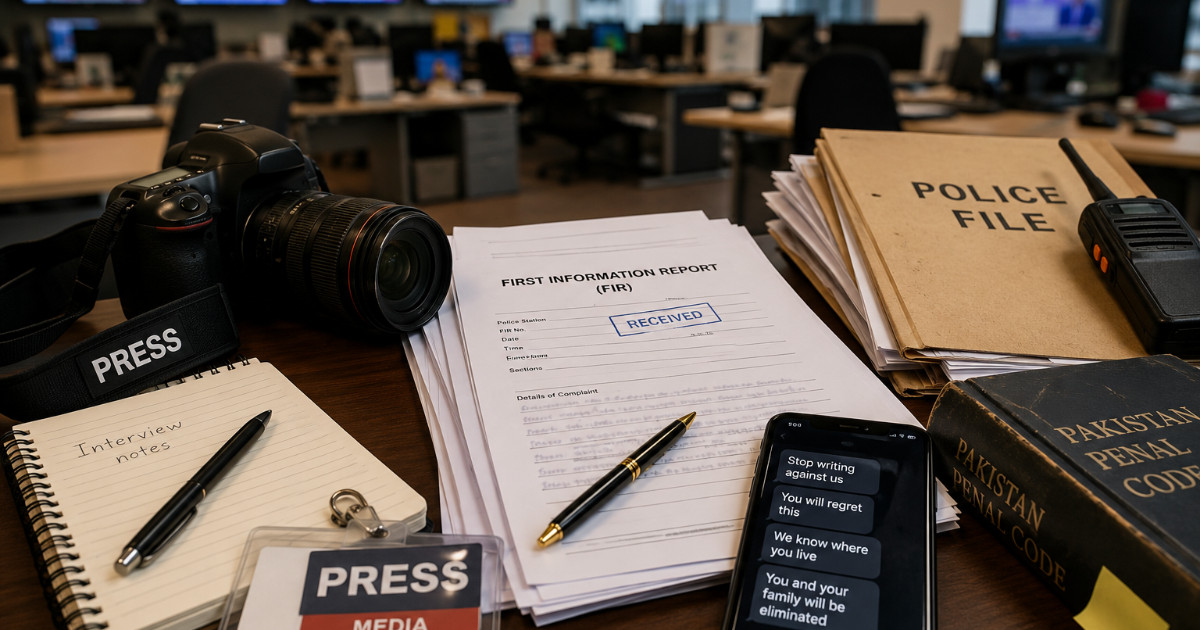
These escalating restrictions raise significant questions about the state of media independence in Pakistan, where journalists have long faced challenges ranging from subtle pressure to outright censorship. Media watchdogs have repeatedly expressed concern about the shrinking space for free expression and critical reporting.
As this pattern continues, many observers worry about the implications for democratic discourse and public access to diverse perspectives on national affairs.
پاکستان میں میڈیا سینسرشپ کا Ø¯Ø§Ø¦Ø±Û ÙˆØ³ÛŒØ¹: Ù…Ø¹Ø±ÙˆÙ ØªØ¬Ø²ÛŒÛ Ú©Ø§Ø± امتیاز Ú¯Ù„ ٹیلی ویژن پر پابندی کا نیا شکار
اسلام آباد—پاکستان میں صØاÙتی آزادی Ú©Û' Ù„ÛŒÛ' ایک تشویشناک پیش رÙت میں، قابل اØترام سینئر صØاÙÛŒ اور ØªØ¬Ø²ÛŒÛ Ú©Ø§Ø± امتیاز Ú¯Ù„ Ú©Ùˆ ملک بھر Ú©Û' ٹیلی ویژن چینلز پر آنÛ' سÛ' روک دیا گیا ÛÛ'Û" قابل اعتماد ذرائع Ú©Û' مطابق، میڈیا مالکان اور پروڈکشن ٹیموں Ú©Ùˆ Ûدایات ملی Ûیں جن میں Ú¯Ù„ Ú©ÛŒ نشریاتی پروگراموں میں شرکت پر پابندی عائد Ú©ÛŒ گئی ÛÛ'Û"
Ú¯Ù„ØŒ جو اپنÛ' Ú¯ÛرÛ' سیاسی تبصروں اور تجزیوں Ú©Û' Ù„ÛŒÛ' جانÛ' جاتÛ' Ûیں، پر ÛŒÛ Ù¾Ø§Ø¨Ù†Ø¯ÛŒ ظاÛراً ان Ú©Û' ØØ§Ù„ÛŒÛ Ø¢Ù† ایئر تبصروں سÛ' "اختیارات والوں" Ú©ÛŒ نا رضامندی سÛ' پیدا Ûوئی ÛÛ' - ÛŒÛ Ø§ÛŒÚ© عام طور پر سمجھا جانÛ' والا Ú©Ù†Ø§ÛŒÛ ÛÛ' جو پاکستان Ú©Û' میڈیا منظر نامÛ' میں پردÛ' Ú©Û' پیچھÛ' کام کرنÛ' والÛ' طاقتور ریاستی اداروں Ú©ÛŒ Ø·Ø±Ù Ø§Ø´Ø§Ø±Û Ú©Ø±ØªØ§ ÛÛ'Û"
مجھÛ' صر٠اس Ù„ÛŒÛ' بین کیا گیا Ú©ÛŒÙˆÙ†Ú©Û Ù…ÛŒÚº ناخوشگوار سچ بولتا Ûوں،" Ú¯Ù„ Ù†Û' اپنی یوٹیوب ویڈیو میں Ú©ÛاÛ" "میرا کام مستقل طور پر Ûر Ø³Ø·Ø Ù¾Ø± مناÙقت Ú©Ùˆ بÛ' نقاب کرنÛ' کا رÛا ÛÛ'Û" کوئی بھی دیکھ سکتا ÛÛ' Ú©Û ÙˆØ²ÛŒØ±Ù Ø§Ø¹Ø¸Ù… اور ان Ú©Û' Ú©Ø§Ø¨ÛŒÙ†Û ÙˆØ²Ø±Ø§Ø¡ کس Ø·Ø±Ø Ù…Ø¹Ù…ÙˆÙ„ Ú©Û' مطابق شواÛد Ú©Ùˆ نظر انداز کرتÛ' Ûیں اور صر٠اپوزیشن پاکستان تØریک انصا٠کو بدنام کرنÛ' Ú©Û' Ù„ÛŒÛ' Øقائق Ú©Ùˆ مسخ کرتÛ' ÛیںÛ""
انÛÙˆÚº Ù†Û' زور دیا Ú©Û "نظامی بÛ' ایمانی اور Ø§Ø¯Ø§Ø±Û Ø¬Ø§ØªÛŒ مناÙقت Ù†Û' پاکستان Ú©ÛŒ بین الاقوامی Øیثیت اور ساکھ Ú©Ùˆ نمایاں طور پر نقصان Ù¾Ûنچایا ÛÛ'Û""
"ÛمارÛ' ملک Ú©Û' مستقبل Ú©ÛŒ خاطر، ان لوگوں Ú©Ùˆ خاموش Ù†Û Ú©Ø±ÛŒÚº جو سچ بولتÛ' Ûیں،" Ú¯Ù„ Ù†Û' التجا Ú©ÛŒÛ" "جو لوگ واقعی پاکستان Ú©ÛŒ بÛبود Ú©ÛŒ Ùکر کرتÛ' Ûیں انÛیں دÛشت گرد یا ریاست کا دشمن قرار Ù†Ûیں دینا چاÛÛŒÛ'Û" اس Ú©Û' بجائÛ' ÛمارÛ' ملک Ú©Ùˆ درپیش اصل خطرات Ú©Ùˆ ØÙ„ کرنÛ' پر ØªÙˆØ¬Û Ø¯ÛŒÚºÛ"
ÛŒÛ Ù¾Ø§Ø¨Ù†Ø¯ÛŒ ملک میں میڈیا شخصیات Ú©Û' خلا٠تشویشناک اقدامات Ú©ÛŒ ایک ØªØ§Ø²Û ØªØ±ÛŒÙ† Ú©Ú'ÛŒ ÛÛ'Û" ØØ§Ù„ÛŒÛ ÛÙتوں میں، کئی نمایاں صØاÙیوں Ú©Ùˆ اسی Ø·Ø±Ø Ú©ÛŒ نشریاتی پابندیوں کا سامنا کرنا Ù¾Ú'ا ÛÛ'ØŒ جن میں اÛ' آر وائی نیوز Ú©Û' کاش٠عباسی، سنو Ù¹ÛŒ ÙˆÛŒ Ú©Û' پارس جÛانزیب اور Øبیب اکرم، اور اÛ' بی این نیوز Ú©Û' خالد جمیل سمیت دیگر شامل ÛیںÛ"
Ú¯Ù„ کسی بھی خاص نیوز آؤٹ لیٹ Ú©Û' ساتھ مکمل یا وقتی ملازمت Ù†Ûیں رکھتÛ'ØŒ لیکن ÙˆÛ Ø§Ù¾Ù†Û' سوچ بھرÛ' تجزیوں Ú©Û' Ù„ÛŒÛ' گھریلو اور بین الاقوامی ٹیلی ویژن چینلز پر ایک جانا Ù¾Ûچانا Ú†ÛØ±Û Ø±ÛÛ' ÛیںÛ" ان Ú©Û' تØریری تبصرÛ' باقاعدگی سÛ' مختل٠اخبارات میں شائع ÛوتÛ' Ûیں، جÛاں انÛÙˆÚº Ù†Û' Ù¾ÛŒÚ†ÛŒØ¯Û Ø³ÛŒØ§Ø³ÛŒ مسائل پر متوازن نظریات پیش کرنÛ' Ú©ÛŒ ساکھ قائم Ú©ÛŒ ÛÛ'Û"
سینسرشپ کا جال صØاÙیوں سÛ' Ø¢Ú¯Û' بÚ'Ú¾ کر سیاسی ØªØ¨ØµØ±Û Ù†Ú¯Ø§Ø±ÙˆÚº اور نمائندوں تک پھیلتا Ûوا نظر آتا ÛÛ'Û" ٹیلی ویژن پر ظاÛر ÛونÛ' سÛ' پابندی عائد Ú©ÛŒ گئی نمایاں شخصیات میں معرو٠وکیل لطی٠کھوسÛØŒ پاکستان مسلم لیگ (Ù†) Ú©Û' سیاستدان جاوید لطیÙØŒ اور پاکستان تØریک انصا٠(Ù¾ÛŒ Ù¹ÛŒ آئی) Ú©Û' رÛنما زلÙÛŒ بخاری شامل ÛیںÛ"
ÛŒÛ Ø¨Ú'ھتی Ûوئی پابندیاں پاکستان میں میڈیا Ú©ÛŒ آزادی Ú©ÛŒ صورتØال Ú©Û' بارÛ' میں اÛÙ… سوالات اٹھاتی Ûیں، جÛاں صØاÙیوں Ú©Ùˆ طویل عرصÛ' سÛ' ÛÙ„Ú©Û' دباؤ سÛ' Ù„Û' کر Ú©Ú¾Ù„ÛŒ سینسرشپ تک Ú©Û' چیلنجوں کا سامنا کرنا Ù¾Ú'تا ÛÛ'Û" میڈیا واچ ڈاگز Ù†Û' ملک میں Ø¢Ø²Ø§Ø¯Ø§Ù†Û Ø§Ø¸Ûار اور تنقیدی رپورٹنگ Ú©Û' Ù„ÛŒÛ' سکÚ'تی Ø¬Ú¯Û Ù¾Ø± بار بار تشویش کا اظÛار کیا ÛÛ'Û"
جیسÛ' جیسÛ' ÛŒÛ Ø±Ø¬Øان جاری ÛÛ'ØŒ بÛت سÛ' مبصرین جمÛوری Ú¯Ùتگو اور قومی معاملات پر متنوع نظریات تک عوام Ú©ÛŒ رسائی Ú©Û' Ù„ÛŒÛ' اس Ú©Û' مضمرات پر Ùکر مند ÛیںÛ"
Key Points
- Imtiaz Gul faces a nationwide TV ban due to his political commentary.
- The ban reflects increasing media censorship in Pakistan.
- Several other journalists have experienced similar restrictions recently.
- Gul criticized the government's tactics in stifling dissenting voices.
- Media watchdogs are concerned about the implications for free expression in Pakistan.
Relevant Topics
Ask AI: Understand this story your way
AI EnabledDig deeper, ask anything — get instant context, background, and clarity.
Disclaimer: This feature is powered by AI and is intended to help readers explore and understand news stories more easily. While we strive for accuracy, AI-generated responses may occasionally be incomplete or reflect limitations in the underlying model. This feature does not represent the editorial views of JournalismPakistan. For our full, verified reporting, please refer to the original article.