
Journalist in Japan dies of overwork
JournalismPakistan.com | Published: 13 October 2017
Join our WhatsApp channel
Miwa Sado, a 31-year-old NHK reporter, died from karoushi, highlighting severe issues in Japan's journalist work conditions. The incident has sparked demands for labor reforms.Summary
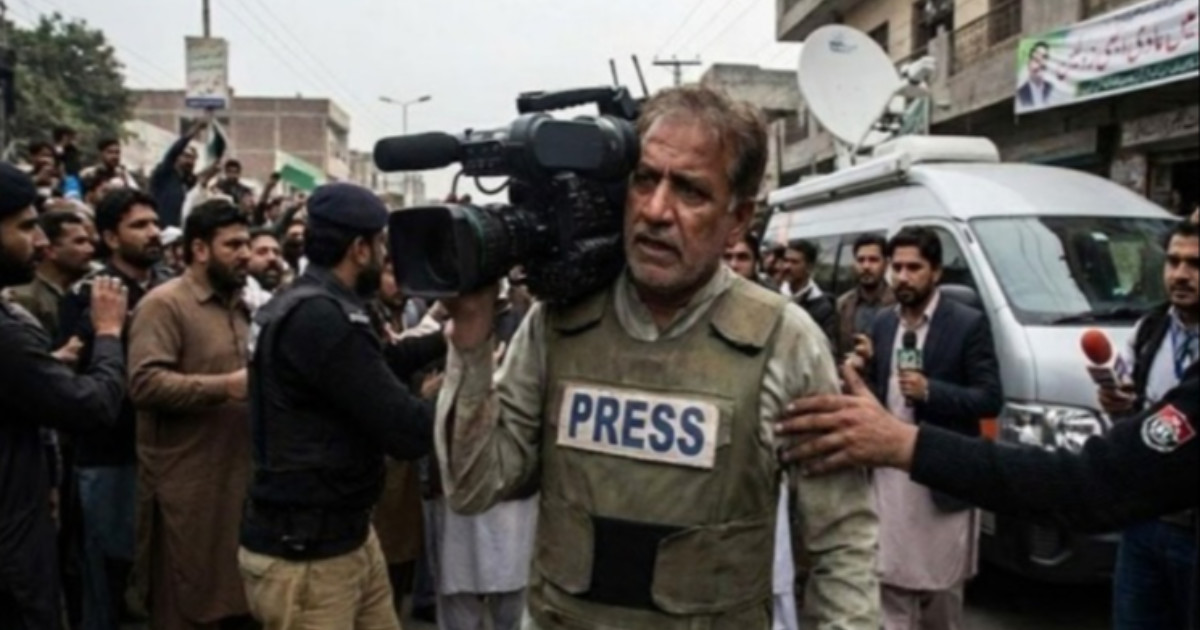
The International Federation of Journalists (IFJ) joins its affiliate, the Japan Broadcasting Labor Union (NIPPORO) in calling for a change in the working conditions of journalists in Japan, after the Labor Standards Supervision Office ruled Miwa Sado died from overwork. The IFJ and NIPPORO call for changes to labor laws to regulate work hours.
On October 4, the Labor Standards Supervision Office ruled that Miwa Sado, a 31-year-old reporter with NHK, Japan’s public broadcaster, died from karoushi – a Japanese term for dying from overwork.
In the two months prior to her death, she has clocked 146 and 159 hours of overtime, working until midnight nearly every night covering the Metropolitan Assembly Election and Upper House Election in Tokyo.
Miwa died of congestive heart failure, three days after the second election. Karoushi is a phenomenon in Japan that sees most workers, clocking more than 80 hours of overtime a month. The Labor Standards Supervision Office said the Miwa’s death was a direct result of her work life.
In a statement to Asahi Shimbun, the Office said: “She was under circumstances that she could not secure enough days off due to responsibilities that required her to stay up very late.
It can be inferred that she was in a state of accumulated fatigue and chronic sleep deprivation.” NHK has received widespread criticism for failing to disclose Miwa Sado’s death to employees. NHK said it withheld the information, to support the bereaved family.
Following Miwa’s death, NIPPORO has worked with NHK to improve working conditions, particularly through controlling the number of overtime hours worked. NIPPORO President Masatoshi Nakamura said: “It is very difficult to grasp working hours of reporters as they work outside of their offices. However, we established a new system to track the hours more accurately.
During discussions among union members and colleagues, they expressed their personal inner feelings. We take to our hearts the bereavement of the family members and will work towards the betterment of working conditions of reporters.” The IFJ said: “The government of Japan and employers need to take immediate steps to end the culture of karoushi.
Employers and management should ensure that all staff have adequate time between shifts and are not working too many days in a row. We welcome the work by NIPPORO to improve working conditions at NHK, and call for the improvements to be employed across the industry.” – IFJ media release
Key Points
- Miwa Sado died from congestive heart failure linked to extreme overtime.
- Her death was ruled karoushi, a term for death due to overwork in Japan.
- NIPPORO and IFJ are advocating for better working conditions for journalists.
- NHK faced criticism for not disclosing Sado's death to employees.
- A new system to monitor working hours has been established to prevent future incidents.
Relevant Topics
Ask AI: Understand this story your way
AI EnabledDig deeper, ask anything — get instant context, background, and clarity.
Disclaimer: This feature is powered by AI and is intended to help readers explore and understand news stories more easily. While we strive for accuracy, AI-generated responses may occasionally be incomplete or reflect limitations in the underlying model. This feature does not represent the editorial views of JournalismPakistan. For our full, verified reporting, please refer to the original article.