
Virulent trolling of Indian editor after tweet
JournalismPakistan.com | Published: 8 August 2017
Join our WhatsApp channel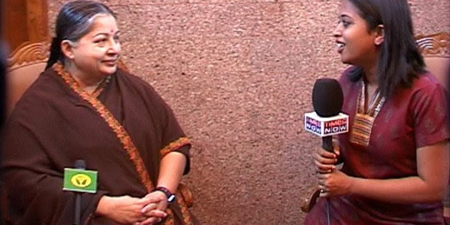
Dhanya Rajendran faced extensive online trolling after criticizing a film in a tweet. The International Federation of Journalists condemned the harassment and called for action.Summary
The International Federation of Journalists (IFJ) had condemned the online harassment and sexist abuse of an Indian editor for her tweet about a movie.
The IFJ demanded immediate action from the authorities against those involved in trolling and abusing the journalist.
Dhanya Rajendran, a senior journalist, and editor-in-chief of digital news platform The News Minute was mentioned more than 30,000 times on Twitter abusing her for her tweet about a newly released movie.
It all began on August 4 after she tweeted: “I had watched Vijay’s ‘Sura’ till interval and walked out. #WhenHarryMet Sejal has made me break that record. Could not sit till interval.”
Fans of actor Vijay, who starred in ‘Sura’, released about six years ago, trolled Rajendran, wrote abusive tweets and created a #PublicityBeepDhanya hashtag that at one point was trending in India before Twitter India banned following Rajendran’s complaint.
Rajendran told The Quint: “The trolling lasted for three days and is going on. Almost every abuse in Tamil was used, but almost all of those abuses were sexually colored. I have been called ‘prostitute’ and many other things. I have been asked to upload my nude videos and whether I am giving blowjobs to those supporting me.” Even though Rajendran deleted the tweet within the hour, not wishing to engage with trolls, the abuse was unrelenting and appeared to be organized. The actor has maintained silence throughout.
The journalist told The Indian Express: “There was one guy who was the creepiest who tweeted my picture saying it is evident from my face that I have slept around a lot. I had put out a tweet asking people to report the tweet. I am sure at least 200 people would have reported it but the guy is still on Twitter because Twitter does not understand Tamil.”
Rajendran said she has reached the police who have asked for screenshots and an official complaint in order to file a case. Dhanya Rajendran is no stranger to online abuse and spoke out during the recent IFJ ByteBack Campaign against online harassment of women journalists.
The IFJ said: “The IFJ is seriously concerned by the online abuse of journalist Dhanya Rajendran in India for her opinion in a tweet. The growing trend of intolerance of diverse opinions especially that of women journalists silences critical voices and curbs healthy and open debate. It is also saddened by Twitter’s lack of prompt response to tweets in vernacular languages. The IFJ urges the Indian government to take action against those involved in trolling Rajendran, and Twitter to implement effective zero-tolerance policy and action against such acts.” – IFJ media release/Image: The News Minute
Key Points
- Dhanya Rajendran received over 30,000 abusive tweets after her film tweet.
- The trolling included severe sexist abuse, leading to trending hashtags.
- Rajendran has reached out to authorities for action against the abusers.
- The IFJ highlighted the growing intolerance towards diverse opinions of women journalists.
- Twitter's response to the abuse has been criticized, particularly in vernacular languages.
Relevant Topics
Ask AI: Understand this story your way
AI EnabledDig deeper, ask anything — get instant context, background, and clarity.
Disclaimer: This feature is powered by AI and is intended to help readers explore and understand news stories more easily. While we strive for accuracy, AI-generated responses may occasionally be incomplete or reflect limitations in the underlying model. This feature does not represent the editorial views of JournalismPakistan. For our full, verified reporting, please refer to the original article.