.png)
Trump's attacks on the credibility of the press are dangerously effective
JournalismPakistan.com | Published: 16 April 2020
Join our WhatsApp channel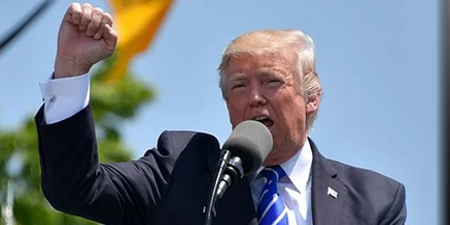
A recent report from the Committee to Protect Journalists discusses the Trump administration's attacks on media credibility. It highlights the impact these tactics have on public trust and press freedom worldwide.Summary
NEW YORK—Of the many ways in which the Trump administration has attacked the press, its most effective and dangerous ploy has been to try to destroy the media's credibility, undermining truth and consensus even as a pandemic threatens to kill tens of thousands of Americans, the Committee to Protect Journalists finds in a report released on Thursday.
The report, "The Trump Administration and the Media," examines stepped-up prosecutions of news sources, interference in the financial independence of some media owners, and the harassment of journalists, particularly at U.S. borders. It shows how the White House's approach has emboldened authoritarian leaders to silence the press in their own countries.
Leonard Downie, Jr., the Weil Family Professor of Journalism at Arizona State University's Walter Cronkite School of Journalism and Mass Communication and former Washington Post executive editor, authored the report, with research from Stephanie Sugars, a reporter for the U.S. Press Freedom Tracker. It includes interviews with over 40 journalists, media law experts, academics, and administration officials.
Downie also authored CPJ's 2013 report on the Obama administration. "Journalists in the U.S. have been largely undeterred by the daily barrage of pressure, insults, and abuse emanating from President Trump," said Joel Simon, CPJ executive director. "But the president's attacks on the media have had an impact.
They have undermined public trust in journalism as an institution, a dangerous place to find ourselves in the midst of a public health emergency.
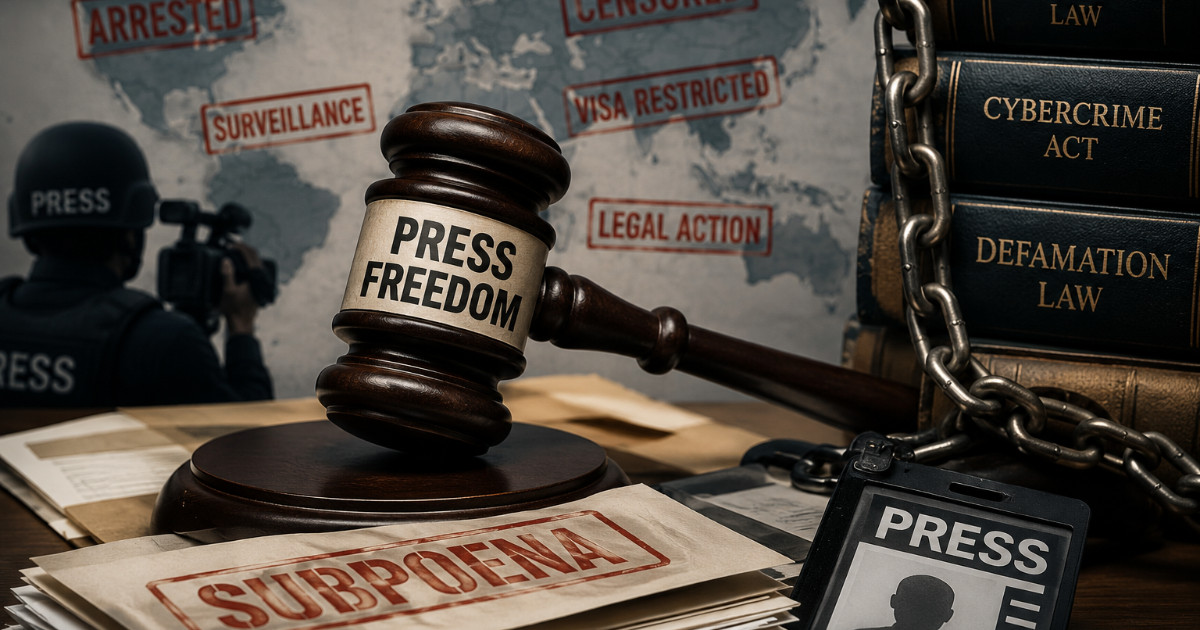
And they have empowered autocrats around the world who are cracking down on press freedom with unbridled ferocity at a time when truthful information is more than ever a precious commodity." CPJ's report finds that the flow of information is chilled by the president's threats of legal retaliation and boycotts for critical coverage, as well as by the aggressive prosecution of alleged leakers of sensitive information to the media.
The administration has indicted eight government employees and contractors for alleged leaks, plus Julian Assange, whose case has alarming ramifications for the news industry.
The report includes a set of recommendations for the administration, including standing up publicly for press freedom, refraining from actions discrediting the media, improving information accessibility, and ending the practice of bringing espionage charges against those accused of leaking sensitive information to journalists.
CPJ today sent a letter to the White House with a copy of the report, recommendations, and a request for a meeting.—A CPJ press release
Key Points
- Trump's administration undermines media credibility.
- Report details legal threats against journalists.
- Press freedom is increasingly threatened globally.
- Public trust in journalism has been eroded.
- CPJ recommends actions for improving press relations.
Relevant Topics
Ask AI: Understand this story your way
AI EnabledDig deeper, ask anything — get instant context, background, and clarity.
Disclaimer: This feature is powered by AI and is intended to help readers explore and understand news stories more easily. While we strive for accuracy, AI-generated responses may occasionally be incomplete or reflect limitations in the underlying model. This feature does not represent the editorial views of JournalismPakistan. For our full, verified reporting, please refer to the original article.