
Newspapers as Ibne Insha saw them
JournalismPakistan.com | Published: 5 August 2012 | Daud Malik
Join our WhatsApp channel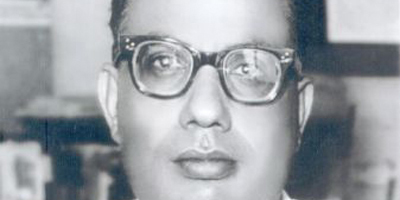
This article explores the evolving landscape of journalism in Pakistan, highlighting its issues and the role of satire through Ibne Insha's work. It critiques the media's adherence to standards and the influence of external experts.Summary
The media in Pakistan has become a cause of concern. Its spread and surge is giving headaches to everyone, including journalists themselves.
Everybody these days is offering solutions to improve the standards of journalism, with buzzwords like ‘ethics’, ‘code of conduct’, and ‘capacity-building’ flying around. Foreign experts have descended upon us with their ‘high standards’ to talk about what ails media in Pakistan.
It seems suddenly the media has unlearnt everything it practiced in the last 60 years. Now the experts are telling us there is need for building the ‘capacity’ of new ‘young entrants’ into the field of journalism, along with opportunities for ‘exposure’ (in other words workshops, seminars, roundtables etc. in five star hotels; and paid trips outside Pakistan – no harm in that).
However, it is another matter that media has seldom changed its spots - surprising and shocking us with new antics like showing conversions live, or closing down newspapers without prior notice, making many jobless in minutes.
But these are not new issues. People had always realized the power of the media and how to deal with it their own subtle and smiling ways. One of them was Ibne Insha – the incomparable satirist and poet.
Way back in 1971 Ibne Insha’s masterpiece Urdu ki Akhari Kitab – one of the finest examples of satire in Urdu – subtly poked fun at everybody – politicians, religious scholars, historians, and yes the media.
The poem – Ikhbar (newspaper) – in question-answer form lightly shows all that is wrong with media even today. Fully understanding that it’s a business venture, the poem opens on a realistic note:
?? ????? ????? ???
?? ??????? ??? ? ???? ???
?? ?? ??? ??? ???
??????? ??????? ??!
????? ?? ????? ??? ??? ????? ??
???? ?? ?????? ?????? ??? ?????? ??
?? ??? ???? ???? ??? ???? ??
?? ??? ?????? ???? ??? ???? ??
?????? ?? ??????? ??? ???? ???
?????? ?? ??????? ??? ???? ???
???? ??? ??? ???? ??
????? ??? ???? ???? ??
The newspapers have use for everyone. They are part of our lives whether we want them or not. From the publicity for the politician to becoming virtually a lifafa (not that other lifafa) for various uses, the newspapers continue to remind us of their presence:
????? ?? ??? ????? ???
????? ?? ???? ??? ?? ??????? ???? ???
???????? ?? ??????? ???? ???
???? ???? ??? ?? ??? ???????
???? ??? ?? ??? ?? ??? ???????
?????? ????? ?? ???? ?? ??? ???????
But media is risky business. If on the one hand, like the TV channels today, media promises to be the solution of all problems afflicting the people, it has to be mindful of the ‘authorities’ ‘rules’ and ‘procedures’. Media may present itself as a ‘crusader’ on a mission of finding out ‘truth’, but it has its limitations, both administrative and financial. Pakistan’s history is full of incidents where the newspapers which did not toe official policies were closed down.
?? ????? ???? ??? ??? ??
????? ?? ??? ????
???? ???? ??? ?? ?? ???? ????
?? ??????? ???? ??
??? ???? ??????
?? ?? ??????? ????? ??? ????? ??
?????? ??? ????? ??? ??? ???
????? ??? ???? ???? ???? ???
????? ??? ????? ??? ?? ???? ???
But despite all problems and risks and alive to the needs of media business, Ibne Insha wants some respectability and professionalism.
??? ??? ???? ????? ????
????? ???? ??
???? ????? ???? ?? ??
??? ????? ??????????? ?? ???
Today Pakistan’s media is far from perfect. Its lapses are alarming us and that is why we tend to come up with ‘strategies’ and ‘mitigation plans’ (that is to address issues). But sometimes instead of offering serious solutions, we may enjoy its eccentricities, just like Ibne Insha did many years ago.
(The writer is a senior journalist who has worked for The News and Dawn)
KEY POINTS:
- The media in Pakistan faces numerous challenges and criticisms.
- Ibne Insha's satire remains relevant in critiquing media practices.
- External experts emphasize the need for ethics and capacity-building in journalism.
- The media's business nature often conflicts with its role in society.
- Despite problems, there is a call for professionalism in Pakistani media.