
Lawsuit against The Atlantic fuels press freedom concerns Meera walkout puts focus on Irshad Bhatti's interview ethics One article, no newsroom: Viral piece sparks debate on Pakistan media From regulation to resignations: Pakistan's media fault lines Asia press freedom: A week of pressure and progress Five reasons slow news days strengthen journalism Press freedom review: Detentions, digital control, and industry upheaval Chilling effect in media: The unseen pressure behind newsroom decisions South Asia sees 250 media rights violations in a year Media coverage of violence against women falls sharply globally Attack on Assamese newspaper deepens press safety concerns London arrests over Iran International attack The JournalismPakistan Global Media Brief | Edition 16 | April 17, 2026 Jahanzaib Haque takes helm as Nukta chief editor Khaleej Times at 48: A legacy newspaper navigating the digital age Lawsuit against The Atlantic fuels press freedom concerns Meera walkout puts focus on Irshad Bhatti's interview ethics One article, no newsroom: Viral piece sparks debate on Pakistan media From regulation to resignations: Pakistan's media fault lines Asia press freedom: A week of pressure and progress Five reasons slow news days strengthen journalism Press freedom review: Detentions, digital control, and industry upheaval Chilling effect in media: The unseen pressure behind newsroom decisions South Asia sees 250 media rights violations in a year Media coverage of violence against women falls sharply globally Attack on Assamese newspaper deepens press safety concerns London arrests over Iran International attack The JournalismPakistan Global Media Brief | Edition 16 | April 17, 2026 Jahanzaib Haque takes helm as Nukta chief editor Khaleej Times at 48: A legacy newspaper navigating the digital age
Logo
Janu
If Veena were an editor

China shuts down journalist’s internet, cell service

 JournalismPakistan.com |  Published: 30 August 2024 |  CPJ News Alert

Join our WhatsApp channel
China shuts down journalist’s internet, cell service
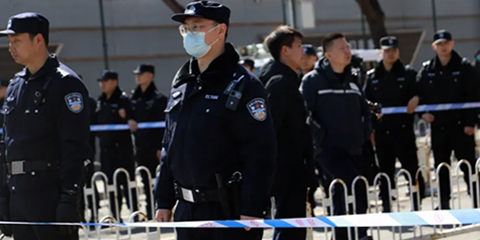
Chinese journalist Gao Yu has had her internet and phone services shut down by Beijing authorities following her critical reporting. This action highlights ongoing issues with censorship and the treatment of dissenting voices in China.

TAIPEI—Beijing authorities shut down independent journalist Gao Yu's internet, landline, and cellular connection on August 26, after she published a Sunday article analyzing an Al Jazeera interview with Victor Gao, vice president of the Chinese think tank Center for China and Globalization.

Chinese authorities must restore journalist Gao Yu's internet connection and phone services and stop harassing her with physical and digital surveillance," said Iris Hsu, CPJ's China representative. "Beijing’s excessive need to control dissent is a reflection of its cowardice and fear of critical reporting."

Authorities have asked Gao to shut down her account on the social platform X for years, she told CPJ, adding that she believes that her posts, including ones sharing her articles, are the reason for turning off her internet and phone access. Gao told CPJ that she must go to a friend's house or a restaurant to access the internet.

Beijing police also asked Gao to leave the capital from August 29 to September 9 while the Forum on China-Africa Cooperation, a state-level economic conference between African countries and China, took place. Gao said that after she refused, the police told her that they would take turns guarding her house to ensure she wouldn't leave. This is a common practice against dissidents in China.

CPJ's email requesting comment from the Ministry of Foreign Affairs and a message sent via the webpage after office hours to the Government of Beijing Municipality did not immediately receive any responses.

Authorities sentenced Gao to six years in 1994 for "leaking state secrets." She was released in 1999 on medical parole after serving part of the sentence. Gao was sentenced to seven years in 2015 on the same charge. The sentence was later reduced to five years, which Gao served outside of prison due to her deteriorating health.

Photo: Reuters

Key Points

  • Beijing shut down Gao Yu's internet and phone on August 26.
  • The action follows her article on an Al Jazeera interview.
  • Authorities have enforced physical and digital surveillance against her.
  • Gao has faced previous prison sentences for leaking state secrets.
  • She must seek alternative locations to access the internet.

Ask AI: Understand this story your way

AI Enabled

Dig deeper, ask anything — get instant context, background, and clarity.

Not sure what to choose? Try one of these.

The AI generates results based on your selected options
Your AI-generated results will appear here after you click the button.

Disclaimer: This feature is powered by AI and is intended to help readers explore and understand news stories more easily. While we strive for accuracy, AI-generated responses may occasionally be incomplete or reflect limitations in the underlying model. This feature does not represent the editorial views of JournalismPakistan. For our full, verified reporting, please refer to the original article.
Dive Deeper

Newsroom
Lawsuit against The Atlantic fuels press freedom concerns

Lawsuit against The Atlantic fuels press freedom concerns

 April 21, 2026 Kash Patel's defamation suit against The Atlantic has intensified scrutiny of legal pressures on journalists and raised concerns about press freedom.


Meera walkout puts focus on Irshad Bhatti's interview ethics

Meera walkout puts focus on Irshad Bhatti's interview ethics

 April 20, 2026 Irshad Bhatti's podcast interview with actor Meera drew criticism after he pressed personal topics and Meera walked out, sparking debate over media accountability.


One article, no newsroom: Viral piece sparks debate on Pakistan media

One article, no newsroom: Viral piece sparks debate on Pakistan media

 April 20, 2026 Dan Qayyum's viral article drew one million views in days, igniting debate about independent creators' reach and what it means for Pakistan's newsrooms.


From regulation to resignations: Pakistan's media fault lines

From regulation to resignations: Pakistan's media fault lines

 April 19, 2026 Pakistan's media faced regulatory scrutiny, leadership changes and digital consolidation, highlighting industry stress and rising international recognition.


Five reasons slow news days strengthen journalism

Five reasons slow news days strengthen journalism

 April 19, 2026 Slow news days give journalists time to verify facts, pursue in-depth reporting, and reduce errors, strengthening overall newsroom accuracy and long-form storytelling.


Popular Stories