
Watchdog warns EU leaders 'weakening' journalists after murder
JournalismPakistan.com | Published: 3 March 2018
Join our WhatsApp channel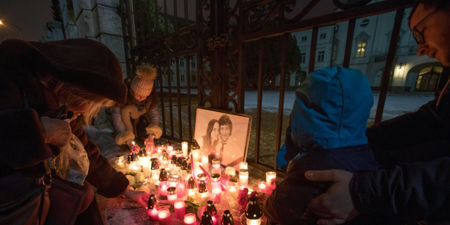
A media watchdog warns that the safety of journalists is at risk due to negative rhetoric from some EU leaders. The recent murder of investigative reporter Jan Kuciak highlights this urgent issue.Summary
A global media watchdog on Friday warned EU leaders against undermining the security of journalists in the wake of the murder of a Slovak investigative reporter gunned down in his home.
Jan Kuciak, who had been probing alleged high-level political corruption in Slovakia linked to the Italian mafia, was found shot dead alongside his fiancée Martina Kusnirova on Sunday.
His death came just months after journalist Daphne Caruana Galizia was killed in a car bombing in Malta after exposing crime and corruption on the Mediterranean island.
Investigators in both murders are probing links to organized crime syndicates, but Reporters Without Borders (RSF) said a number of EU leaders could also be endangering members of the media through public slurs.
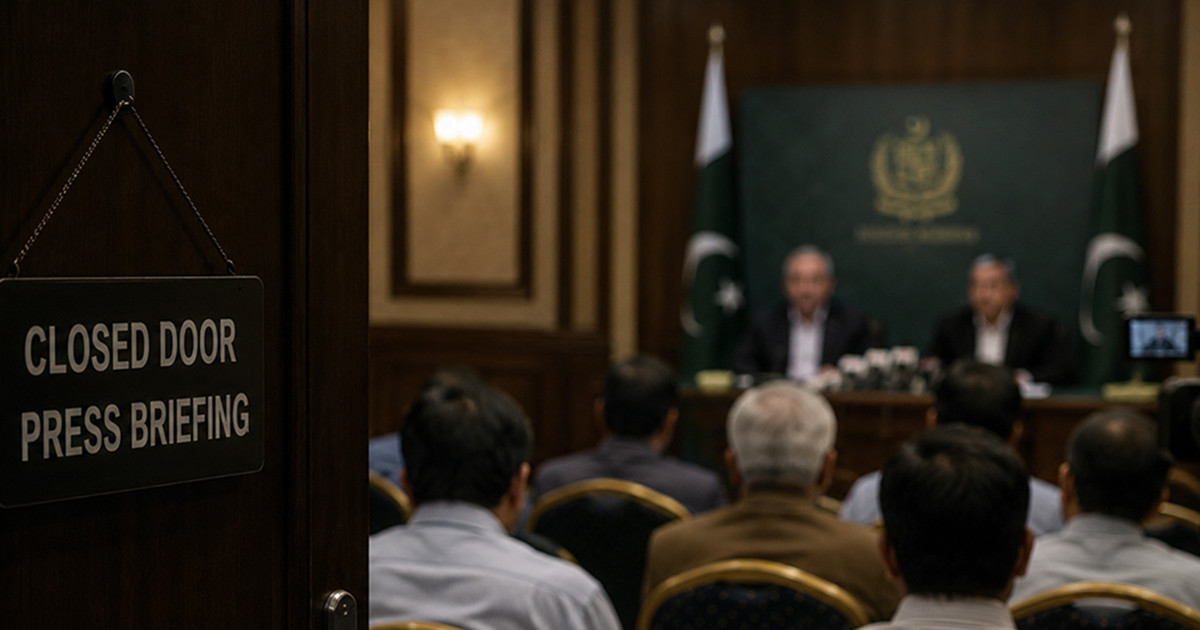
Some European politicians, including government leaders, have sustained and even created an "appalling climate for journalists", Christophe Deloire, RSF secretary-general told AFP after talks with Slovak Prime Minister Robert Fico in Bratislava.
"European leaders have a responsibility to defend journalism and not to weaken it," he added.
Deloire also said he asked Fico, a leftist who does not shy away from using populist rhetoric, to "clearly express his regrets" for having publicly insulted journalists.
"Insulting journalists, denials of the legitimacy of journalism by high-level politicians are dangerous to journalists," he added.
Fico's office later issued a statement saying that there was "no call on the PM to apologise to journalists", denying Deloire's claim.
Fico once told journalists they were "dirty, anti-Slovak whores" and used terms like "plain, silly hyenas" and "slimy snakes" to describe the media.
But in the wake of Kuciak's killing, Fico has vowed his government would "protect freedom of speech and the safety of journalists".
The RSF chief also pointed to other central European leaders like Czech President Milos Zeman and governing parties in Hungary and Poland as creating a climate of hostility towards the media that undermines the security of journalists and press freedom.
Staunchly pro-Russian, Zeman once dubbed journalists "manure" and "superficial" before telling Russian President Vladimir Putin in China last May that "journalists should be liquidated".
"The Czech president last year showed up at a press conference with a toy Kalashnikov in his hand labeled 'for journalists'," Deloire said of an incident last October.
Deloire also insisted that ruling parties in Poland and Hungary "have reduced pluralism" in public broadcasters, turning them into mouthpieces for governing politicians.
"It is the responsibility of all European countries to avoid a situation where Poland and Hungary set a bad example for the rest of Europe," he added.
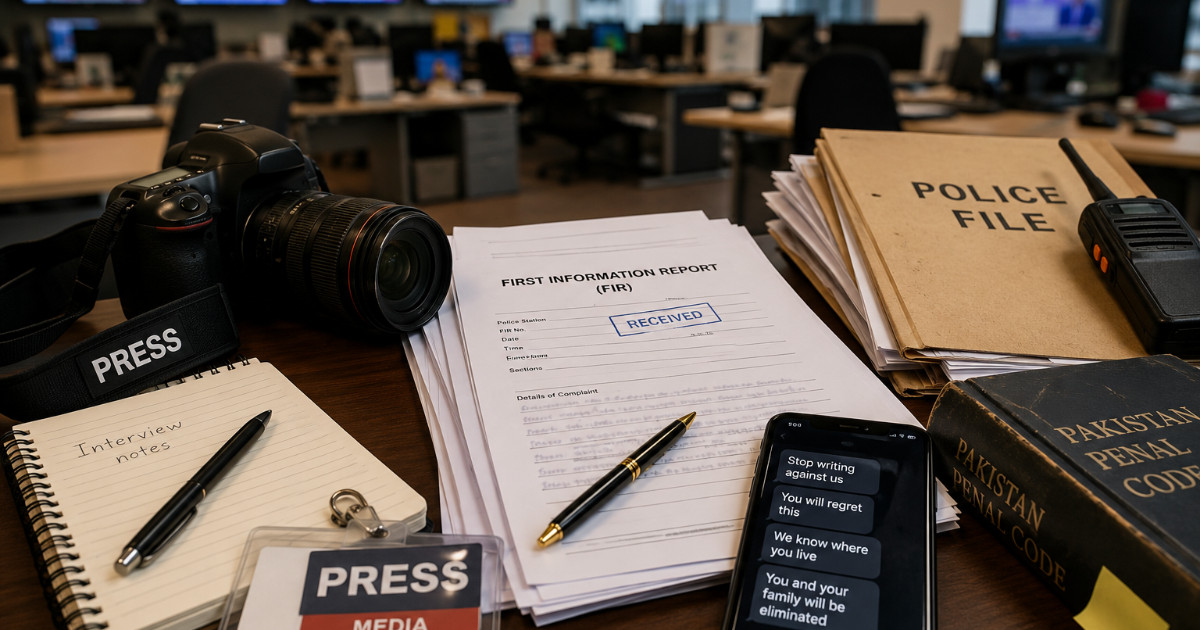
"Investigative journalists who probe corruption, tax evasion or trafficking are threatened and unfortunately there are more and more politicians, heads of government who sometimes weaken investigative journalism," he told AFP.
He added that after the murder of Galizia in Malta, "this is a new predictable murder of a journalist and we have to avoid a democratic crash in Europe."
Reporters investigating the same story as Kuciak said they have obtained police protection since his shooting. - AFP
Key Points
- Jan Kuciak was murdered while investigating political corruption in Slovakia.
- Reporters Without Borders calls for EU leaders to defend journalism.
- Some politicians have created a hostile climate for journalists.
- Fico's government promises to protect freedom of speech.
- Investigative journalists face increasing threats in Europe.
Relevant Topics
Ask AI: Understand this story your way
AI EnabledDig deeper, ask anything — get instant context, background, and clarity.
Disclaimer: This feature is powered by AI and is intended to help readers explore and understand news stories more easily. While we strive for accuracy, AI-generated responses may occasionally be incomplete or reflect limitations in the underlying model. This feature does not represent the editorial views of JournalismPakistan. For our full, verified reporting, please refer to the original article.