
Lawsuit against The Atlantic fuels press freedom concerns Meera walkout puts focus on Irshad Bhatti's interview ethics One article, no newsroom: Viral piece sparks debate on Pakistan media From regulation to resignations: Pakistan's media fault lines Asia press freedom: A week of pressure and progress Five reasons slow news days strengthen journalism Press freedom review: Detentions, digital control, and industry upheaval Chilling effect in media: The unseen pressure behind newsroom decisions South Asia sees 250 media rights violations in a year Media coverage of violence against women falls sharply globally Attack on Assamese newspaper deepens press safety concerns London arrests over Iran International attack The JournalismPakistan Global Media Brief | Edition 16 | April 17, 2026 Jahanzaib Haque takes helm as Nukta chief editor Khaleej Times at 48: A legacy newspaper navigating the digital age Lawsuit against The Atlantic fuels press freedom concerns Meera walkout puts focus on Irshad Bhatti's interview ethics One article, no newsroom: Viral piece sparks debate on Pakistan media From regulation to resignations: Pakistan's media fault lines Asia press freedom: A week of pressure and progress Five reasons slow news days strengthen journalism Press freedom review: Detentions, digital control, and industry upheaval Chilling effect in media: The unseen pressure behind newsroom decisions South Asia sees 250 media rights violations in a year Media coverage of violence against women falls sharply globally Attack on Assamese newspaper deepens press safety concerns London arrests over Iran International attack The JournalismPakistan Global Media Brief | Edition 16 | April 17, 2026 Jahanzaib Haque takes helm as Nukta chief editor Khaleej Times at 48: A legacy newspaper navigating the digital age
Logo
Janu
Unlocking the secrets of the media industry

FIH president apologizes to Pakistan, others for social media outburst

 JournalismPakistan.com |  Published: 24 June 2017

Join our WhatsApp channel
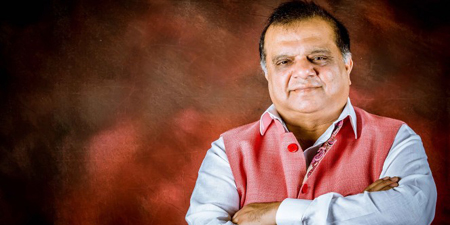
FIH president apologizes to Pakistan, others for social media outburst
FIH President Narinder Dhruv Batra has issued apologies to multiple nations, including Pakistan, for his offensive social media posts. His remarks came during a tense hockey match between India and Pakistan.

NEW DELHI - FIH President Narinder Dhruv Batra (pictured) has apologized to several nations, including Pakistan, for his social media outburst during the recent Men's Hero Hockey World League semi-final between India and Pakistan in London.

"FIH President Dr Narinder Dhruv Batra has issued personal apologies via formal letters and follow up phone calls to several nations and the FIH Executive Board in relation to posting inappropriate comments on his personal Facebook page," a FIH statement said.

Batra, who was elected as the FIH president last year, had taken to social media network to vent his emotions during the June 18th match, in which India wore black armband in protest.

The two countries have not been playing bilateral series in hockey and cricket due to the degrading political relations.

Following Indian cricket team's loss against Pakistan in the Champions Trophy final at The Oval on the same day, Batra posted some abusive remarks against Kashmiri separatist leader Mirwaiz Umar Farooq, who had congratulated the Pakistan cricket team.

The International hockey governing body was not pleased with Batra's remarks and forced the former Hockey India chief to delete his posts.

According to media reports, Batra then wrote a letter to the President of Pakistan Hockey Federation offering his apologies. - PTI/Image courtesy: hockeyindia.org

Key Points

  • Batra apologized for his comments on social media during the Men's Hockey World League match.
  • He faced backlash for his remarks regarding Kashmiri separatist Mirwaiz Umar Farooq.
  • His comments led to the deletion of his posts under FIH's pressure.
  • Batra wrote a formal letter to the Pakistan Hockey Federation to offer his apologies.
  • The two nations have been avoiding bilateral sports due to political tensions.

Ask AI: Understand this story your way

AI Enabled

Dig deeper, ask anything — get instant context, background, and clarity.

Not sure what to choose? Try one of these.

The AI generates results based on your selected options
Your AI-generated results will appear here after you click the button.

Disclaimer: This feature is powered by AI and is intended to help readers explore and understand news stories more easily. While we strive for accuracy, AI-generated responses may occasionally be incomplete or reflect limitations in the underlying model. This feature does not represent the editorial views of JournalismPakistan. For our full, verified reporting, please refer to the original article.

Dive Deeper

Newsroom
Lawsuit against The Atlantic fuels press freedom concerns

Lawsuit against The Atlantic fuels press freedom concerns

 April 21, 2026 Kash Patel's defamation suit against The Atlantic has intensified scrutiny of legal pressures on journalists and raised concerns about press freedom.


Meera walkout puts focus on Irshad Bhatti's interview ethics

Meera walkout puts focus on Irshad Bhatti's interview ethics

 April 20, 2026 Irshad Bhatti's podcast interview with actor Meera drew criticism after he pressed personal topics and Meera walked out, sparking debate over media accountability.


One article, no newsroom: Viral piece sparks debate on Pakistan media

One article, no newsroom: Viral piece sparks debate on Pakistan media

 April 20, 2026 Dan Qayyum's viral article drew one million views in days, igniting debate about independent creators' reach and what it means for Pakistan's newsrooms.


Asia press freedom: A week of pressure and progress

Asia press freedom: A week of pressure and progress

 April 19, 2026 Across Asia, journalists faced growing legal pressure, expanded surveillance and attacks on media outlets, even as a key appointment boosted gender diversity.


Five reasons slow news days strengthen journalism

Five reasons slow news days strengthen journalism

 April 19, 2026 Slow news days give journalists time to verify facts, pursue in-depth reporting, and reduce errors, strengthening overall newsroom accuracy and long-form storytelling.


Popular Stories