.png)
Taliban suspend 14 media outlets
JournalismPakistan.com | Published: 9 August 2024 | IF Media Release
Join our WhatsApp channel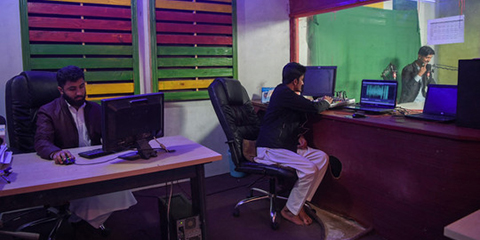
The Taliban has suspended 14 media outlets' licenses in Nangarhar due to unpaid fees. This action highlights ongoing challenges faced by Afghan media since the Taliban's takeover.Summary
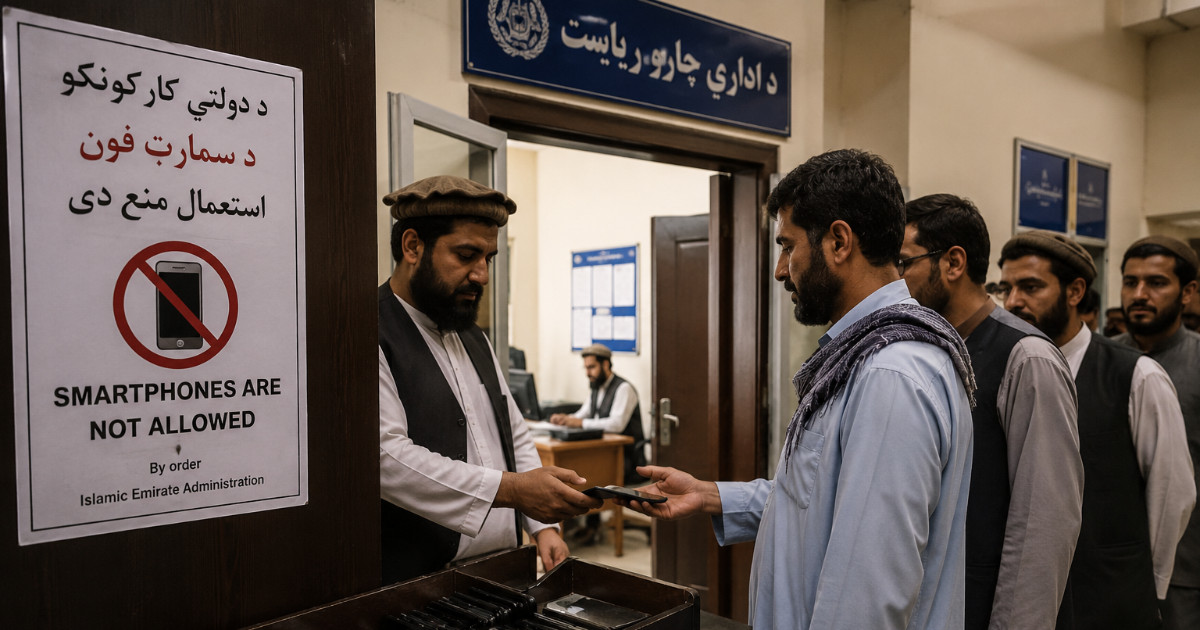
KABUL—As the third anniversary of the Taliban's takeover of Afghanistan approaches on August 15, the country's media continues to face severe challenges with the Afghan Telecom Regulatory Authority (ATRA) suspending the licenses of at least 14 media outlets in the Nangarhar province allegedly due to non-payment of license fees.
The International Federation of Journalists (IFJ) and its affiliate, the Afghan Independent Journalists Union (AIJU), condemn the continued shuttering of Afghanistan's media and demand the reinstatement of the outlets' operating licenses.
On July 22, the Afghan Telecom Regulatory Authority (ATRA) suspended at least 17 broadcast licenses of 14 media outlets in eastern Nangarhar, with the Taliban’s Ministry of Communications and Information Technology informing the outlets that their licenses were being temporarily withdrawn due to non-payment of taxes.
The 14 media organizations suspended include three television and radio outlets, Hamisha Bahar Radio and TV, Sharq, and Arzasht, as well as 11 radio networks, including The Nan, Radio Safa, Meena, Radio Dost, Mazal, Manar, Muram, Haqiqat, Hood, Spinghar and Ulfat.
The Ministry of Communications and Information Technology reportedly warned the 14 media outlets that they would not be allowed to operate until they settled their outstanding annual license fees, amounting to 108,000 Afghanis (approx. USD 1,500) per year. The media outlets in question are still operating the fee issue, according to the AIJU.
Representatives of AIJU met with officials of the suspended media outlets in Nangarhar and continue to coordinate with the media and the Taliban Ministry to find a solution. Many of the debts in question allegedly predate the rule of the Taliban since 2021, with outstanding payments under the previous government of one to ten years.
Since the Taliban's takeover, three prominent media organizations in Nangarhar, Enikas TV channel, Nargis Radio, and Eslah Radio, have been suspended. An economic crisis continues to devastate Afghan media organizations, with an overwhelming majority of media houses reporting state repression and financial challenges.
The AIJU said: "In addition to these 14 media outlets, other media outlets have not paid the frequency tax for 15 years and have not renewed their media licenses. AIJU met with the officials of the suspended media outlets in Nangarhar and is in constant contact with these media outlets in other provinces and is working with the Ministry of Information, Culture, and Telecommunications to solve this problem."
The IFJ said: "IFJ condemns the continued efforts by the Taliban to stifle press freedom and demands the reinstatement of the licenses of the 14 media outlets in Nangarhar. Attempting to shutter outlets under the pretext of non-payment of license fees is of great concern, and the IFJ is investigating why the Taliban remains operating on a licensing system that predates its power."
Key Points
- 14 media outlets in Nangarhar suspended for non-payment of fees.
- International organizations condemn the suspension and demand reinstatement.
- Economic crisis worsening for Afghan media, with many facing financial challenges.
- Outstanding debts for some media outlets date back to the previous government.
- The Taliban continues to enforce a licensing system criticized for stifling press freedom.
Relevant Topics
Ask AI: Understand this story your way
AI EnabledDig deeper, ask anything — get instant context, background, and clarity.
Disclaimer: This feature is powered by AI and is intended to help readers explore and understand news stories more easily. While we strive for accuracy, AI-generated responses may occasionally be incomplete or reflect limitations in the underlying model. This feature does not represent the editorial views of JournalismPakistan. For our full, verified reporting, please refer to the original article.