
Lawsuit against The Atlantic fuels press freedom concerns Meera walkout puts focus on Irshad Bhatti's interview ethics One article, no newsroom: Viral piece sparks debate on Pakistan media From regulation to resignations: Pakistan's media fault lines Asia press freedom: A week of pressure and progress Five reasons slow news days strengthen journalism Press freedom review: Detentions, digital control, and industry upheaval Chilling effect in media: The unseen pressure behind newsroom decisions South Asia sees 250 media rights violations in a year Media coverage of violence against women falls sharply globally Attack on Assamese newspaper deepens press safety concerns London arrests over Iran International attack The JournalismPakistan Global Media Brief | Edition 16 | April 17, 2026 Jahanzaib Haque takes helm as Nukta chief editor Khaleej Times at 48: A legacy newspaper navigating the digital age Lawsuit against The Atlantic fuels press freedom concerns Meera walkout puts focus on Irshad Bhatti's interview ethics One article, no newsroom: Viral piece sparks debate on Pakistan media From regulation to resignations: Pakistan's media fault lines Asia press freedom: A week of pressure and progress Five reasons slow news days strengthen journalism Press freedom review: Detentions, digital control, and industry upheaval Chilling effect in media: The unseen pressure behind newsroom decisions South Asia sees 250 media rights violations in a year Media coverage of violence against women falls sharply globally Attack on Assamese newspaper deepens press safety concerns London arrests over Iran International attack The JournalismPakistan Global Media Brief | Edition 16 | April 17, 2026 Jahanzaib Haque takes helm as Nukta chief editor Khaleej Times at 48: A legacy newspaper navigating the digital age
Logo
Janu
Cricket insights like no other

Unprecedented rise in curbs on freedom of expression: HRCP

 JournalismPakistan.com |  Published: 15 April 2019

Join our WhatsApp channel
Unprecedented rise in curbs on freedom of expression: HRCP
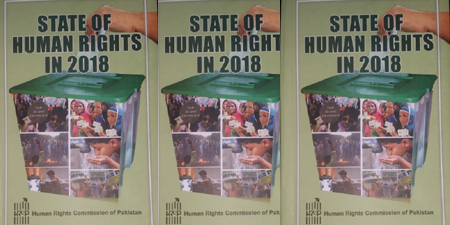
The Human Rights Commission of Pakistan's annual report reveals significant curbs on freedom of expression in 2018. It expresses deep concerns over violence against journalists and the impact of a proposed media regulatory authority.

ISLAMABAD – At the launch on Monday of its flagship annual report – State of Human Rights in 2018 – the Human Rights Commission of Pakistan pointed to an unprecedented escalation in curbs on freedom of opinion and expression in the year of general elections.

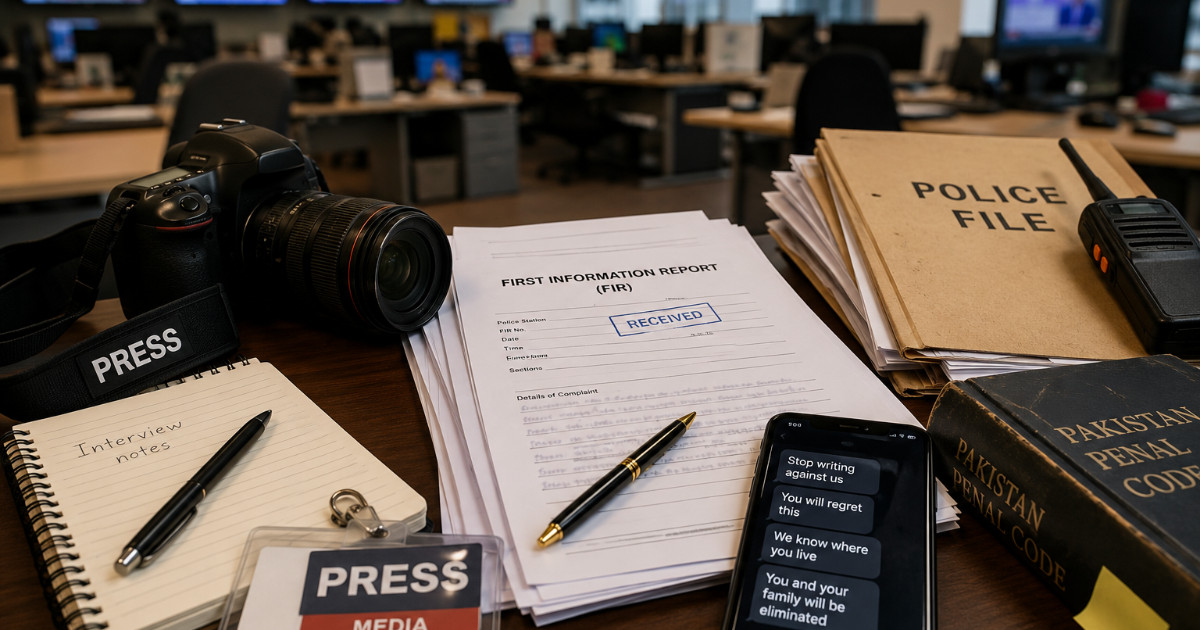
The report said that media coverage was severely inhibited and journalists intimidated into self-censorship, most specifically in reporting on abuses by government security and intelligence agencies as well as militants.

Presenting the highlights of freedom of expression section, Ghazi Salahuddin said that HRCP was quite concerned about the prevailing situation. “It is unprecedented and worse than what we saw during Zia era.”

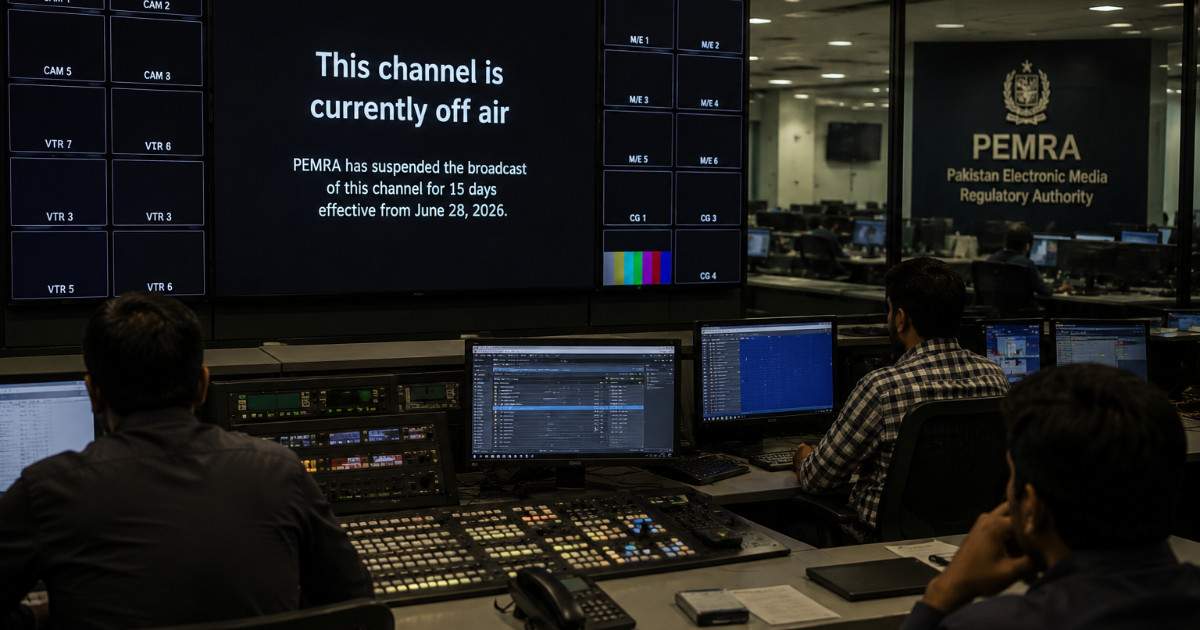
Also mentioned in the report is the government’s announced plans of forming the Pakistan Media Regulatory Authority. The media sees it as another means of restricting the freedom of the press, it said.

HRCP noted that Pakistan’s internet freedom declined in 2018, attributed to a problematic cybercrime law, internet shutdowns, and cyber-attacks against political dissenters, justified on the grounds of national security.

The report said that Freedom Network documented more than 150 violations, including verbal threats, killings, harassment, arrests, abductions, illegal confinements, and physical assaults against journalists and media groups across the country between May 2017 and April 2018.

Key Points

  • HRCP reports unprecedented restrictions on freedom of expression during electoral year.
  • Media coverage severely inhibited, leading to self-censorship among journalists.
  • Proposed Pakistan Media Regulatory Authority seen as a threat to press freedom.
  • Internet freedom declined due to cybercrime laws and attacks on dissent.
  • Over 150 violations against journalists documented between May 2017 and April 2018.

Ask AI: Understand this story your way

AI Enabled

Dig deeper, ask anything — get instant context, background, and clarity.

Not sure what to choose? Try one of these.

The AI generates results based on your selected options
Your AI-generated results will appear here after you click the button.

Disclaimer: This feature is powered by AI and is intended to help readers explore and understand news stories more easily. While we strive for accuracy, AI-generated responses may occasionally be incomplete or reflect limitations in the underlying model. This feature does not represent the editorial views of JournalismPakistan. For our full, verified reporting, please refer to the original article.

Don't Miss These

Newsroom
Lawsuit against The Atlantic fuels press freedom concerns

Lawsuit against The Atlantic fuels press freedom concerns

 April 21, 2026 Kash Patel's defamation suit against The Atlantic has intensified scrutiny of legal pressures on journalists and raised concerns about press freedom.


Meera walkout puts focus on Irshad Bhatti's interview ethics

Meera walkout puts focus on Irshad Bhatti's interview ethics

 April 20, 2026 Irshad Bhatti's podcast interview with actor Meera drew criticism after he pressed personal topics and Meera walked out, sparking debate over media accountability.


One article, no newsroom: Viral piece sparks debate on Pakistan media

One article, no newsroom: Viral piece sparks debate on Pakistan media

 April 20, 2026 Dan Qayyum's viral article drew one million views in days, igniting debate about independent creators' reach and what it means for Pakistan's newsrooms.


Asia press freedom: A week of pressure and progress

Asia press freedom: A week of pressure and progress

 April 19, 2026 Across Asia, journalists faced growing legal pressure, expanded surveillance and attacks on media outlets, even as a key appointment boosted gender diversity.


Five reasons slow news days strengthen journalism

Five reasons slow news days strengthen journalism

 April 19, 2026 Slow news days give journalists time to verify facts, pursue in-depth reporting, and reduce errors, strengthening overall newsroom accuracy and long-form storytelling.


Popular Stories