
AFP journalists in Türkiye win strike after pay dispute Why are media companies laying off journalists? Messi's farewell, Yamal's rise: Spain conquer Argentina in World Cup final Pakistan Media Monitor | Edition 4 | July 7-20, 2026 JP analysis: Legal pressure on journalists grows worldwide What is prior restraint in journalism and media law? Press freedom review: Governments tighten the screws on journalists China warns of retaliation over new US journalist visa limits Thailand urged to halt deportation of Chinese journalist Delhi HC warns press freedom is not a shield for irresponsible reporting Journalists question closed-door fuel price briefing None came before him, none will come after him: Farewell, Sir Garfield Sobers The JournalismPakistan Global Media Brief | Edition 29 | July 17, 2026 US tightens visa rules for foreign journalists Judge rejects bid to halt Paramount-Warner Bros. merger AFP journalists in Türkiye win strike after pay dispute Why are media companies laying off journalists? Messi's farewell, Yamal's rise: Spain conquer Argentina in World Cup final Pakistan Media Monitor | Edition 4 | July 7-20, 2026 JP analysis: Legal pressure on journalists grows worldwide What is prior restraint in journalism and media law? Press freedom review: Governments tighten the screws on journalists China warns of retaliation over new US journalist visa limits Thailand urged to halt deportation of Chinese journalist Delhi HC warns press freedom is not a shield for irresponsible reporting Journalists question closed-door fuel price briefing None came before him, none will come after him: Farewell, Sir Garfield Sobers The JournalismPakistan Global Media Brief | Edition 29 | July 17, 2026 US tightens visa rules for foreign journalists Judge rejects bid to halt Paramount-Warner Bros. merger
Logo
Janu
World

Facebook removes accounts linked to ISPR employees

 JournalismPakistan.com |  Published: 1 April 2019 |  Saad Sayeed

Join our WhatsApp channel

Facebook removes accounts linked to ISPR employees
Facebook removed 103 accounts connected to the Inter-Service Public Relations of the Pakistani military for coordinated inauthentic behavior. The accounts primarily targeted political narratives about Pakistan and India.

ISLAMABAD - Facebook has removed 103 pages, groups and accounts that were part of a network it said was linked to employees of the Pakistani military’s public relations arm, the social media group announced on Monday.

Facebook said it removed pages and accounts on Facebook and Instagram that spread information about Pakistani politics and political leaders, the Indian government and the Pakistani military.

“Today we removed 103 pages, Groups and accounts for engaging in coordinated inauthentic behavior on Facebook and Instagram as part of a network that originated in Pakistan,” Nathaniel Gleicher, Facebook’s head of cybersecurity, said in a statement.

“Although the people behind this activity attempted to conceal their identities, our investigation found that it was linked to employees of the ISPR (Inter-Service Public Relations) of the Pakistani military.”

ISPR did not respond to requests for comment.

Facebook’s announcement comes at a time when it has been facing increasing pressure across the world over the use of its platforms by politically aligned groups, many of which conceal their true identity.

The 24 pages, 57 accounts and seven groups removed on Facebook had more than 2.8 million followers. An additional 15 Instagram accounts were also removed.

Facebook simultaneously announced the removal of 687 pages and accounts linked to India’s main opposition Congress party which had engaged in “coordinated inauthentic behavior” on its social media platform.

“We’re taking down these pages and accounts based on their behavior, not the content they posted,” Gleicher said.

An analysis of the pages, accounts, and groups by the Atlantic Council think tank’s digital forensic lab said the tone of the pages in question strongly supported Pakistan and attacked India, consistent with ISPR’s behavior.”

The military’s spokesman has often mentioned the term “fifth generation warfare” during press conferences, referring to an unconventional battlefield that includes the dissemination and countering of information on social media.

A number of journalists and activists critical of the military on social media have been threatened and abducted in the past two years. Three men who were abducted for five weeks in 2017 told Reuters and other news outlets that they had been taken by the military’s spy wing.

“Winning the war of narratives and making the dissenting voices irrelevant in cyberspace is possibly their main aim,” Shahzad Ahmad of digital rights group Bytes for All told Reuters.

“They are organized, well-resourced groups with a sense of purpose, we call them cyber armies.”

Last week, Facebook removed a social media network in the Philippines and took the unusual step of linking it to a businessman who said he had managed the president’s online election campaign in 2016. It has taken similar actions recently against accounts in Russia and Iran. - Reuters

Key Points

  • 103 accounts removed from Facebook and Instagram
  • Linked to employees of the ISPR
  • Affected over 2.8 million followers
  • Removal is based on behavior, not content
  • Similar actions taken against accounts in India, Russia, and Iran.

Ask AI: Understand this story your way

AI Enabled

Dig deeper, ask anything — get instant context, background, and clarity.

Not sure what to choose? Try one of these.

The AI generates results based on your selected options
Your AI-generated results will appear here after you click the button.

Disclaimer: This feature is powered by AI and is intended to help readers explore and understand news stories more easily. While we strive for accuracy, AI-generated responses may occasionally be incomplete or reflect limitations in the underlying model. This feature does not represent the editorial views of JournalismPakistan. For our full, verified reporting, please refer to the original article.
Don't Miss These

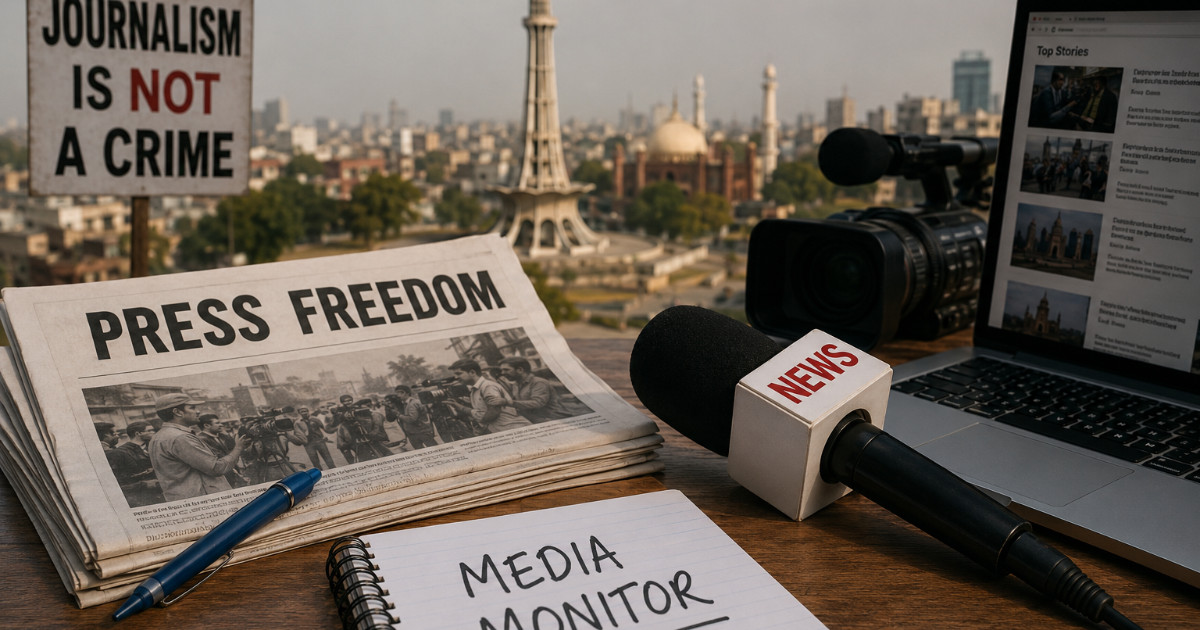
Pakistan Media Monitor | Edition 4 | July 7-20, 2026

Pakistan Media Monitor | Edition 4 | July 7-20, 2026

 July 20, 2026: During July 7-20, 2026 Pakistan's media faced legal action against journalists, expanded broadcast regulations, newsroom layoffs and surveillance concerns, revealing growing regulatory, economic and technological pressures on journalism.

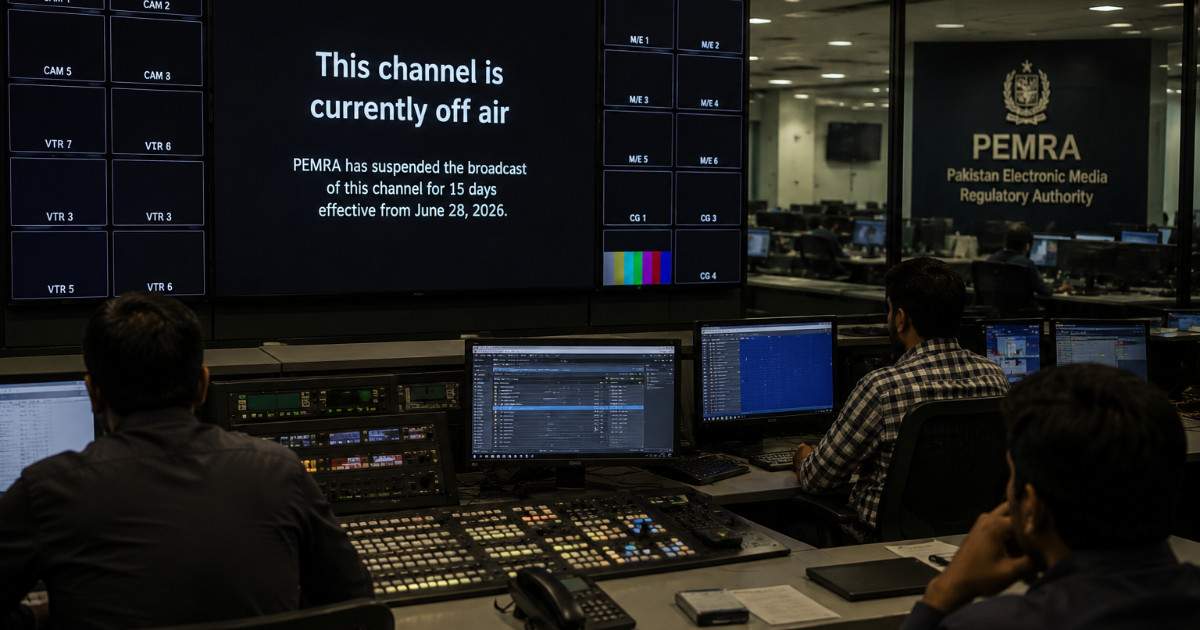
CPJ urges Pakistan to lift Geo News suspension

CPJ urges Pakistan to lift Geo News suspension

 July 02, 2026: CPJ urged Pakistan to reverse PEMRA's 15-day suspension of Geo News' broadcast license, calling it a dangerous escalation of official interference with independent media.

Newsroom
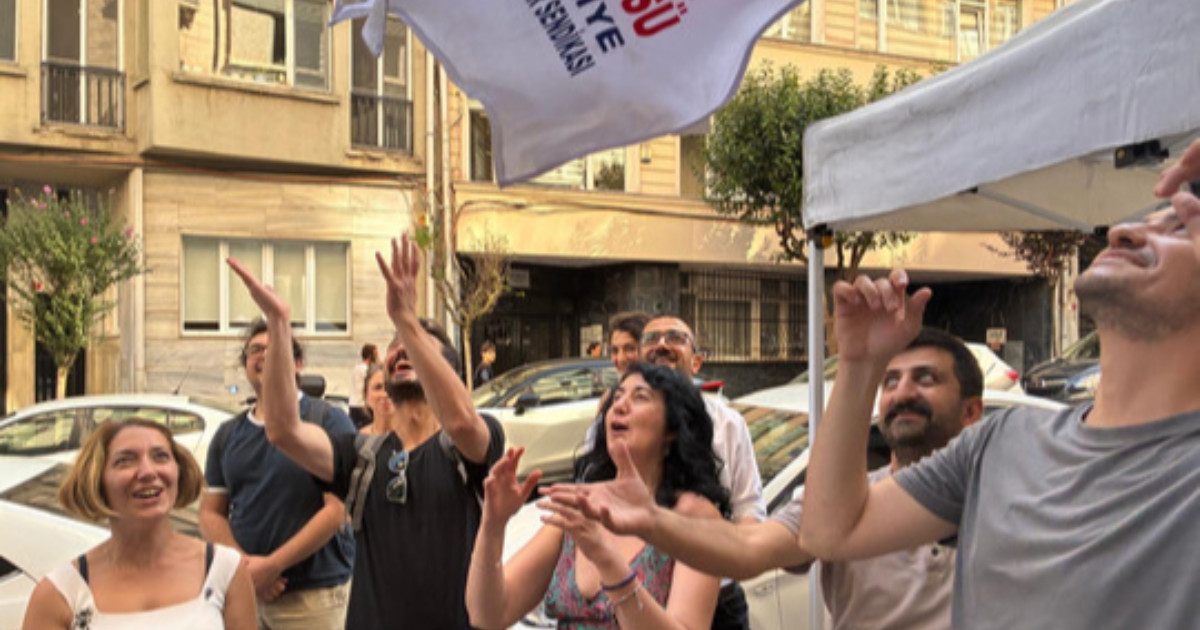
AFP journalists in Türkiye win strike after pay dispute

AFP journalists in Türkiye win strike after pay dispute

 July 21, 2026 AFP journalists in Türkiye ended a 12-day strike after securing a labor agreement with a 27% wage increase, a month's bonus, €2,500 and enhanced allowances.


Why are media companies laying off journalists?

Why are media companies laying off journalists?

 July 21, 2026 Media companies are laying off journalists as advertising income falls, audiences shift to digital platforms, costs rise, and AI plus new business models reshape newsroom economics.


Messi's farewell, Yamal's rise: Spain conquer Argentina in World Cup final

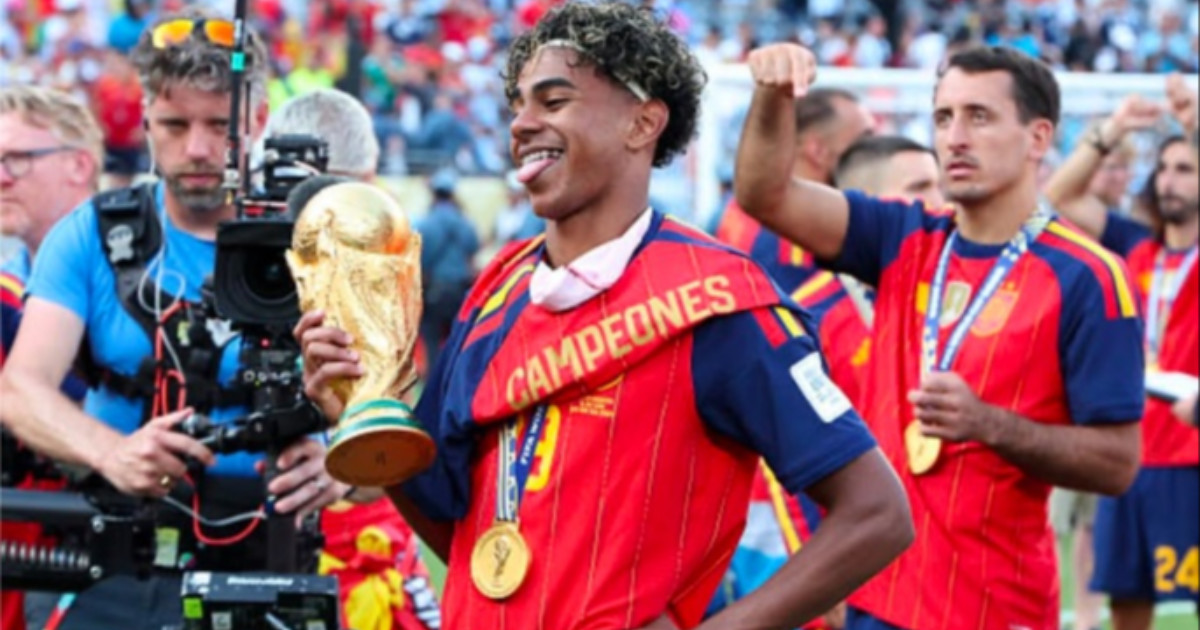
Messi's farewell, Yamal's rise: Spain conquer Argentina in World Cup final

 July 20, 2026 Spain defeated Argentina in a dramatic World Cup final as Ferran Torres' extra-time volley sealed victory, capping Messi's farewell and Yamal's rise.


JP analysis: Legal pressure on journalists grows worldwide

JP analysis: Legal pressure on journalists grows worldwide

 July 19, 2026 JournalismPakistan finds governments increasingly using courts, surveillance, visa limits and regulation instead of overt bans to pressure journalists.


What is prior restraint in journalism and media law?

What is prior restraint in journalism and media law?

 July 19, 2026 Prior restraint is government action that stops publication or broadcast before it reaches the public, creating tensions between press freedom and security.


Popular Stories