
Amar Guriro: Journalism's future is human-AI partnership The JournalismPakistan Global Media Brief | Edition 23 | June 5, 2026 As AI reshapes news, publishers seek a sustainable future Every frame at a cost: The safety crisis facing Pakistan's camerapersons Why journalists are increasingly targeted in conflict zones What the 60 Minutes controversy means for TV journalism Zee secures FIFA World Cup rights in India through 2030 How fact-checkers verify viral videos during breaking news Pentagon restrictions on reporters draw media backlash Israel-Lebanon talks proceed as conflict hinders reporting Why governments are tightening controls on foreign journalists China condemns US restrictions on Xinhua reporter Taiwan condemns China over New York Times reporter expulsion The biggest threats facing journalism in Asia today Press freedom review: The many faces of pressure on the press Amar Guriro: Journalism's future is human-AI partnership The JournalismPakistan Global Media Brief | Edition 23 | June 5, 2026 As AI reshapes news, publishers seek a sustainable future Every frame at a cost: The safety crisis facing Pakistan's camerapersons Why journalists are increasingly targeted in conflict zones What the 60 Minutes controversy means for TV journalism Zee secures FIFA World Cup rights in India through 2030 How fact-checkers verify viral videos during breaking news Pentagon restrictions on reporters draw media backlash Israel-Lebanon talks proceed as conflict hinders reporting Why governments are tightening controls on foreign journalists China condemns US restrictions on Xinhua reporter Taiwan condemns China over New York Times reporter expulsion The biggest threats facing journalism in Asia today Press freedom review: The many faces of pressure on the press
Logo
Janu
Janu Journalism

PFUJ and APNEC to observe July 16 as Black Day

 JournalismPakistan.com |  Published: 8 July 2019

Join our WhatsApp channel
PFUJ and APNEC to observe July 16 as Black Day
PFUJ and APNEC have declared July 16 as Black Day to protest against ongoing media issues in Pakistan. The decision follows extensive discussions on the challenges faced by journalists.

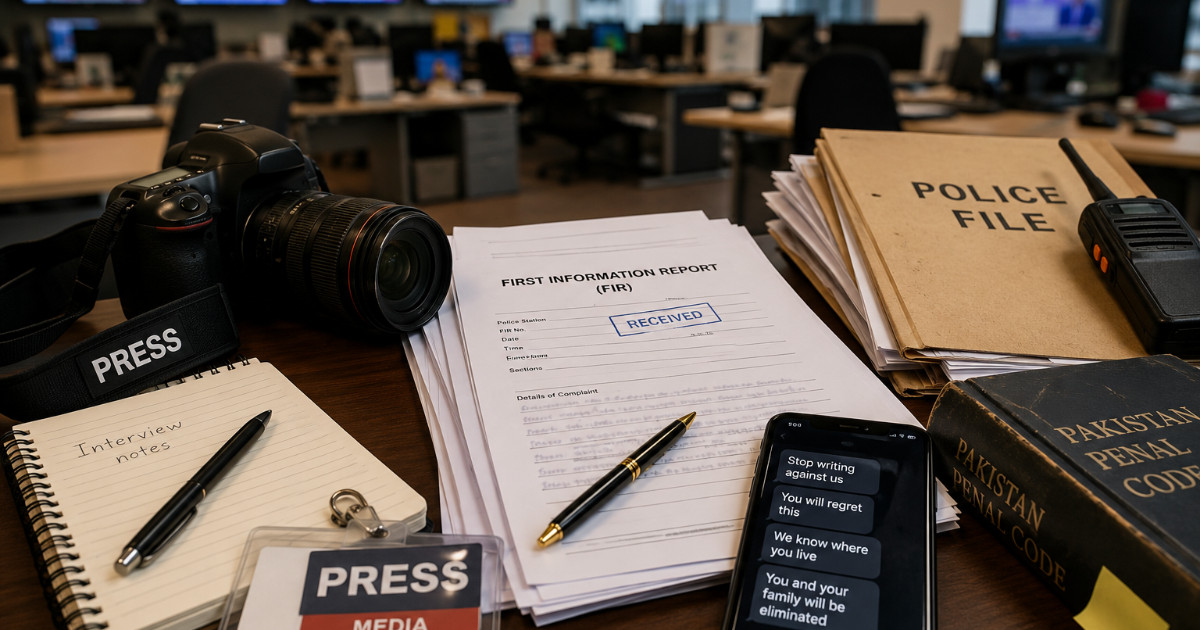
The Pakistan Federal Union of Journalists (PFUJ) and the All Pakistan Newspaper Employees Confederation (APNEC) will observe July 16 as Black Day across the country, against forced retrenchments in media, wage delays, and unannounced censorship.

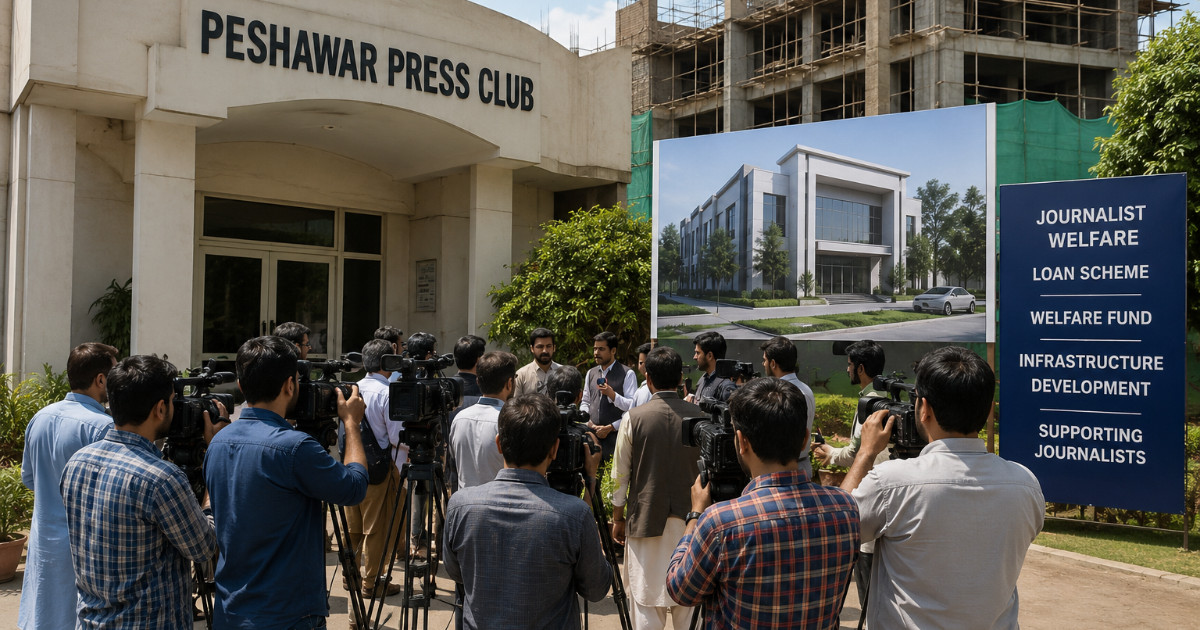
After three days of extensive deliberations on the prevailing situation in the industry, and all the issues confronting journalists, the Federal Executive Council (FEC) of PFUJ and APNEC decided to fly black flags on press clubs on July 16.

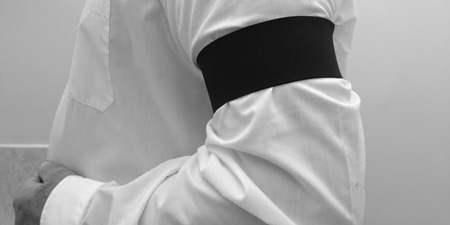
According to plan, journalists and media workers will wear black armbands as a mark of protest against the highhandedness of owners of media houses, government authorities and forced and unannounced censorship and advice imposed by unknowns hands.

The meeting also announced holding the Biannual Delegates Meeting (BDM) from November 15-17 in Karachi.

Acting Chairman of APNEC Irfan Ali, and PFUJ President Afzal Butt urged all the unions to sensitize media workers and journalists about their rights, raise voice against forced and unannounced censorship, and arrange seminars to highlight issues confronting journalists by inviting a cross-section of the society and civil society members.

At the central level, a seminar will also be organized in Islamabad, and all the stakeholders, members of civil society and political leadership of all the leading parties will be invited to share their views and devise a strategy to deal with the deteriorating media freedom in the country.

Earlier, the political leadership of PPP and PMLN also addressed the FEC meeting and demanded joint action against the prevailing situation and arm twisting of media and journalists.

Farhatullah Babar (PPP), former Prime Minister Shahid Khaqan Abbasi, and Maryam Aurangzeb, former information minister of PMLN said that current tirade had been launched by those who talk of fifth generation war, and those elements and their chain of command needed to be exposed.

Key Points

  • Black flags will be flown on press clubs on July 16.
  • Journalists will wear black armbands in protest.
  • A seminar will be held in Islamabad with civil society and political leaders.
  • The Biannual Delegates Meeting is scheduled for November 15-17 in Karachi.
  • Political leaders have called for joint actions against media oppression.

Ask AI: Understand this story your way

AI Enabled

Dig deeper, ask anything — get instant context, background, and clarity.

Not sure what to choose? Try one of these.

The AI generates results based on your selected options
Your AI-generated results will appear here after you click the button.

Disclaimer: This feature is powered by AI and is intended to help readers explore and understand news stories more easily. While we strive for accuracy, AI-generated responses may occasionally be incomplete or reflect limitations in the underlying model. This feature does not represent the editorial views of JournalismPakistan. For our full, verified reporting, please refer to the original article.
Read Next

Newsroom
Amar Guriro: Journalism's future is human-AI partnership

Amar Guriro: Journalism's future is human-AI partnership

 June 05, 2026 Amar Guriro, founder of Pakistan's first AI-powered news platform, says journalism's future rests on human-AI collaboration to improve reporting while preserving editorial oversight.


The JournalismPakistan Global Media Brief | Edition 23 | June 5, 2026

The JournalismPakistan Global Media Brief | Edition 23 | June 5, 2026

 June 05, 2026 Global Media Brief reviews pressures reshaping journalism, press freedom, AI and platform power, and reports BBC's Emmy, 60 Minutes turmoil and Taiwan's protest.


As AI reshapes news, publishers seek a sustainable future

As AI reshapes news, publishers seek a sustainable future

 June 05, 2026 At the World News Media Congress in Marseille, publishers discussed how generative AI is altering newsroom workflows, audience engagement and content licensing.


Why journalists are increasingly targeted in conflict zones

Why journalists are increasingly targeted in conflict zones

 June 04, 2026 Journalists in conflict zones face rising danger as combatants, states and militias increasingly target independent reporting to control narratives.


What the 60 Minutes controversy means for TV journalism

What the 60 Minutes controversy means for TV journalism

 June 03, 2026 The 60 Minutes controversy at CBS exposes tensions over leadership, editorial independence and pressures on legacy TV journalism amid political polarization.


Popular Stories