
DigiMAP rejects draconian attempt to muzzle media
JournalismPakistan.com | Published: 3 June 2021
Join our WhatsApp channel
DigiMAP has rejected the government's proposal to form the Pakistan Media Development Authority, seeing it as a threat to media freedoms. The association, alongside various media and civil society organizations, emphasizes the need for reforms that promote pluralism and freedom of expression.Summary
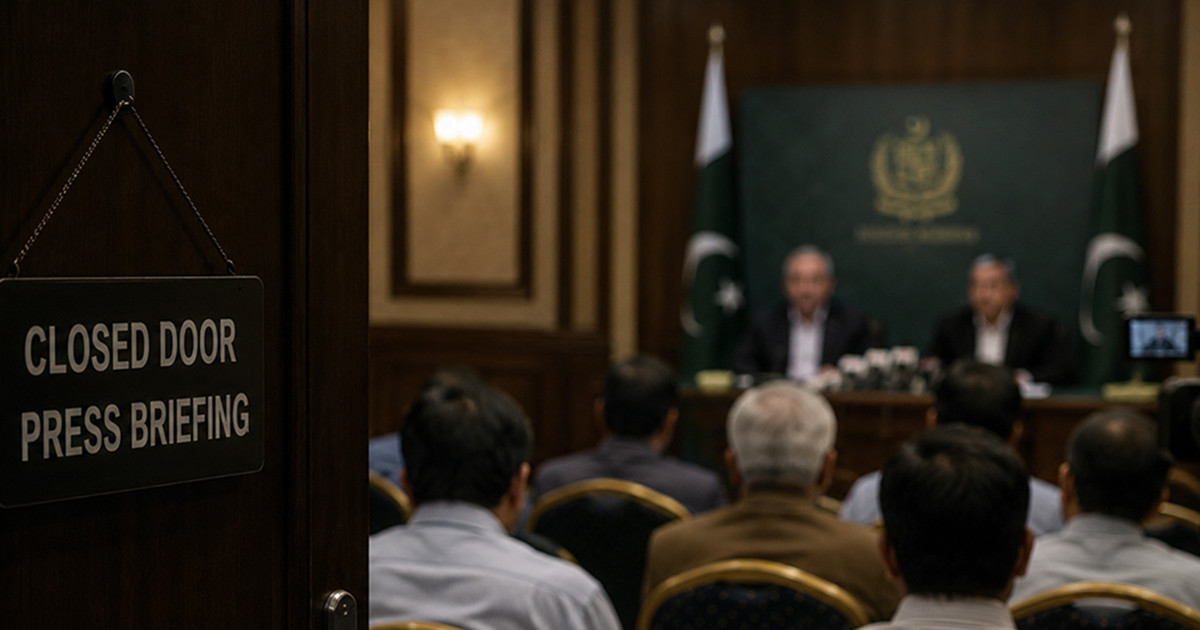
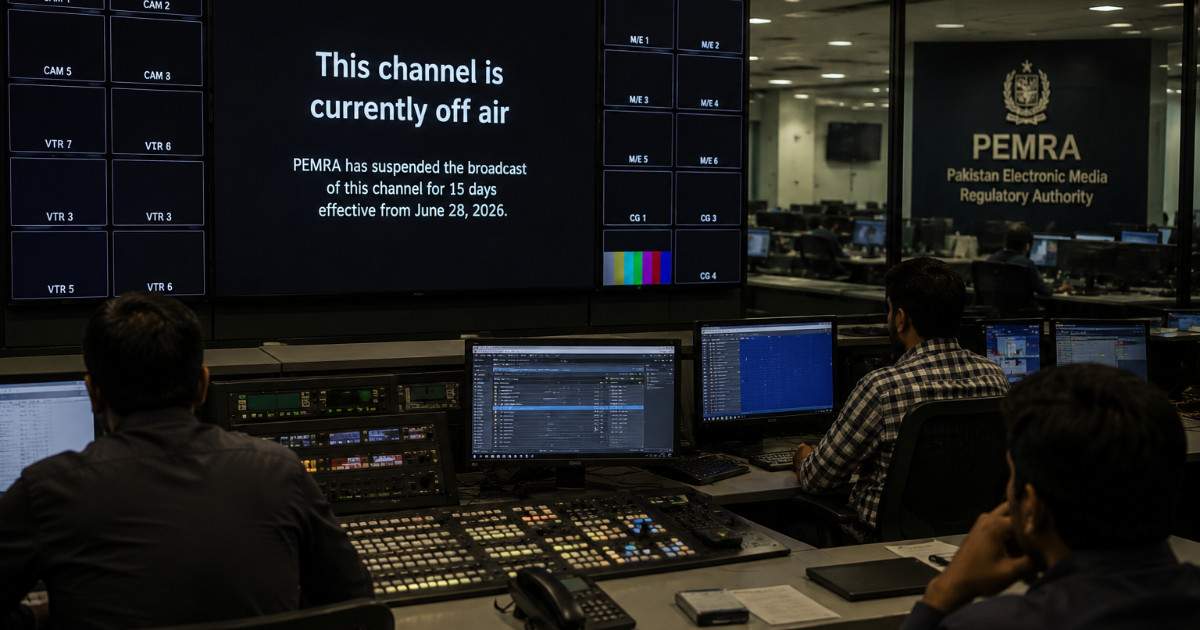
ISLAMABAD—The Digital Media Association of Pakistan (DigiMAP) has expressed deep concern at the government proposal to create a new authority to regulate the entire spectrum of the country’s media sector, including print, electronic, digital, and film.
“The proposed establishment of Pakistan Media Development Authority [PMDA] by merging all existing regulators and repealing major media-related legislation is unacceptable because this entails bulldozing existing structures and mandates for the purpose of addressing government concerns rather than reforming them from the perspective of either the media or its consumers,” DigiMAP said in a statement issued on Thursday.
DigiMAP is a Pakistan-wide association of independent digital media platforms focusing on public interest journalism aimed at promoting pluralism and bridging the information divide between the national mainstream and the periphery regions of the country.
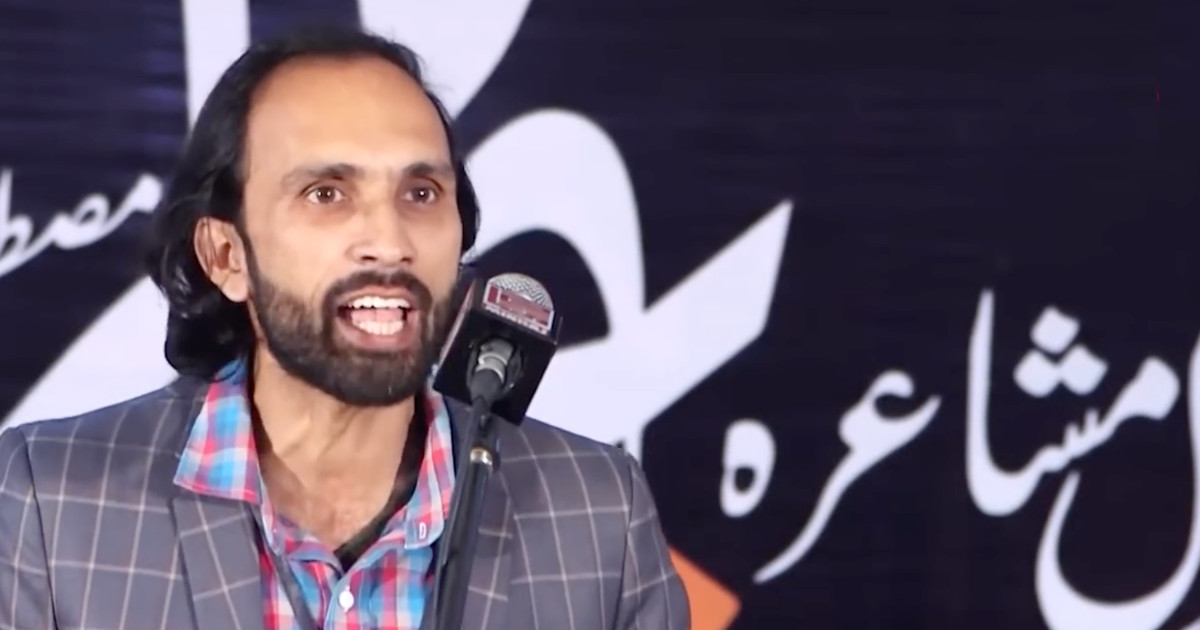
“We reject the content of the draft concept paper on PMDA altogether as it proposes media tribunals to prosecute media practitioners, including digital journalists, that the Authority headed by a government-appointed bureaucrat will arbitrarily deem violative of law,” the statement jointly issued by DigiMAP President Sabookh Syed of IBC Urdu, Vice President Adnan Kakar of Hum Sub and General Secretary Adnan Amir of Balochistan Voices, said.
The DigiMAP statement also fully endorsed the rejection of the proposed PMDA by key media and civil society representative associations, including Pakistan Federal Union of Journalists (PFUJ), Association of Electronic Media Editors and News Directors (AEMEND), Pakistan Broadcasters Association (PBA), All Pakistan Newspapers Editors (APNS), Council of Pakistan Newspaper Editors (CPNE), Human Rights Commission of Pakistan (HRCP), Pakistan Bar Council (PBC) and Supreme Court Bar Association (SCBA).
“The independent digital media community of Pakistan fully supports and joins hands with the print and electronic media communities, along with civil society and conscientious political parties in jointly opposing the government moves,” the DigiMAP statement declared.
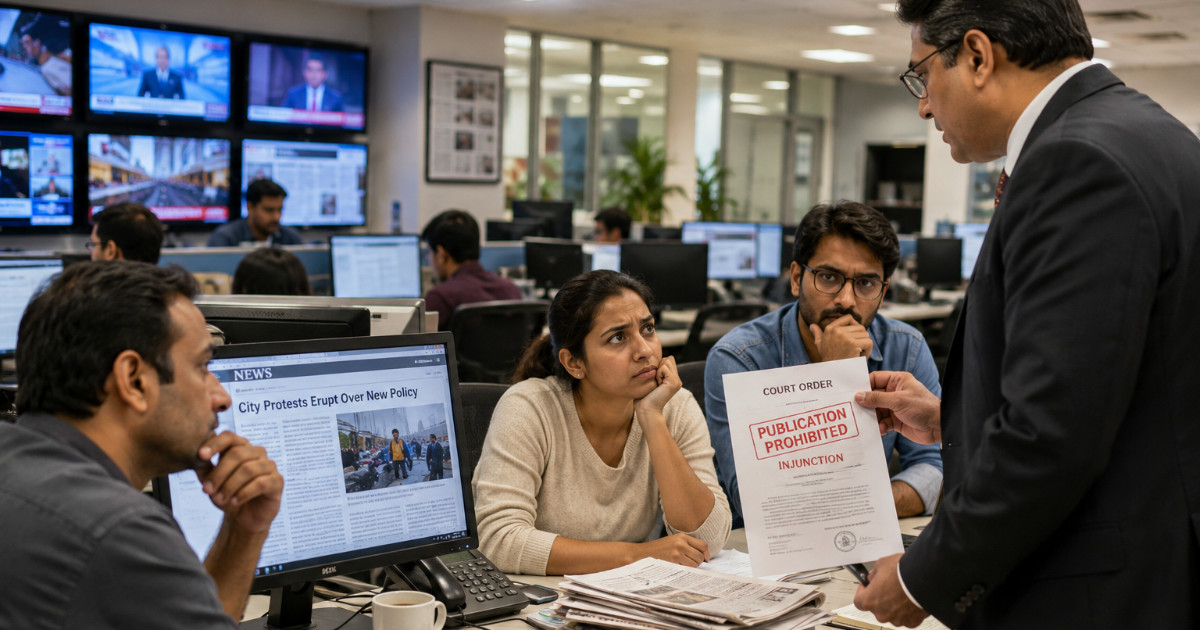
The statement said that after heaping sustained censorship pressure on print and electronic media, the government wanted to expand its coercive bullying tactics and to silence all critical voices on the internet and digital media also, which would be opposed by both DigiMAP, netizens, and digital rights communities.
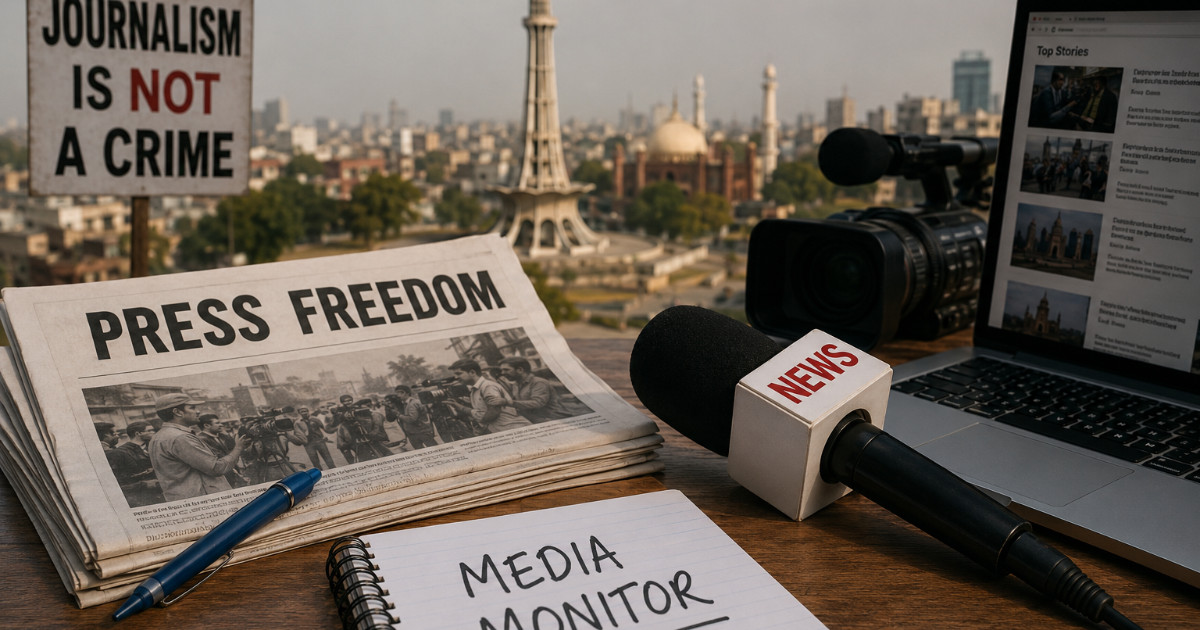
“There is an urgent need to expand media freedoms in both the digital and physical information spheres to protect all information practitioners including print, electronic, and digital journalists instead of further curbing political and social pluralism in the country.
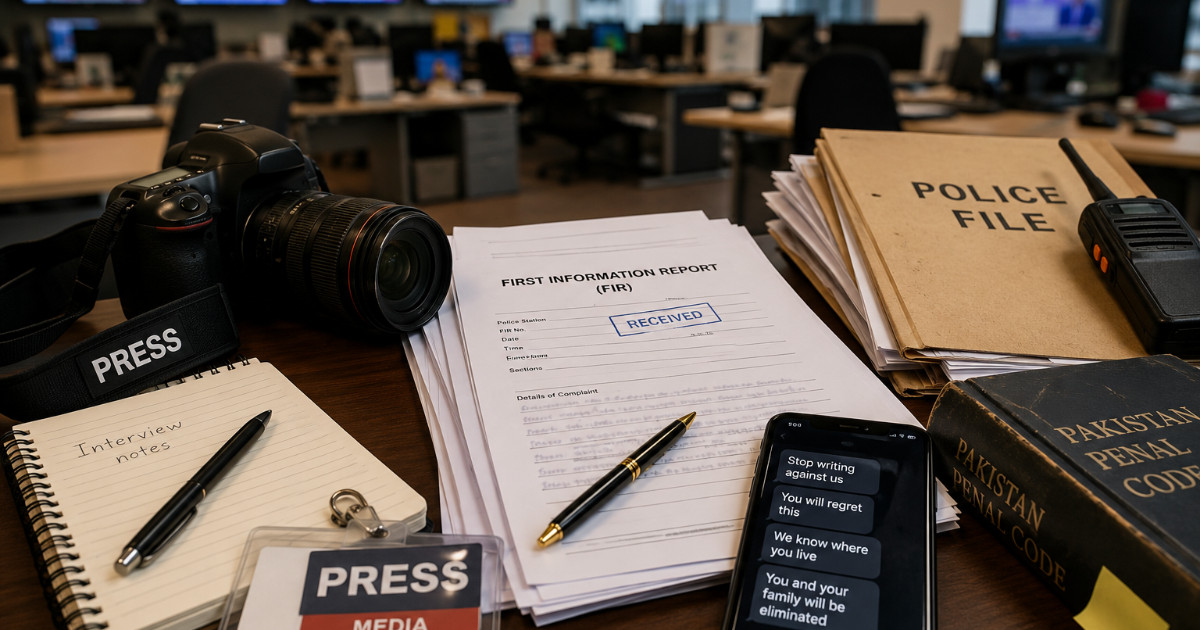
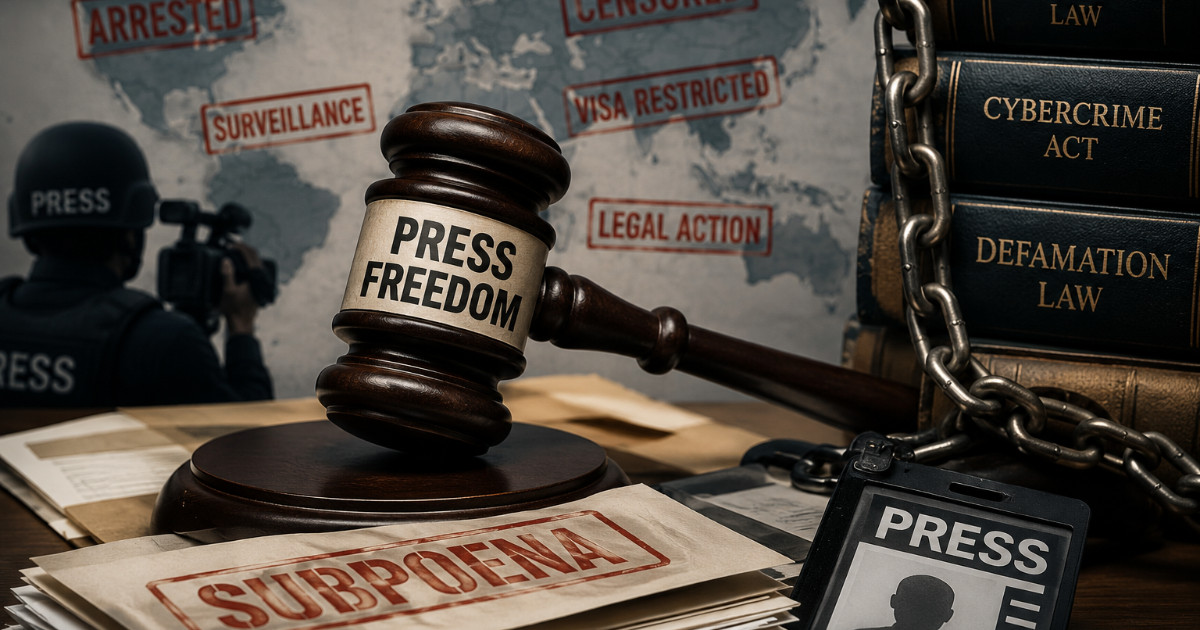
DigiMAP pointed out that recent research reports from Pakistani groups, including Freedom Network (FN), Digital Rights Foundation (DRF), Institute for Research, Advocacy and Development (IRADA), and others have shown that the cases of attacks on journalists, curbs on free speech, and harassment online have increased manifold in Pakistan over the past two years.
“The government should be focusing on reforming existing media laws to expand the guarantees on freedom of expression and right to information enshrined in the Constitution instead of limiting them under the new draft law that proposes expensive licensing of media operations, annual renewal permissions, and trials of print, electronic, and digital journalists and other content producers, including citizens,” the DigiMAP statement said.
“Pakistan continues to slip further in rankings on freedom of expression and safety of journalists and information practitioners issued by global media watchdogs such as Reporters Without Borders, International Federation of Journalists, and Committee to Protect Journalists. If the government proposal materializes in the shape of a law or ordinance, it will end up pushing Pakistan on the bottom-most world ranks of media freedoms,” it said.
“Pakistan’s economic progress depends on its digital transformation and thriving cyberspace that fosters creativity, innovation, and free expression underwritten by global standards of digital rights. The proposed PMDA will kill this spirit of digital progress, and DigiMAP will oppose this, along with its counterparts in print and electronic media, civil society, and human and digital rights communities,” the statement added.
Key Points
- DigiMAP opposes the proposed establishment of PMDA.
- The new authority aims to regulate all media sectors, raising concerns of censorship.
- Key media organizations support DigiMAP's stance against the government proposal.
- Recent reports indicate increasing attacks on journalists in Pakistan.
- The proposed law may undermine digital progress and journalists' safety.
Relevant Topics
Ask AI: Understand this story your way
AI EnabledDig deeper, ask anything — get instant context, background, and clarity.
Disclaimer: This feature is powered by AI and is intended to help readers explore and understand news stories more easily. While we strive for accuracy, AI-generated responses may occasionally be incomplete or reflect limitations in the underlying model. This feature does not represent the editorial views of JournalismPakistan. For our full, verified reporting, please refer to the original article.