
Journalists assaulted and harassed during Kenya election
JournalismPakistan.com | Published: 16 August 2017
Join our WhatsApp channel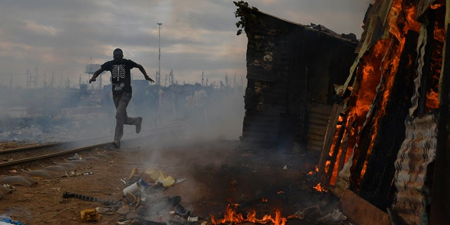
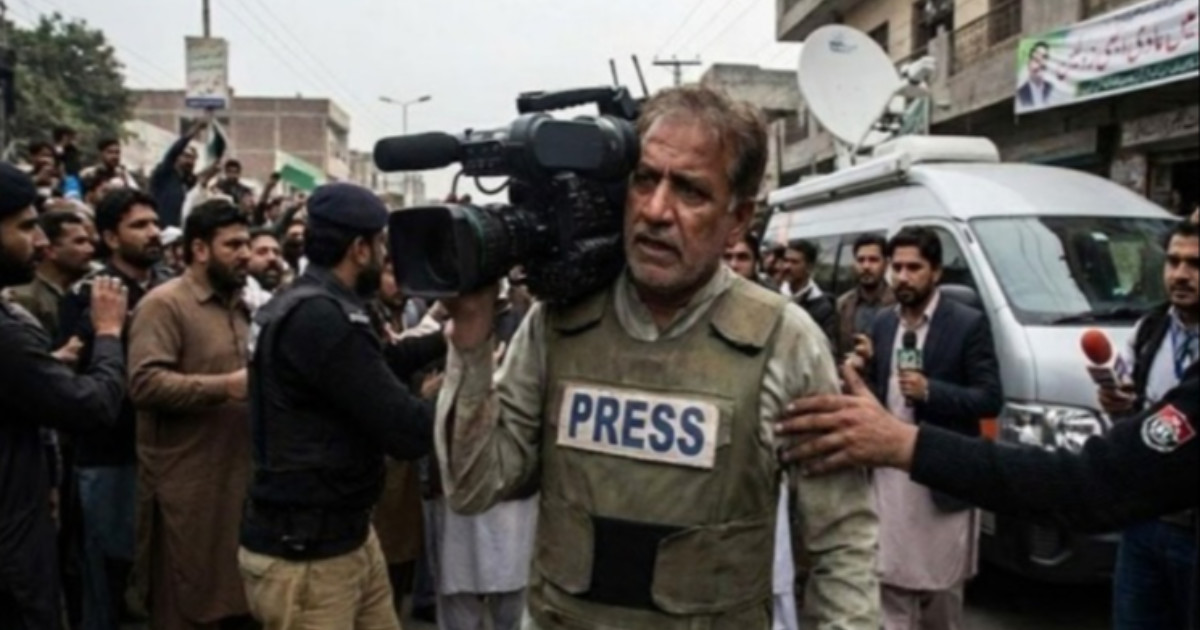
During Kenya's general election, several journalists faced assaults and harassment from police and political supporters. The IFJ has strongly condemned these actions as violations of press freedom.Summary
BRUSSELS - The International Federation of Journalists (IFJ) has condemned the appalling treatment of journalists by police and supporters of political parties both during and following the Kenyan general election on August 8.
A number of journalists were assaulted, harassed, intimidated and prevented from reporting during the election campaign.
Journalists have also been targeted by Kenyan authorities for reporting on post-election protests and subsequent house-to-house raids conducted by the Kenyan police. Kenya’s The Star has reported that a number of journalists have been harassed by protestors and had their cameras and equipment stolen or confiscated.
Incumbent president Uhuru Kenyatta was re-elected to office with 54% of the vote whilst his opponent Raila Odinga and his supporters have refused to accept the result.
Journalist Duncan Khaemba and cameraman Otieno Willis were reporting on post-election violence against protestors in the Kibera slums of Nairobi on Saturday, August 12 when they were arrested by Kenyan police, reportedly accused of wearing unlicensed bullet proof gear, including vests and protective helmets. Despite possessing copies of the import license, police wrongfully insisted that original versions were necessary and took both men into custody. They were released a few hours later.
"The manner in which this was done is ridiculous and not acceptable,” said Kenyan Union of Journalists Secretary General Erick Oduor. “This was meant to intimidate journalists and stop them from covering police brutality against protesters in Kibera slums."
"The Kenyan authorities must respect our colleagues’ right to report freely, safely and without harassment,” said IFJ General Secretary Anthony Bellanger. “This is particularly crucial during an election when the public needs clear and accurate information to make their democratic voice heard. This harassment of our colleagues, as well as the failure of the authorities to protect the media from violent protesters, is absolutely unacceptable.” – IFJ media release/Image: AFP
Key Points
- IFJ condemns treatment of journalists during Kenyan elections.
- Journalists faced harassment and assaults from police and supporters.
- Incumbent president Uhuru Kenyatta re-elected amid controversy.
- Police arrested journalists covering post-election violence.
- Harassment of media is unacceptable, says IFJ.
Relevant Topics
Ask AI: Understand this story your way
AI EnabledDig deeper, ask anything — get instant context, background, and clarity.
Disclaimer: This feature is powered by AI and is intended to help readers explore and understand news stories more easily. While we strive for accuracy, AI-generated responses may occasionally be incomplete or reflect limitations in the underlying model. This feature does not represent the editorial views of JournalismPakistan. For our full, verified reporting, please refer to the original article.