Latest Stories
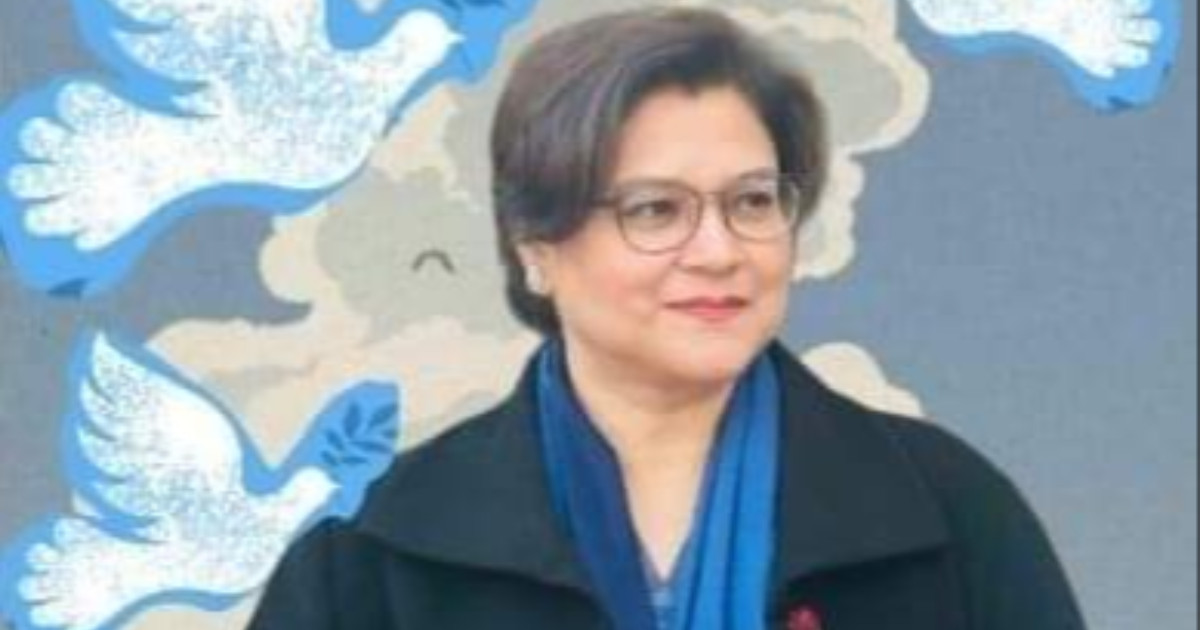
Myra Imran's CPNE role marks a step forward for women in media
—


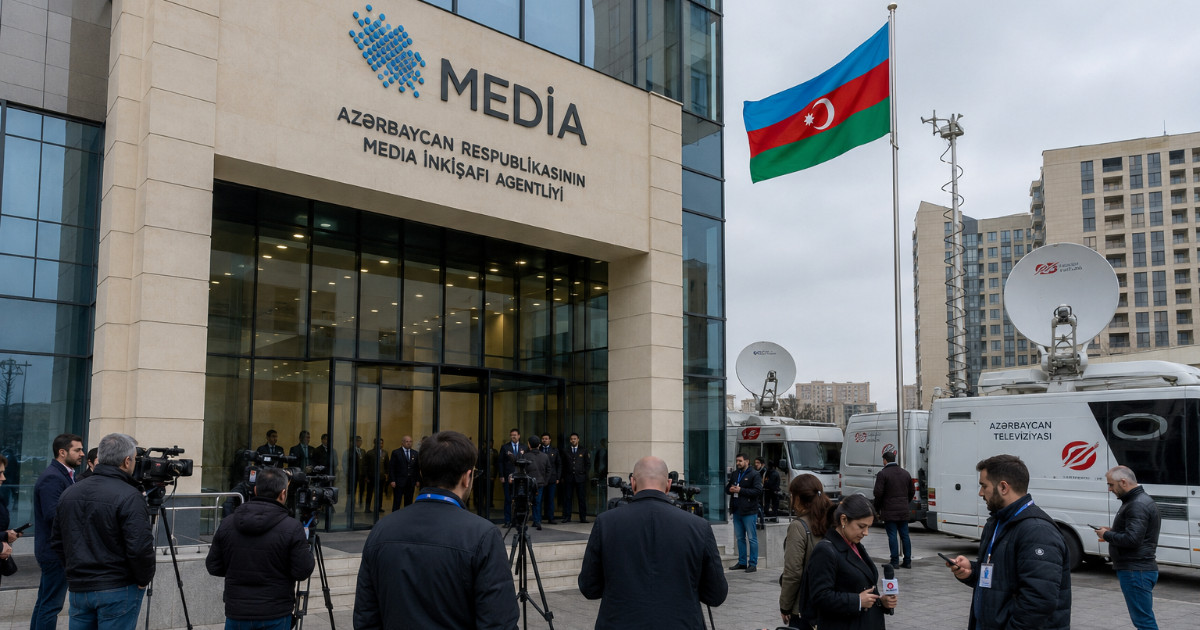
— Azerbaijan has banned Iranian outlets Səhər and Mehr, citing national security and reciprocity after Iran designated Azerbaijani state channel AzTV as hostile.
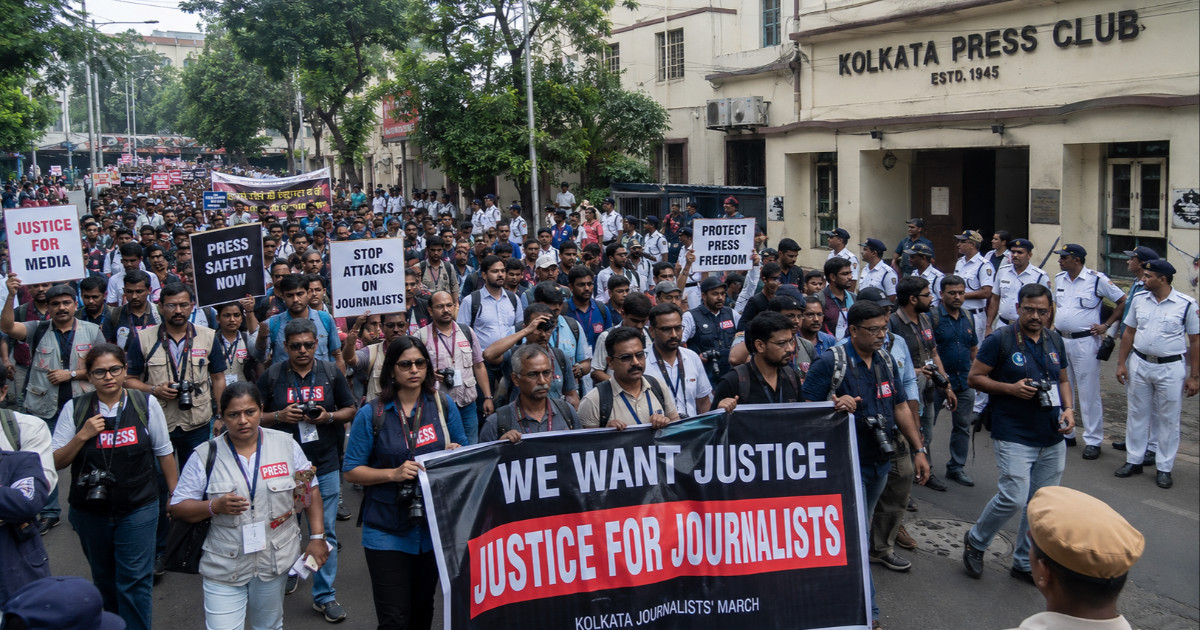
— Hundreds of West Bengal journalists marched in Kolkata on July 27 to protest attacks on media during a July 24 rally and demanded safety and legal action.
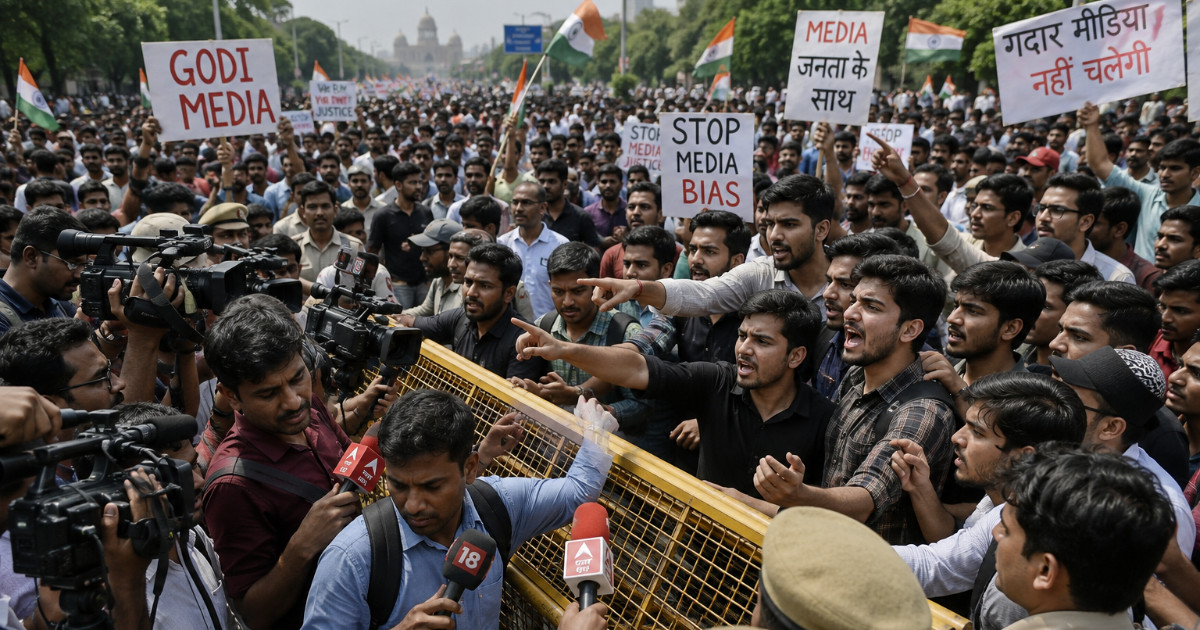
— A Times Now reporter was assaulted by demonstrators in New Delhi while covering student anti-government protests amid anger over perceived lapdog media bias.
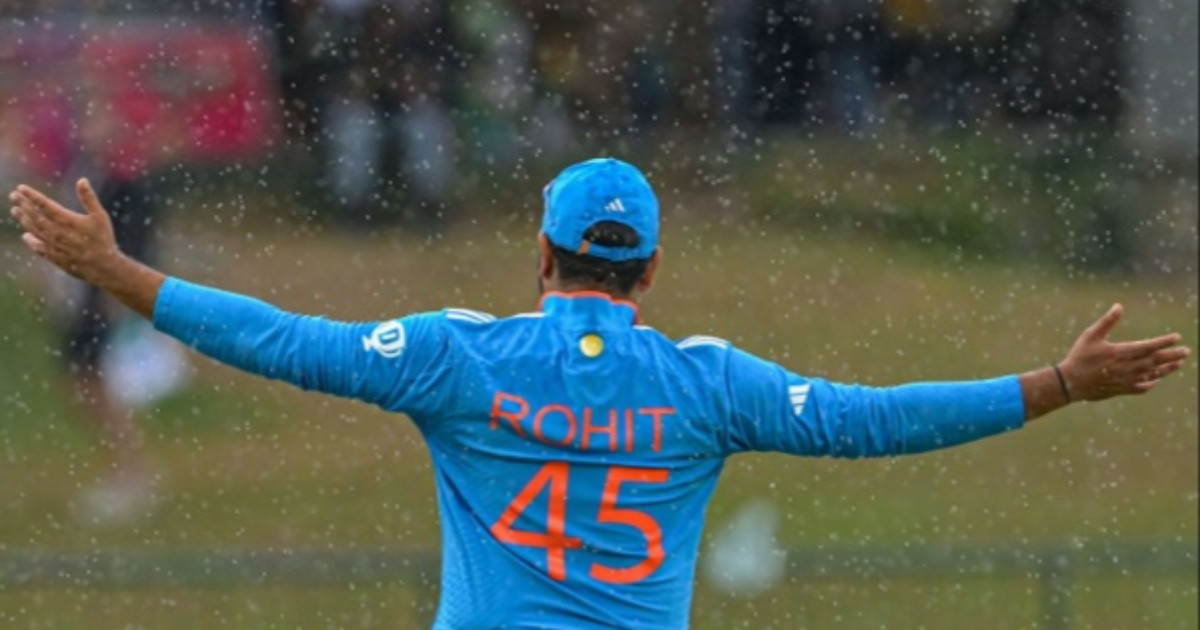
— Rohit Sharma's batting uses stillness, a late minimal trigger and steady head alignment to produce exceptional timing and effortless boundaries.
— Press Freedom Tracker documents journalist killings, arrests, legal pressure, violence, and harassment worldwide, exposing the growing threats facing independent reporting.
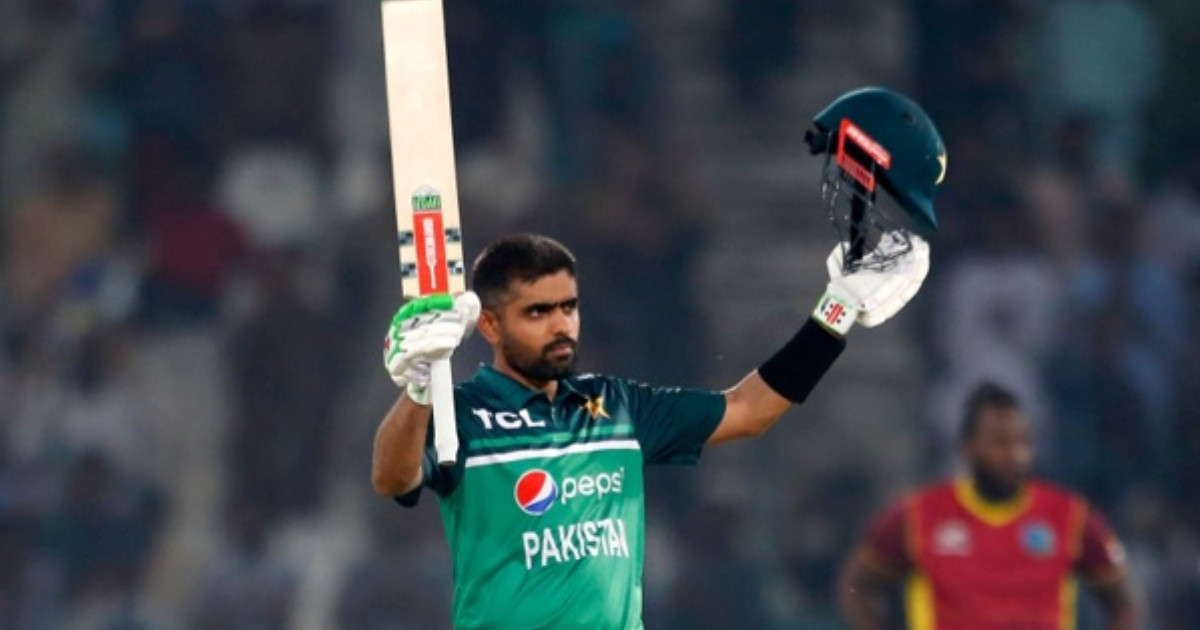
— Babar Azam's textbook technique and still head position contrast with Pakistan cricket's turmoil and public pressure as he fights to reclaim his best form.

— Reuters editor Alessandra Galloni warns AI companies use journalistic content without adequate attribution or payment, threatening the future of newsrooms.
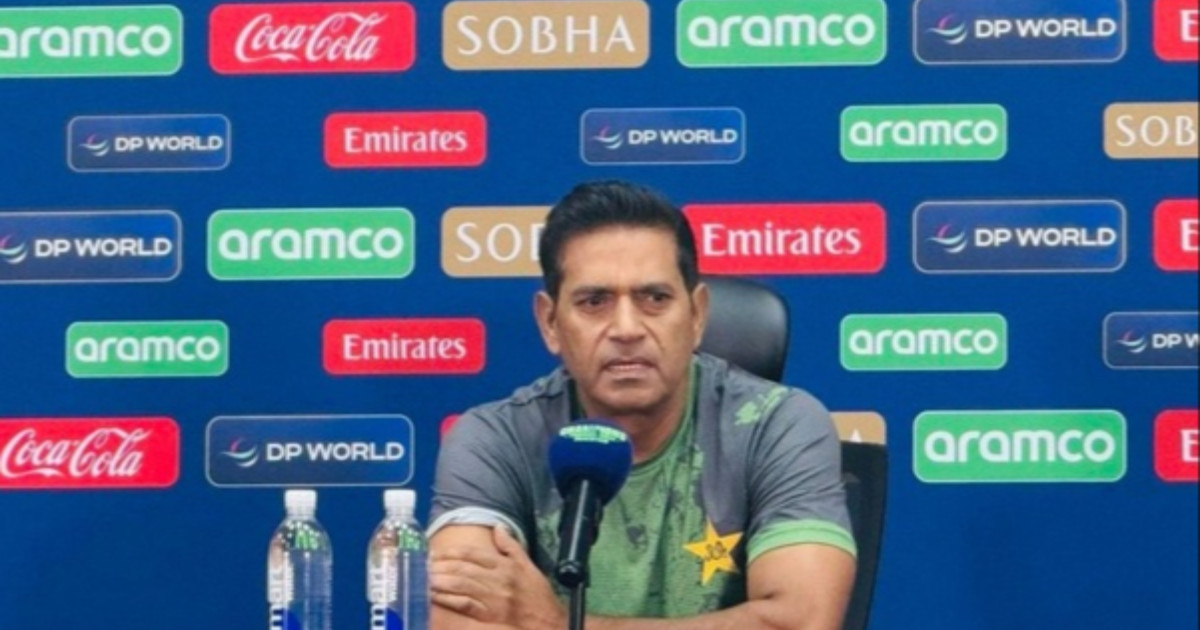
— Aaqib Javed's acceptance of Pakistan cricket's decline exposes failures in selection, leadership and governance and raises questions about accountability.
Dive in for more stories
— CPNE has formed a Press Freedom Committee for 2026-27, naming Maqsood Yousufi chairman and Zia Tanoli deputy to review press freedom issues and issue regular media freedom reports.
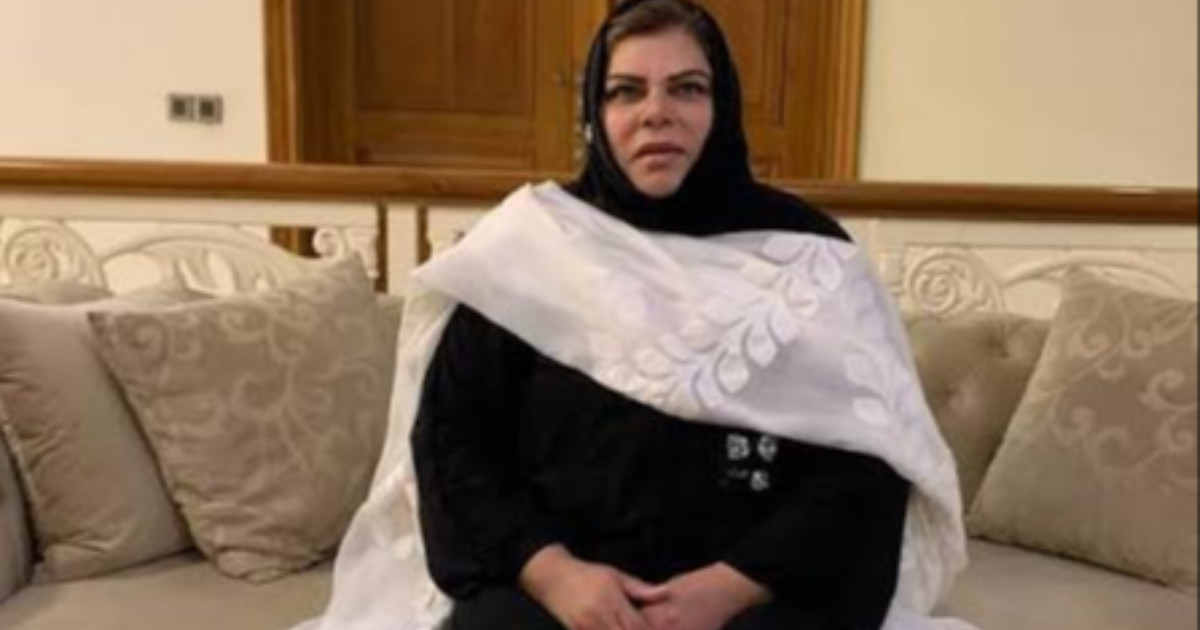
— Senator Sehar Kamran left a National Assembly committee, accusing Information Minister Attaullah Tarar of shouting and blocking her questions on PTV, hiring and the ministry budget.

— During July 7-20, 2026 Pakistan's media faced legal action against journalists, expanded broadcast regulations, newsroom layoffs and surveillance concerns, revealing growing regulatory, economic and technological pressures on journalism.
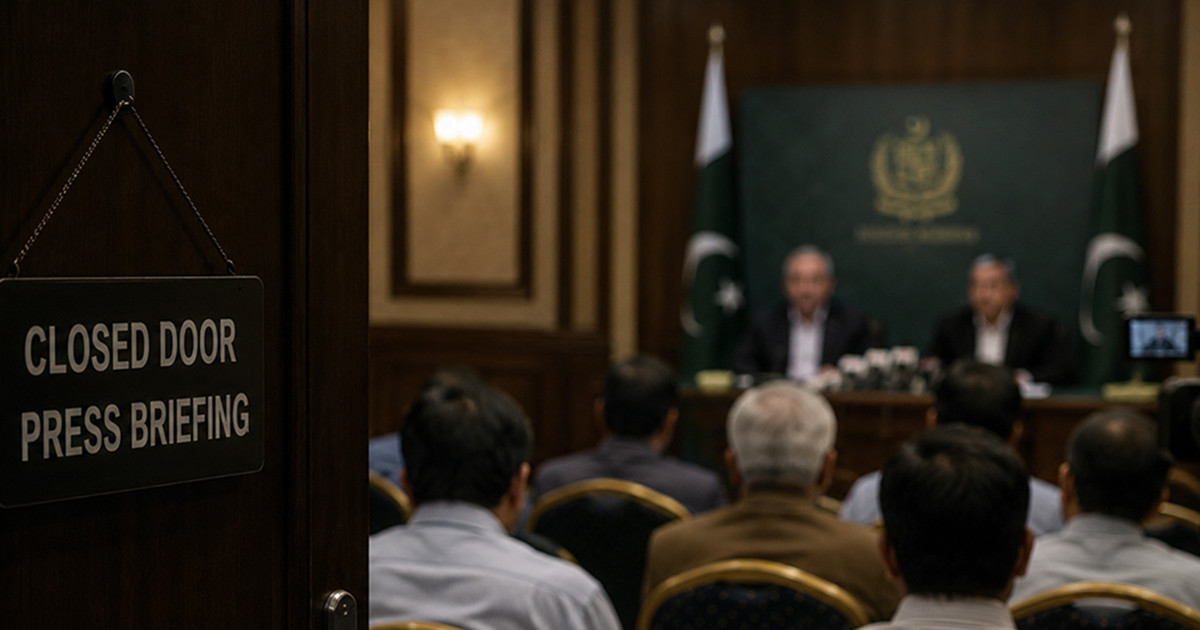
— Journalists criticised a closed-door briefing where ministers said OGRA would set petroleum prices daily and energy reporters were not invited.
See more
— Reuters editor Alessandra Galloni warns AI companies use journalistic content without adequate attribution or payment, threatening the future of newsrooms.
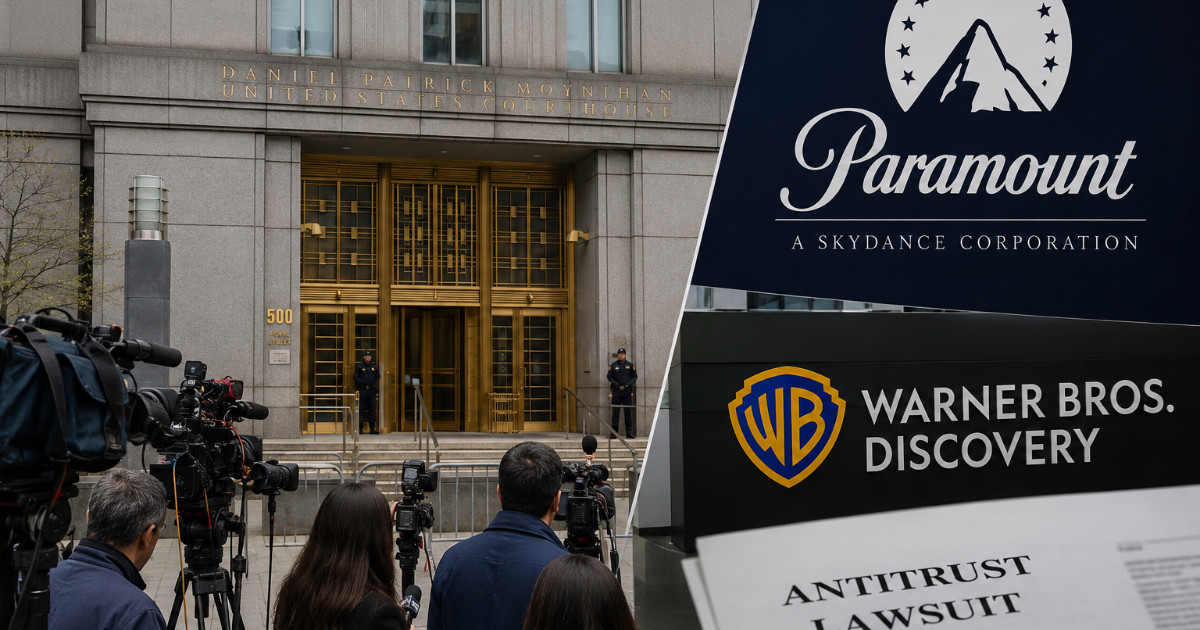
— A federal judge extended a 14-day order blocking Paramount Skydance's $111 billion acquisition of Warner Bros. Discovery amid ongoing antitrust litigation.
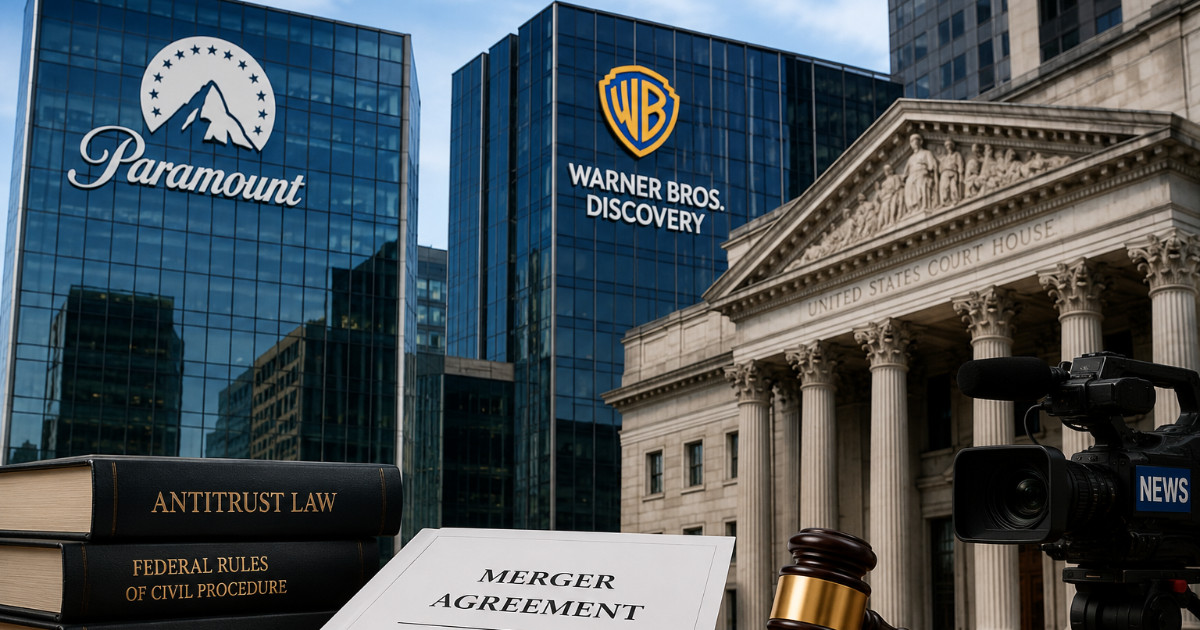
— A federal judge denied a temporary injunction sought by Paramount+ subscribers against the proposed Paramount-Warner Bros. Discovery merger.

— In 2026 newspapers earn revenue from digital subscriptions, sponsored content, events, memberships, online advertising and government ads, replacing the old print era model.
— Azerbaijan has banned Iranian outlets Səhər and Mehr, citing national security and reciprocity after Iran designated Azerbaijani state channel AzTV as hostile.
— Hundreds of West Bengal journalists marched in Kolkata on July 27 to protest attacks on media during a July 24 rally and demanded safety and legal action.
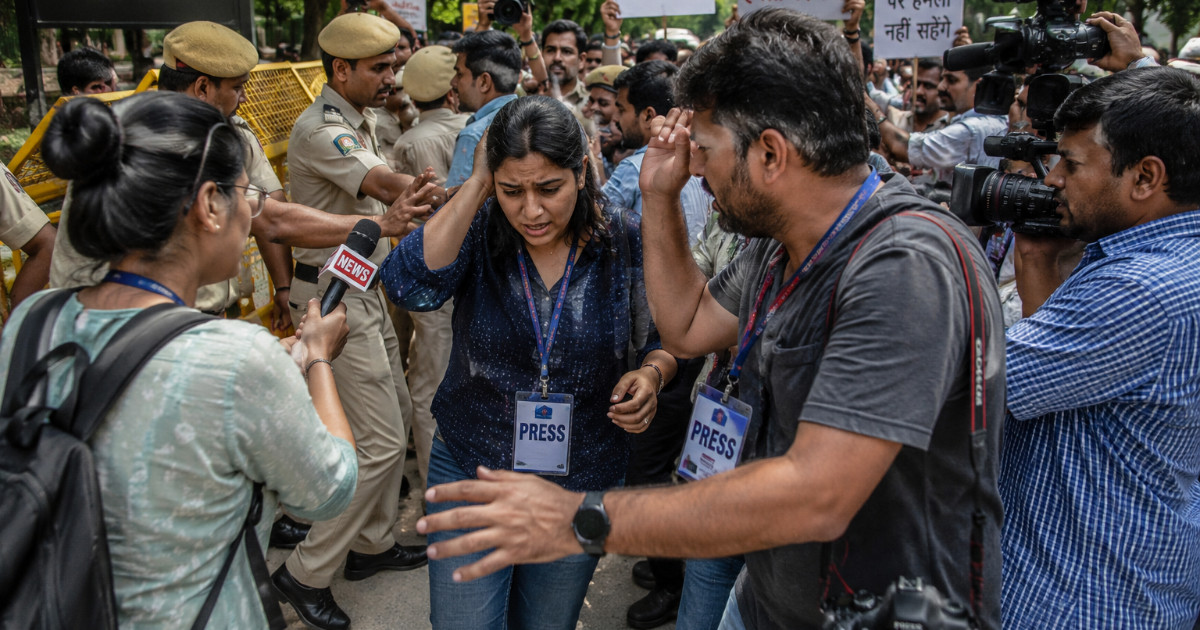
— Mumbai Press Club condemned an attack on journalists at New Delhi's Jantar Mantar, urging a prompt impartial probe and measures to ensure the safety of media.
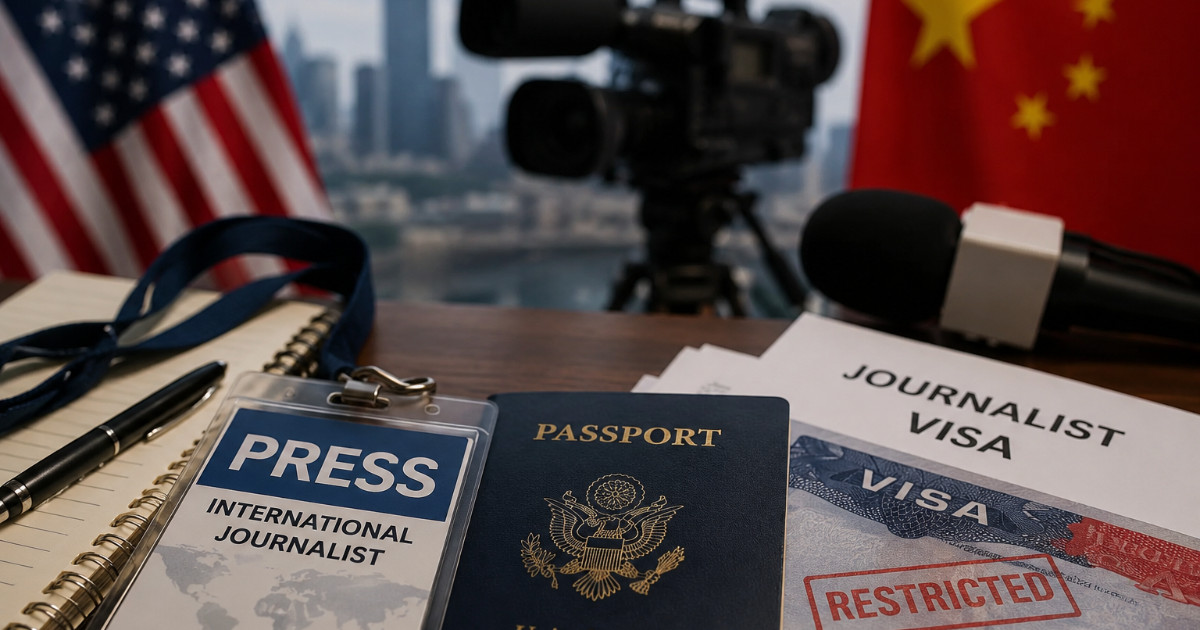
— China warned it may retaliate after the US set fixed-term visas for foreign journalists, usually 240 days but generally 90 days for Chinese reporters.
Discover more
— Press Freedom Tracker documents journalist killings, arrests, legal pressure, violence, and harassment worldwide, exposing the growing threats facing independent reporting.
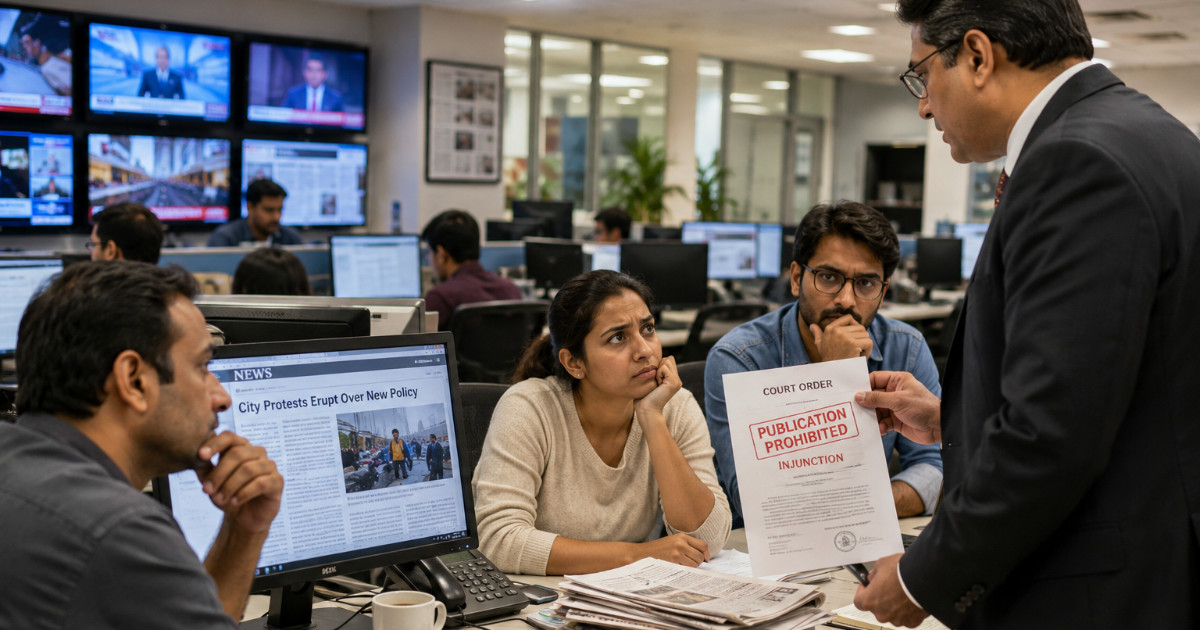
— Prior restraint is government action that stops publication or broadcast before it reaches the public, creating tensions between press freedom and security.
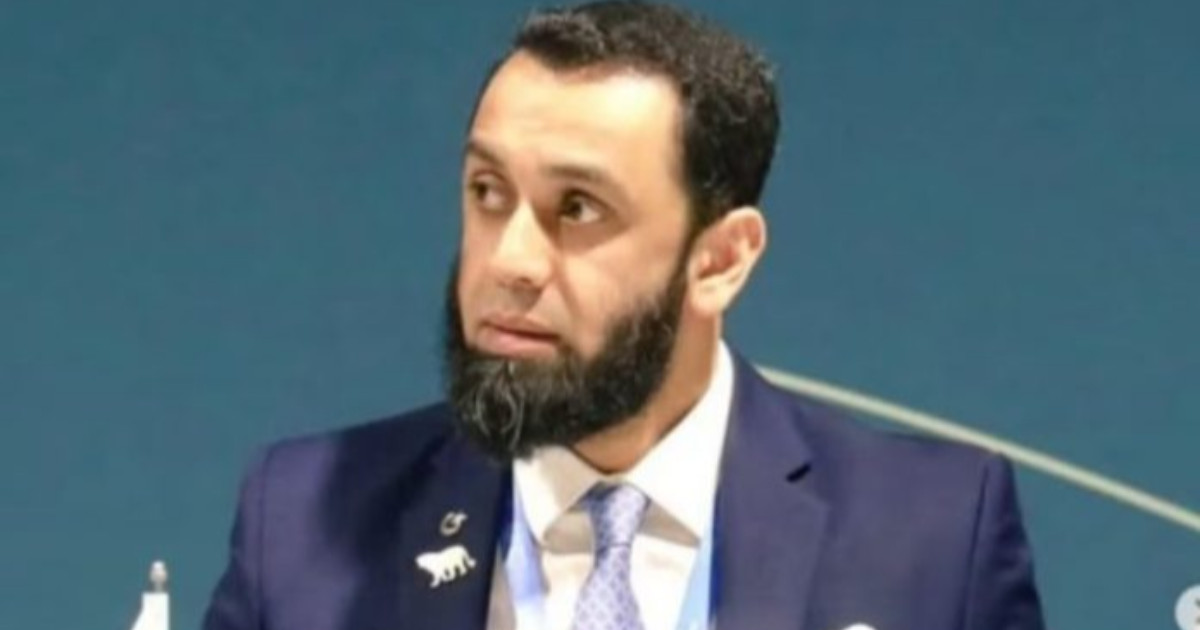
— Information Minister Attaullah Tarar said investigators uncovered an India-linked digital propaganda network targeting Pakistan's institutions and leadership.
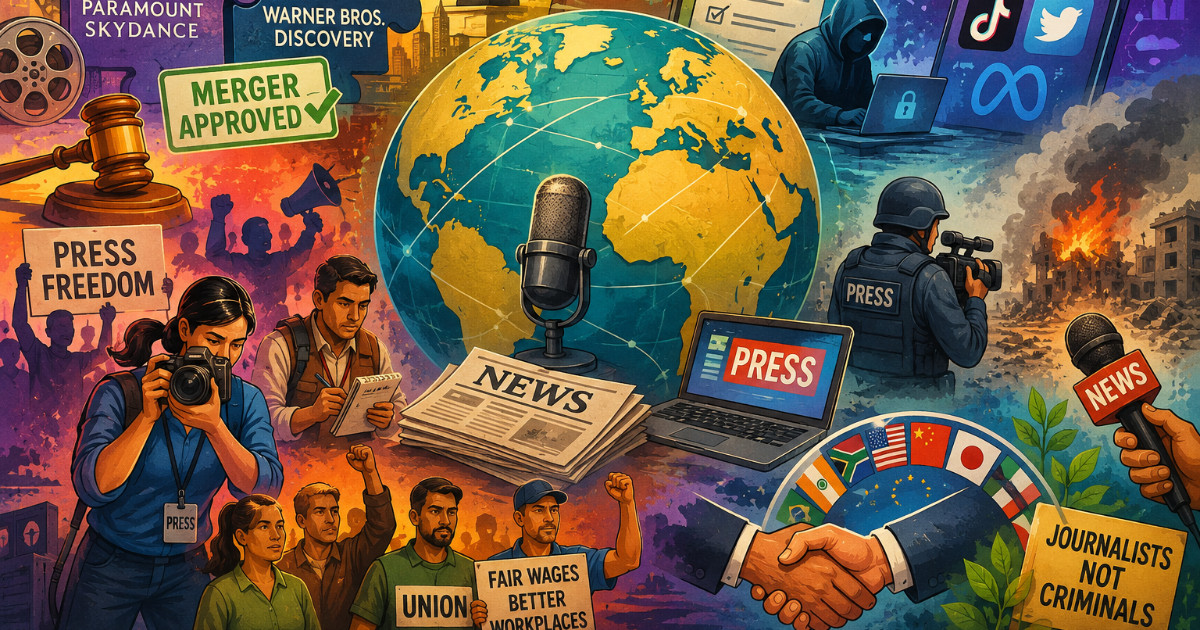
— Global media shifts as mega-mergers, regulatory battles, press freedom challenges, and rising risks for journalists reshape newsrooms while unions win gains.
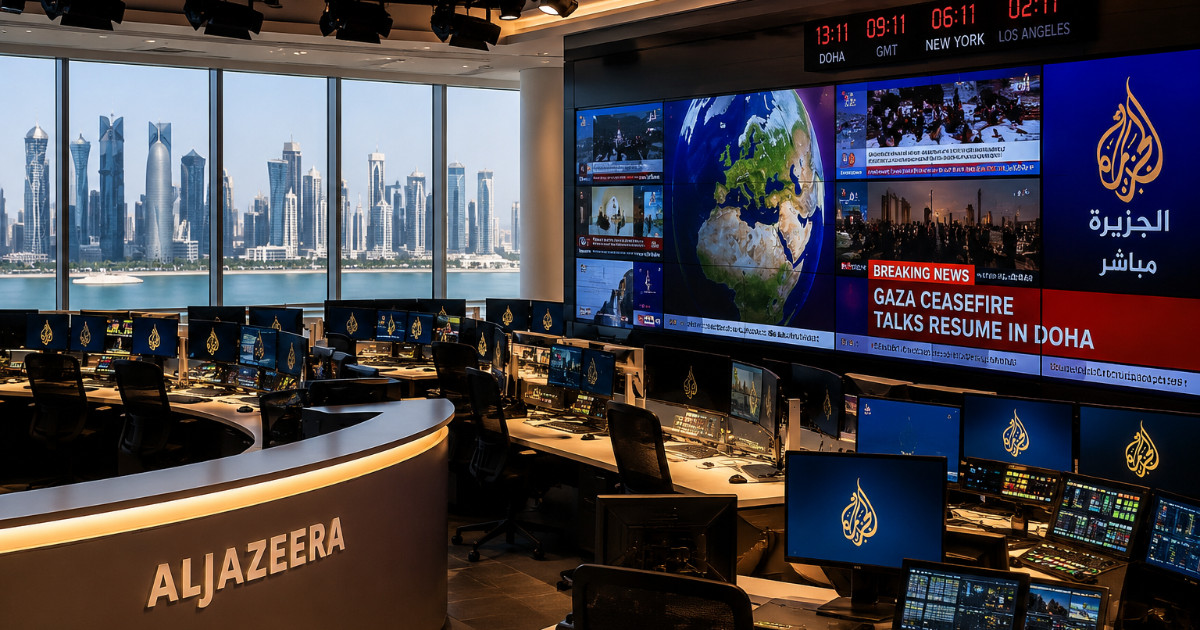
— The death of former Qatari Emir Hamad bin Khalifa Al Thani has renewed focus on his role creating Al Jazeera and its influence on regional journalism.
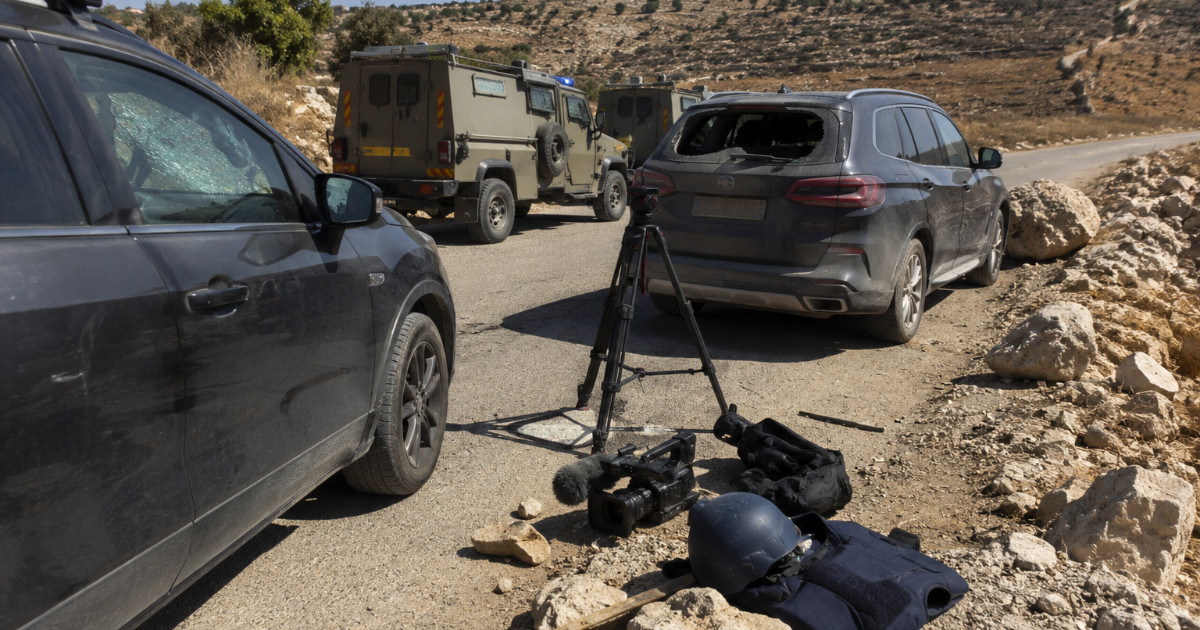
— Four Israeli settlers were arrested after allegedly attacking a CNN news crew and other journalists near Sinjil in the occupied West Bank on an anniversary.
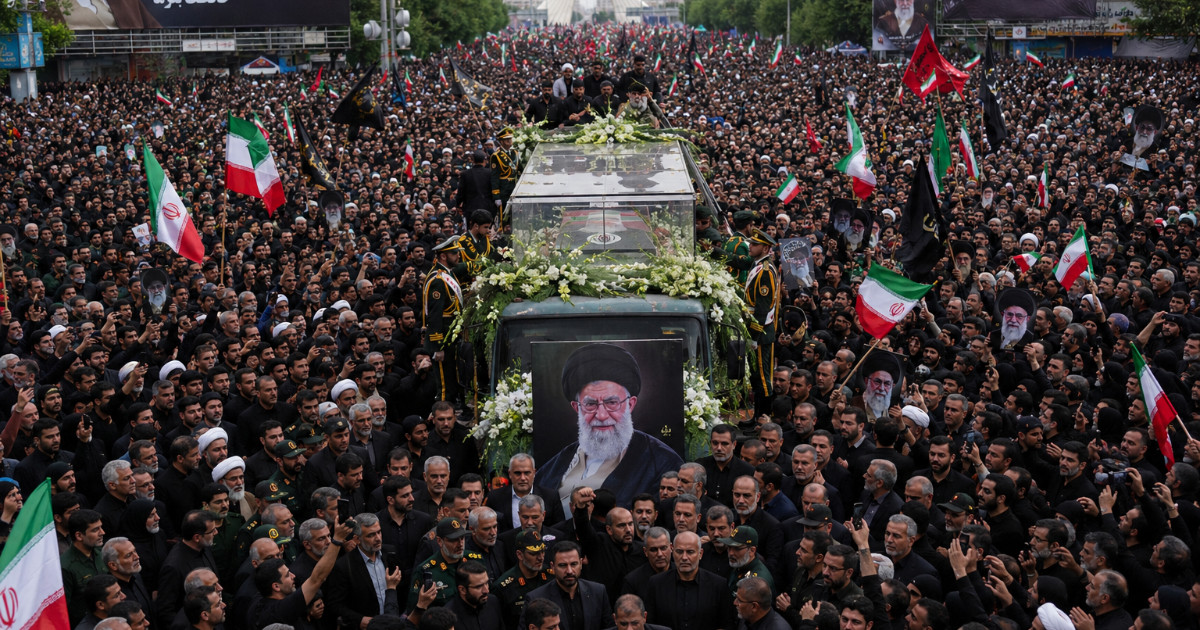
— Foreign outlets faced strict controls and limited access during Ayatollah Khamenei's funeral in Tehran, relying mainly on state footage, verified video and remote reporting.
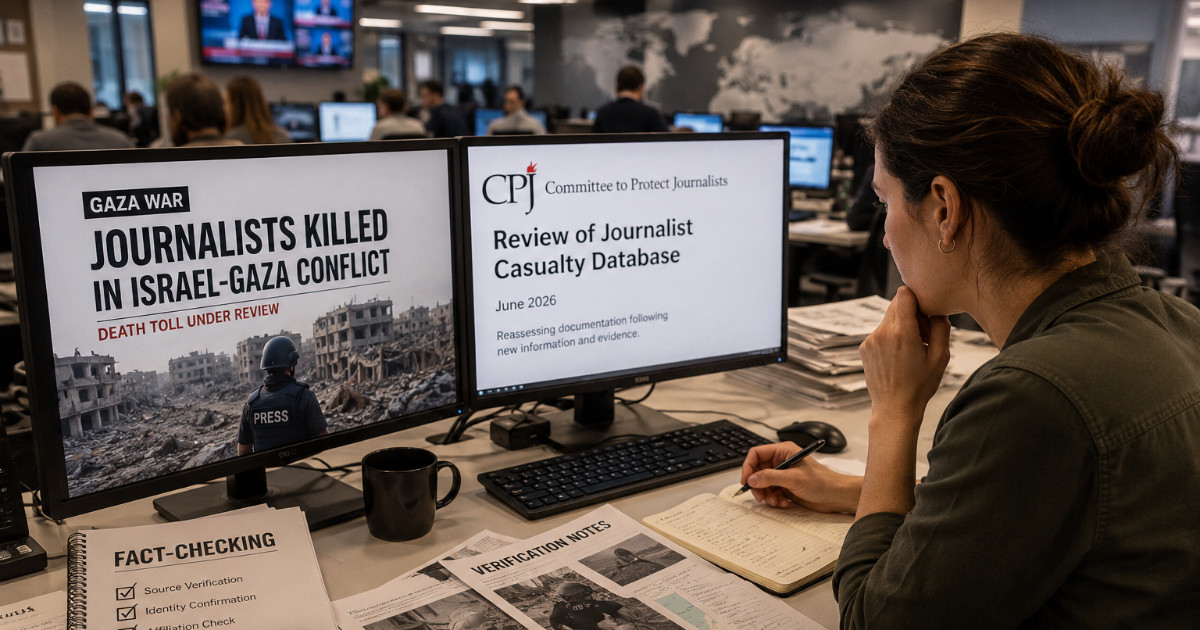
— CPJ is reviewing its Gaza casualty database after questions about affiliations of some individuals, prompting calls for stricter verification of journalists cited in conflict reporting.
See more
— Press freedom groups urge a full probe after Italian journalist Luca Esposito was found dead in Salerno; authorities are treating the case as a suspected homicide.

— AFP journalists in Türkiye ended a 12-day strike after securing a labor agreement with a 27% wage increase, a month's bonus, €2,500 and enhanced allowances.

— JournalismPakistan finds governments increasingly using courts, surveillance, visa limits and regulation instead of overt bans to pressure journalists.
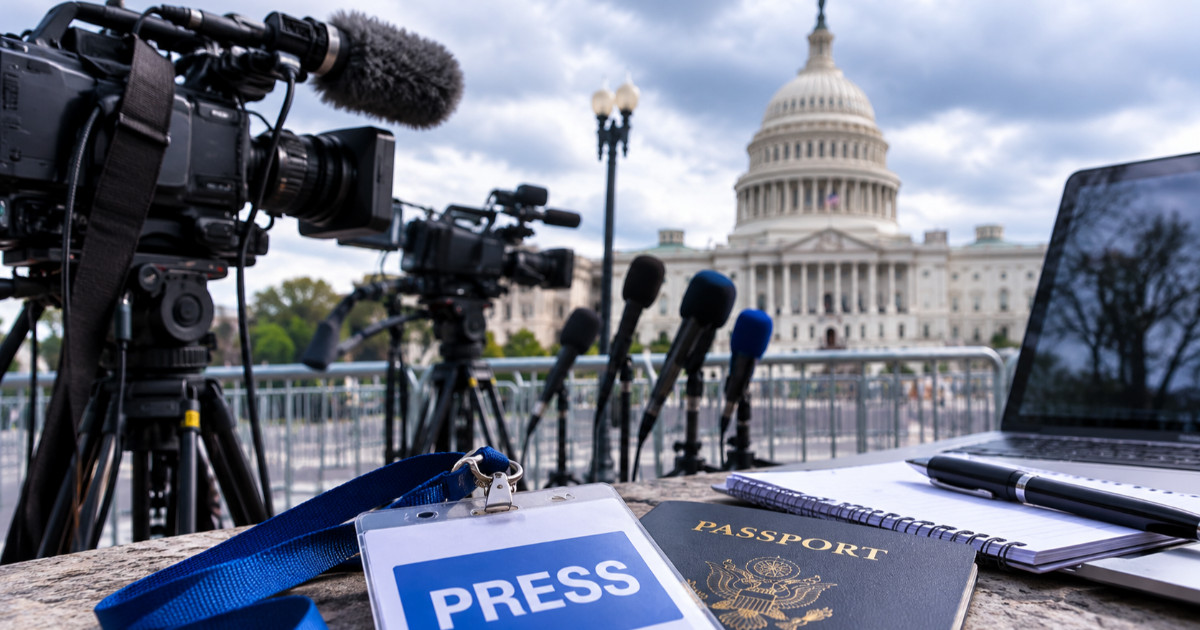
— US tightens visas for foreign journalists, replacing the long-standing 'duration of status' system with fixed limits and tougher vetting, a change CPJ warns could undermine press freedom.
Explore further
— Rohit Sharma's batting uses stillness, a late minimal trigger and steady head alignment to produce exceptional timing and effortless boundaries.
— Babar Azam's textbook technique and still head position contrast with Pakistan cricket's turmoil and public pressure as he fights to reclaim his best form.
— Aaqib Javed's acceptance of Pakistan cricket's decline exposes failures in selection, leadership and governance and raises questions about accountability.

— Lionel Messi's emotional exit after Argentina's defeat to Spain in a dramatic final in New Jersey marks the likely end of an extraordinary international career.
More stories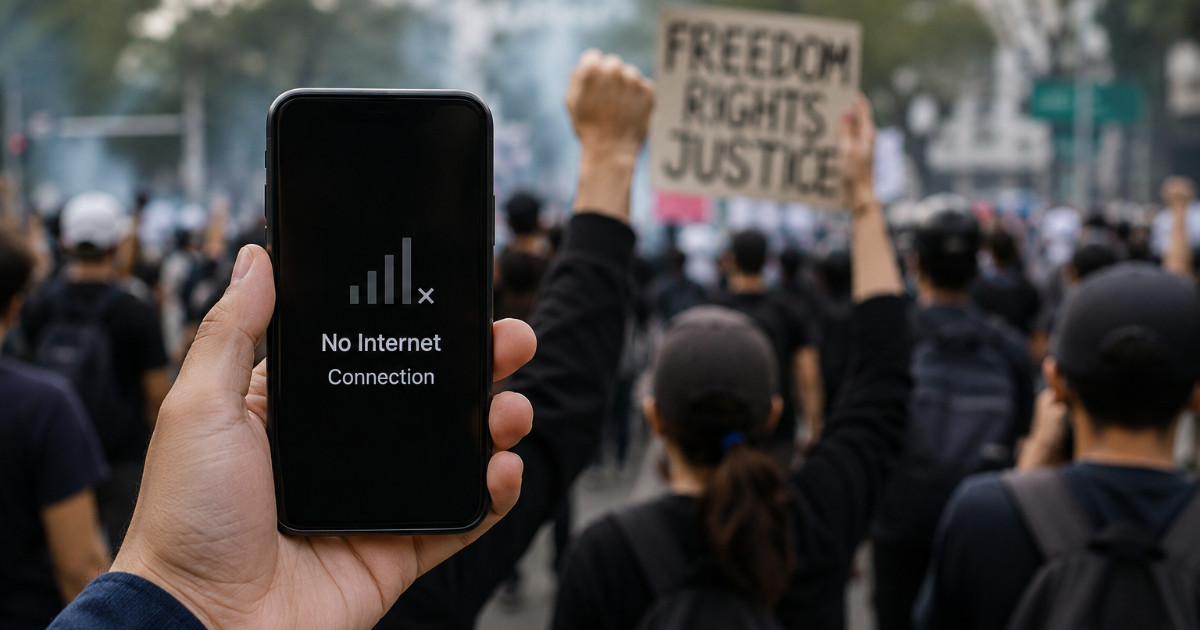
— Governments sometimes shut internet and social media in protests citing security; critics say shutdowns curb free speech and block vital information.

— A PNP survey shows most Pakistanis support taxing social media influencers but urge exemptions for small creators and safeguards to protect the digital economy.

— Digital surveillance threatens journalists; protecting devices, communications and sources from spyware, phishing, public Wi-Fi and metadata leaks is essential.
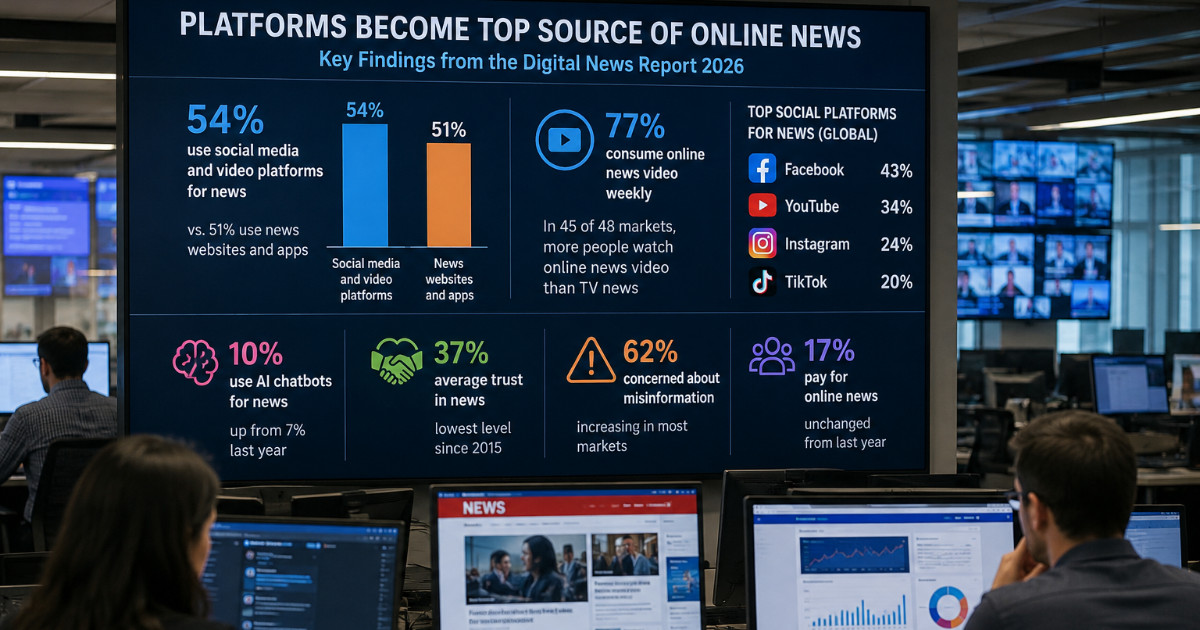
— Social media and video platforms are now the world's most used source of online news, surpassing publishers' websites and apps, Reuters Institute finds.
Dive deeper
— Myra Imran has been named to CPNE's Press Freedom Committee for 2026-27, a move that increases women's role in media and supports efforts to protect press freedom.
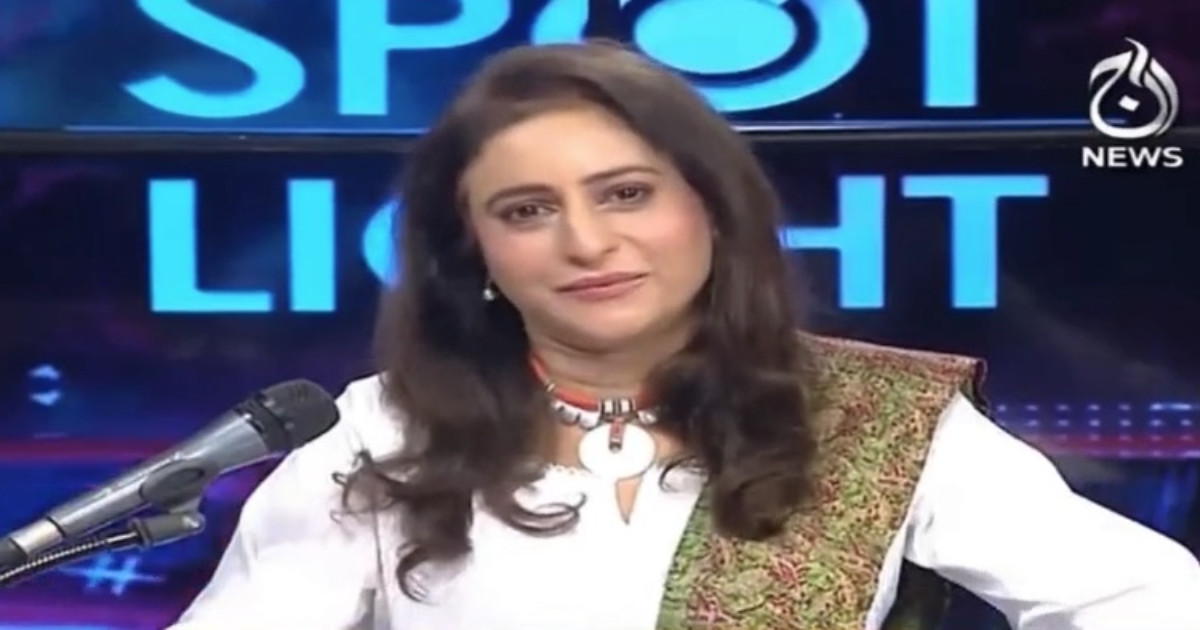
— Veteran journalist Munizae Jahangir hosted her final episode of Spotlight on Aaj News after an 11-year run, reflecting on her work and thanking viewers.
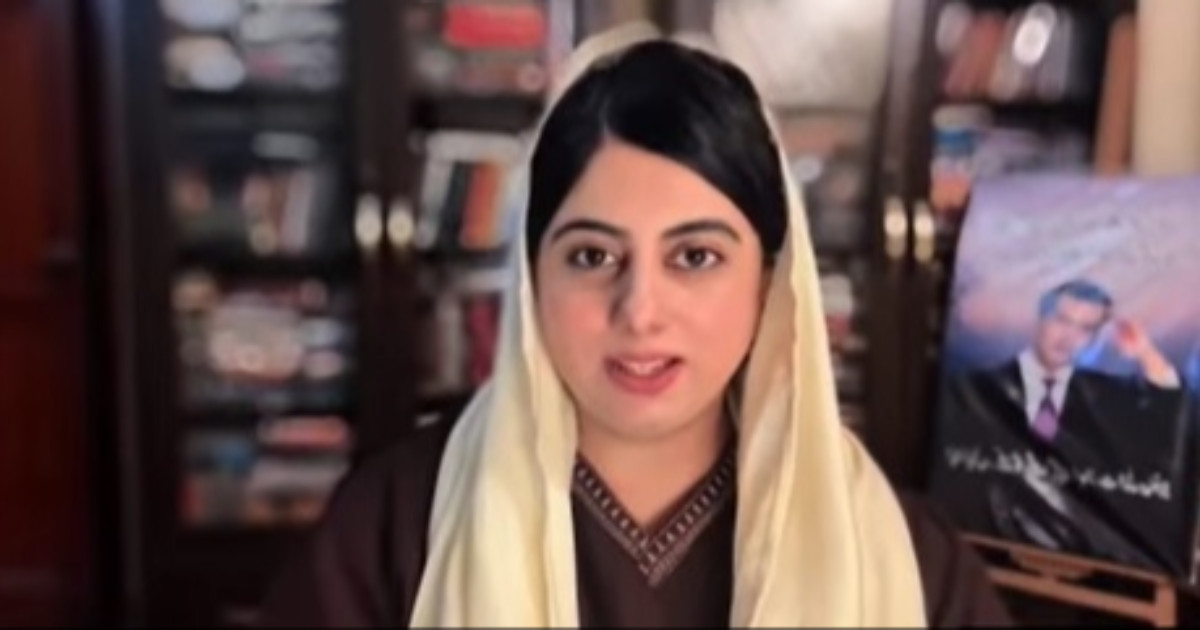
— Javeria Siddique says a London-based individual is behind a coordinated online smear campaign targeting her and journalist Samina Pasha, as she weighs legal action.
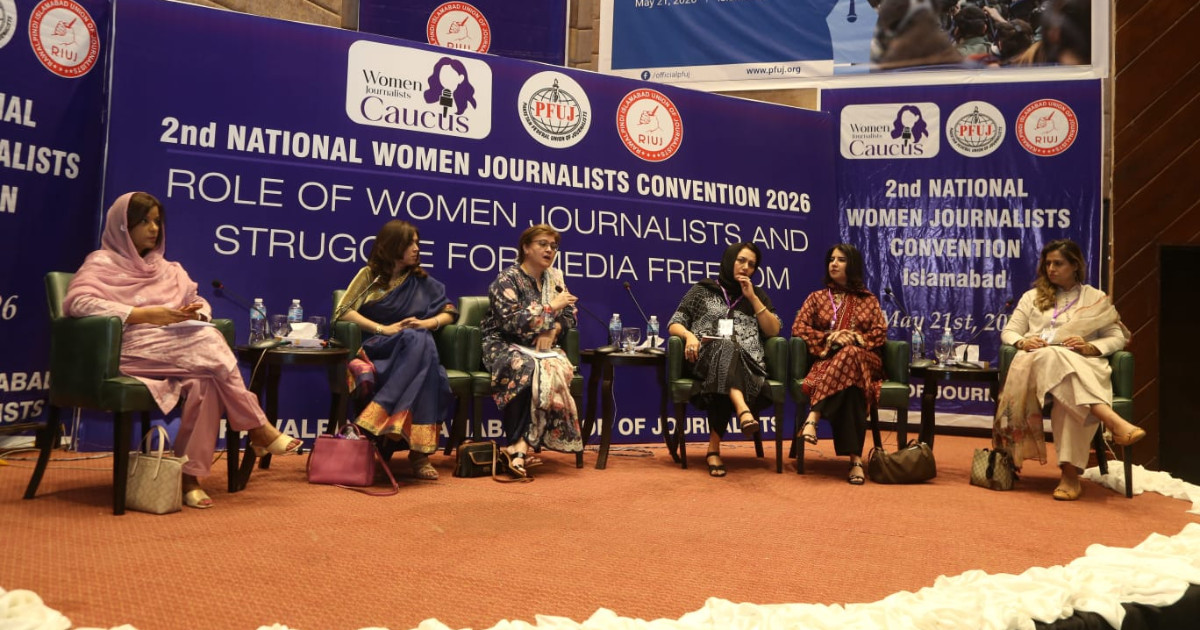
— Pakistan should strengthen laws and newsroom policies, boost digital security, and create complaint cells to protect women journalists from harassment.
View more content