.jpg)
Key freedoms under relentless attack in Pakistan: Amnesty International
JournalismPakistan.com | Published: 14 June 2018
Join our WhatsApp channel
Amnesty International expresses concern over human rights violations in Pakistan as the country approaches general elections. The organization calls for the release of detained activists and warns against attacks on free speech.Summary
The Pakistani authorities must end the current crackdown on human rights defenders, activists, journalists and other members of the civil society and ensure that human rights are fully respected and protected in the lead up to next month’s general elections, Amnesty International said on Thursday.
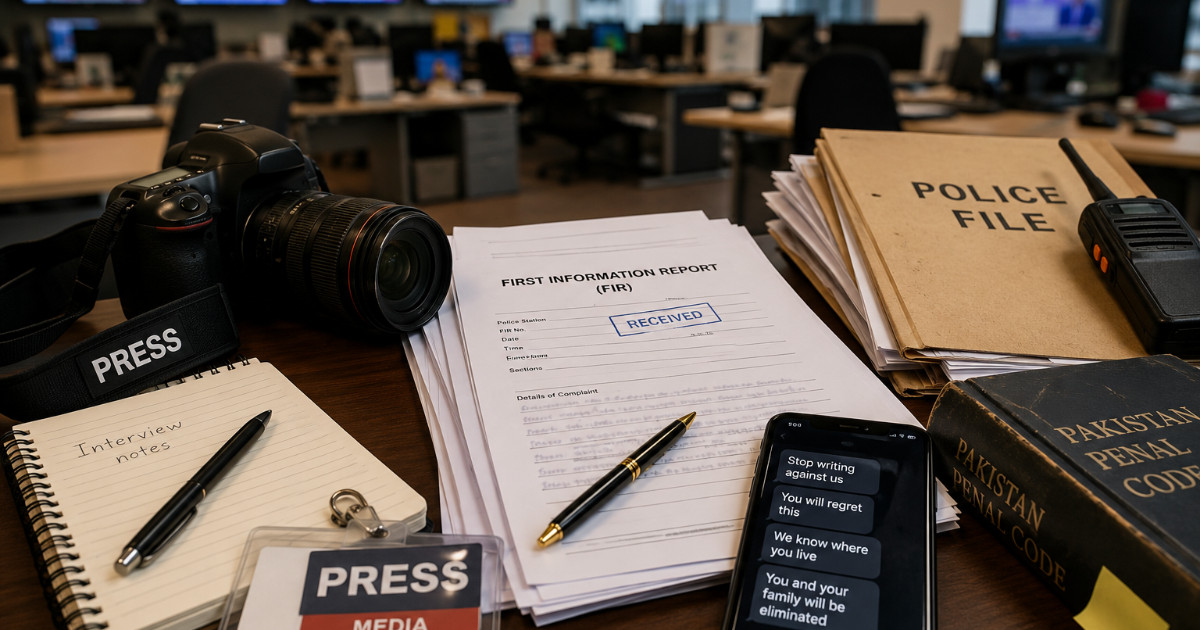
On 25 July 2018, in general elections to be held across the country, Pakistanis will elect their next civilian government. Amnesty International is alarmed by the ongoing wave of arbitrary arrests, enforced disappearances, attacks on the rights to freedom of expression and peaceful assembly.
“Key freedoms are under relentless attack in Pakistan, with the authorities cracking down on dissent, whether it takes place on the streets, on television news channels, in newspaper columns, or on social media,” said Dinushika Dissanayake, Deputy Director for South Asia at Amnesty International.
Amnesty International has called for the immediate and unconditional release of 37 activists currently detained at the overcrowded and violent Adiala Jail in Rawalpindi for participating in the Pashtun Tahaffuz Movement (PTM)’s peaceful protests, which called for an end to extrajudicial executions, enforced disappearances and other human rights violations.
The 37 activists, who include several students due to sit their exams soon, were charged with “sedition” – under colonial-era laws that are inconsistent and incompatible with international standards – and had their request for bail rejected. The case has now been referred to an anti-terrorism court.
“Peaceful protest is a right protected by international human rights law and the Pakistani Constitution. The charge of sedition has no place in a modern, rights-respecting society, and peaceful students should never be tried in an anti-terrorism court. The 37 activists must be released immediately and unconditionally, as they are detained solely for exercising their right to freedom of expression,” said Dinushika Dissanayake.
Amnesty International is also deeply concerned by the hours-long arbitrary detention of Gul Bukhari in Lahore in the early hours of 6 June 2018.
Gul Bukhari, a British-Pakistani columnist, and activist, who has been a critic of the Pakistani military and a supporter of the PTM’s movement for constitutional rights, was en route to a television news station when, according to an eyewitness, the car she was traveling in was suddenly surrounded by multiple vehicles. Gul Bukhari returned home a few hours later.
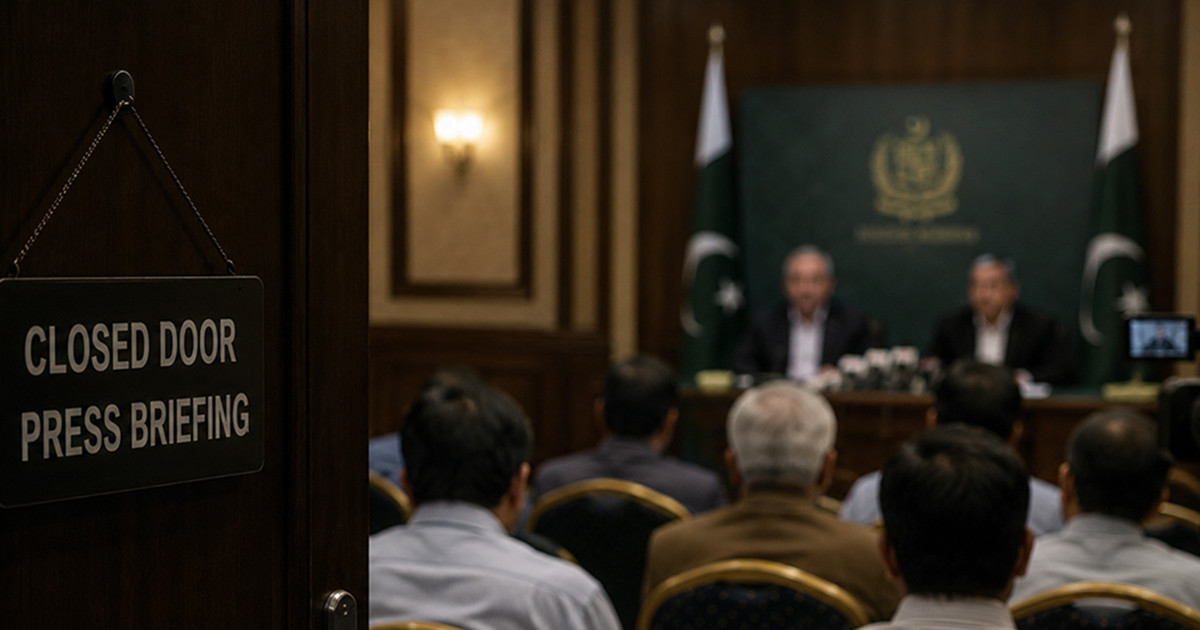
Gul Bukhari’s detention came a day after the military’s chief spokesman complained at a press conference that social media users are criticizing “the state.” The press conference – during which the military’s chief spokesman highlighted several social media accounts of bloggers, journalists, activists and human rights defenders - has raised fears that Pakistanis will now be targeted for simply exercising their right to freedom of expression.
On 7 June 2018, speaking at a meeting of the All Pakistan Newspaper Society in Islamabad, Hameed Haroon, the CEO of the respected Dawn Media Group warned that Pakistan is “encountering the most dangerous attack” on the right to freedom of expression."
Dawn has seen its circulation heavily disrupted in the country while the newspaper has come under intense pressure for its independent editorial policy. News agents have been warned against stocking the newspaper, and street vendors have been harassed and intimidated for selling it.
Similar pressure has been applied to the Jang media group. Over recent weeks, several columnists who regularly write for the Jang group’s English-language newspaper, The News, said the newspaper was unable to publish their articles because of fear of official reprisals.
“Pakistan once proudly boasted a lively and independent media. This, sadly, has stopped being the case. People can no longer speak or write freely,” said Dinushika Dissanayake. – Amnesty International
Key Points
- Amnesty International reports a crackdown on human rights in Pakistan ahead of elections.
- 37 activists detained for participating in peaceful protests are called for immediate release.
- Detention of journalist Gul Bukhari raises concerns about freedom of expression in Pakistan.
- Pressures on media outlets like Dawn and Jang limit independent journalism.
- Authorities accused of enforcing colonial-era laws inconsistent with international standards.
Relevant Topics
Ask AI: Understand this story your way
AI EnabledDig deeper, ask anything — get instant context, background, and clarity.
Disclaimer: This feature is powered by AI and is intended to help readers explore and understand news stories more easily. While we strive for accuracy, AI-generated responses may occasionally be incomplete or reflect limitations in the underlying model. This feature does not represent the editorial views of JournalismPakistan. For our full, verified reporting, please refer to the original article.