
Why news avoidance may be a bigger threat than misinformation Seven evidence-based media predictions for Pakistan and beyond in 2026 Dawn calls life sentences for journalists an extreme move Arab journalists pledge cooperation to defend media freedom Palestinian rights group flags press access limits Silencing an article in Pakistan makes it louder When telling the story becomes a crime: A warning shot for Pakistani journalism Breaking news alerts then and now: from urgency to overload AI reduces publisher traffic but not newsroom jobs, study finds Palestinian journalists face a wave of detentions in 2025 Why news avoidance may be a bigger threat than misinformation Seven evidence-based media predictions for Pakistan and beyond in 2026 Dawn calls life sentences for journalists an extreme move Arab journalists pledge cooperation to defend media freedom Palestinian rights group flags press access limits Silencing an article in Pakistan makes it louder When telling the story becomes a crime: A warning shot for Pakistani journalism Breaking news alerts then and now: from urgency to overload AI reduces publisher traffic but not newsroom jobs, study finds Palestinian journalists face a wave of detentions in 2025
Logo
Janu
Newsroom

Government has no criterion for running ads on private TV channels, NA told

 JournalismPakistan.com |  Published: 7 December 2014

Join our WhatsApp channel

Government has no criterion for running ads on private TV channels, NA told
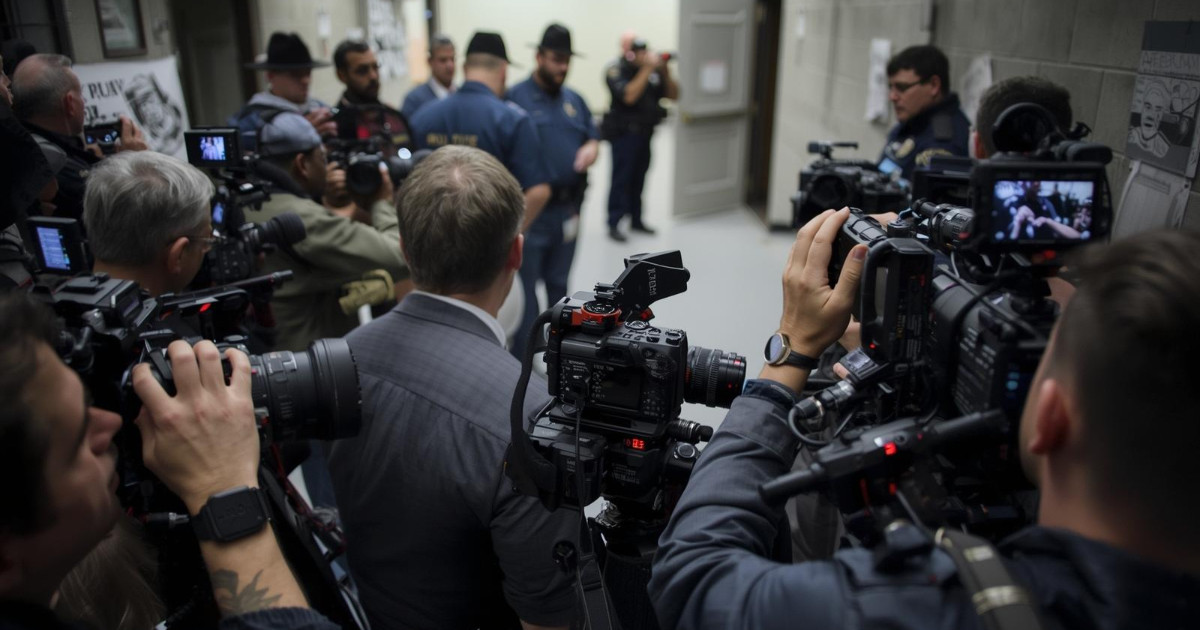
The National Assembly was informed that there is no established criterion for airing government ads on private TV channels. The government has reported expenditures exceeding Rs500 million on these ads since June 2013.

ISLAMABAD: The government has no set criteria for selecting private TV channels to air its advertisements, the National Assembly was told last month.

This issue was raised on November 26 when the government told the lower house that since June 2013 it has spent over Rs500 million on advertisements on private TV channels. During the Question Hour, PPPP’s legislator Nafisa Shah had asked about money the government spent on advertisements on electronic media during 2013-14. A list detailing Rs240 million paid to 56 TV channels was also shared with the National Assembly.

After the explanation over the total money – Rs594 million - spent on the government ads and the payments made uptil now – Rs306 million – MQM legislator Syed Asif Hasnain asked about the “authority” which gives approval to these ads and the criteria for selecting a private TV channel for running those ads. “Some channels have been given more ads than others and in some cases double payments have been made,” he added.

Mohsin Shahnawaz Ranjha, Parliamentary Secretary for Information and Broadcasting, frankly informed the House that unlike the print media no criteria or standard has been prepared for government ads on private TV channels since the country opened its airwaves in 2002. “There was no standard in the previous government and even before that. Right now also there is none.” However, he quickly added that for the first time the government under the directions of the Prime Minister is working on developing a criteria. The secretary tried to explain some contours of the policy such as viewership of TV channels, and their rates.

Distributed via cable networks today Pakistan has more than 90 private satellite TV channels. They are becoming the first source of news/information for a large number of people. In July 2013, according to a Gallup Pakistan survey, the Cable TV viewership reached 64%, up from 55% in 2010.

KEY POINTS:

  • Government has no set criteria for selecting private TV channels for ads.
  • Over Rs500 million spent on advertisements since June 2013.
  • Disparities in ad distribution among TV channels noted.
  • Parliamentary Secretary stated no standards exist for broadcast ads.
  • Government working on developing a criteria for advertising.
Dive Deeper

Newsroom
Arab journalists pledge cooperation to defend media freedom

Arab journalists pledge cooperation to defend media freedom

 January 04, 2026 Arab journalist unions from Jordan and Egypt announce deeper cooperation on training and advocacy, stressing media freedom and the role of Arab media in shaping global narratives.


Palestinian rights group flags press access limits

Palestinian rights group flags press access limits

 January 03, 2026 The Palestinian Centre for Human Rights highlights ongoing restrictions on journalists in occupied territories, impacting press freedom and humanitarian reporting.


Breaking news alerts then and now: from urgency to overload

Breaking news alerts then and now: from urgency to overload

 January 03, 2026 The evolution of breaking news alerts highlights a shift from rare, trusted updates to frequent notifications that contribute to audience fatigue.


AI reduces publisher traffic but not newsroom jobs, study finds

AI reduces publisher traffic but not newsroom jobs, study finds

 January 02, 2026 A study reveals that AI has reduced traffic to news publishers but not job levels, challenging fears of mass layoffs in journalism.


Palestinian journalists face a wave of detentions in 2025

Palestinian journalists face a wave of detentions in 2025

 January 02, 2026 In 2025, over 42 Palestinian journalists were detained by Israeli authorities, highlighting pressing concerns for press freedom and journalist safety.


Popular Stories