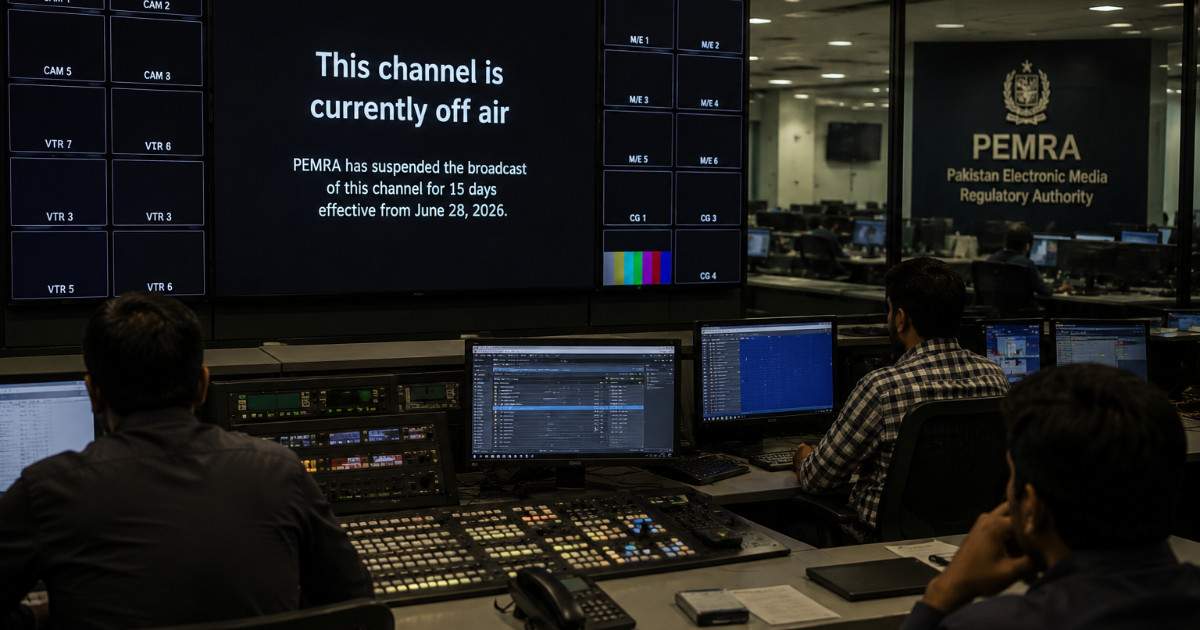

Media in Pakistan failing to pay salaries with deadly ramifications
JournalismPakistan.com | Published: 31 January 2020
Join our WhatsApp channel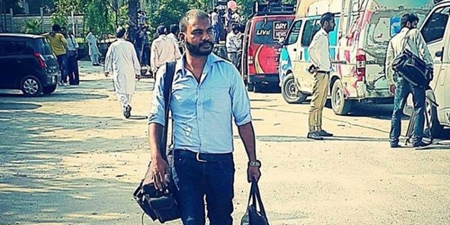
The media industry in Pakistan is grappling with a severe crisis of unpaid salaries impacting journalists' lives. Several cases of stress-related deaths have been reported, prompting urgent calls for government intervention and policy reform.Summary
Journalists in Pakistan are facing a widespread crisis of unpaid salaries, causing financial instability, trauma and stress-related deaths in the industry.
The International Federation of Journalists (IFJ) and its affiliate the Pakistan Federal Union of Journalists (PFUJ) have strongly condemned the ‘wage theft’ epidemic led by media companies and calls on Pakistan’s government to review the industry and ensure all outstanding salaries are paid immediately.
The practice of delaying salary payments has become increasingly common in Pakistan with some of the worst offending media companies delaying payments by as much as ten months, despite journalists continuing to work and provide professional services. The term “death by stress” is now well-known.
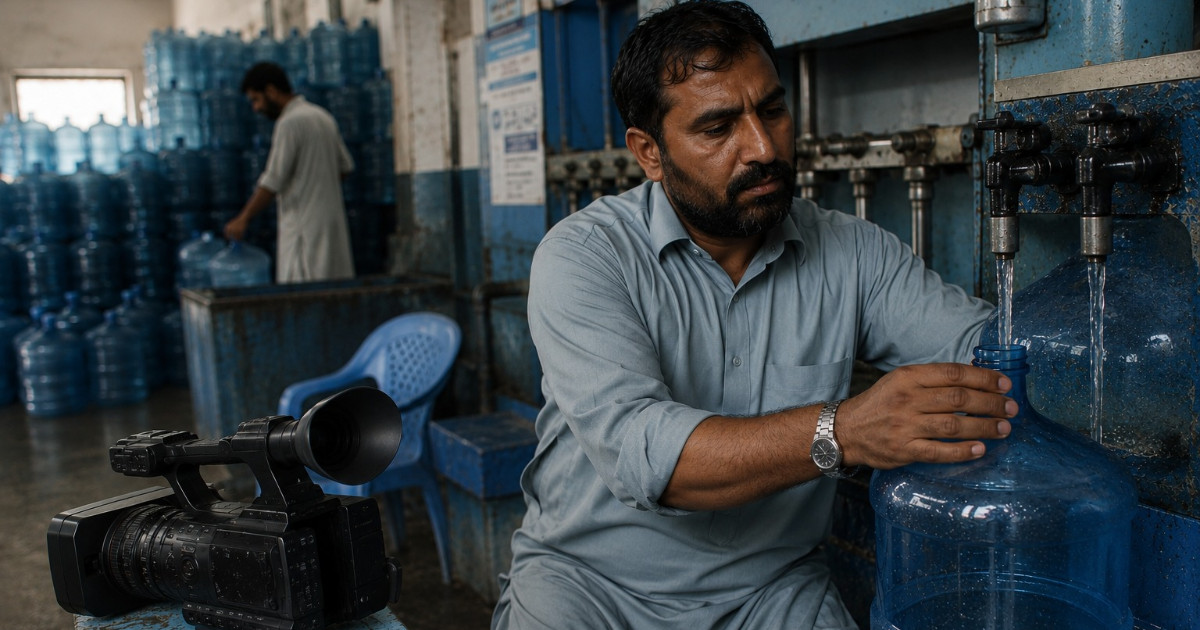
The IFJ and PFUJ have documented more and more cases of the extreme repercussions of non-payment of wages on media workers in the country in the past year. On January 21, Capital TV cameraman Fayyaz Ali (pictured) died of a cardiac arrest, attributed to the severe mental and financial pressures he faced at work. Fayyaz had not been paid for more than ten months and was fired the evening of his death. On November 27, 2019, S.M. Ifran, a journalist for News OneTV, died from a stress-related heart attack. He had not been paid for seven months.
Approximately 3,105 of Pakistan’s media workers had employment terminated in 2019. In November 2019, BBC Pakistan unlawfully terminated four employees in Islamabad and Peshawar without cause. News outlets ARY News and AAJ News terminated 150 journalists in October 2019 as part of a “downsizing” strategy, as did Dunya News Lahore where 70 journalists were terminated in August 2019. Journalists at Dawn had salaries cut by 10–40% in early 2019 resulting in country-wide protests. In 2018, Pakistan’s largest publication house, the Jang Group of Newspapers shut its operations, leaving more than 2,000 journalists unemployed.
To date, calls to address withheld salaries and financial pressures being foisted upon media workers have gone unheard, according to the PFUJ. Last year, the PFUJ recognized July 16 as a “Black Day” for media in the country, protesting mass layoffs, wage cuts and unprecedented censorship in Pakistan. In February 2019, it also supported a protest with Geo News employees demanding withheld salaries be paid.
As well as large, documented cases of unpaid salaries to journalists, the PFUJ notes a rise in stress-related deaths in the industry. While both government and some companies are reported as offering some levels of compensation to families, there are cases where promised compensation is not given.
The IFJ said an urgent inquiry was needed in terms of the duties of media employers to pay staff as well as a review into labor laws and practice in the country.
The PFUJ said: “We express profound grief upon the tragic demise of Capital TV cameraman Fayyaz Ali and S.M Irfan, of News One, and urge the government of Pakistan to take stringent action to address the issue.”
The IFJ said: “We condemn the ongoing ‘wage theft’ crisis and unlawful terminations being led by media owners in Pakistan. The IFJ stands with Pakistan’s media workers, unionists and advocates to address the pervasive erosion of labour rights that has crippled Pakistan’s media industry.” —An IFJ media release
Key Points
- Widespread unpaid salaries have led to financial instability among journalists in Pakistan.
- Stress-related deaths are increasingly documented due to wage delays.
- International Federation of Journalists calls for an urgent inquiry into media employers' responsibilities.
- PFUJ highlights ongoing wage theft and unlawful terminations affecting media workers.
- Government intervention is essential to address the crisis and protect journalists' rights.
Relevant Topics
Ask AI: Understand this story your way
AI EnabledDig deeper, ask anything — get instant context, background, and clarity.
Disclaimer: This feature is powered by AI and is intended to help readers explore and understand news stories more easily. While we strive for accuracy, AI-generated responses may occasionally be incomplete or reflect limitations in the underlying model. This feature does not represent the editorial views of JournalismPakistan. For our full, verified reporting, please refer to the original article.