
PFUJ appeals for mass participation in its sit-in to oppose media martial law
JournalismPakistan.com | Published: 11 September 2021
Join our WhatsApp channel
The PFUJ is organizing a sit-in outside the parliament to oppose the establishment of the Pakistan Media Development Authority. They urge diverse groups to unite for media freedom on September 13.Summary
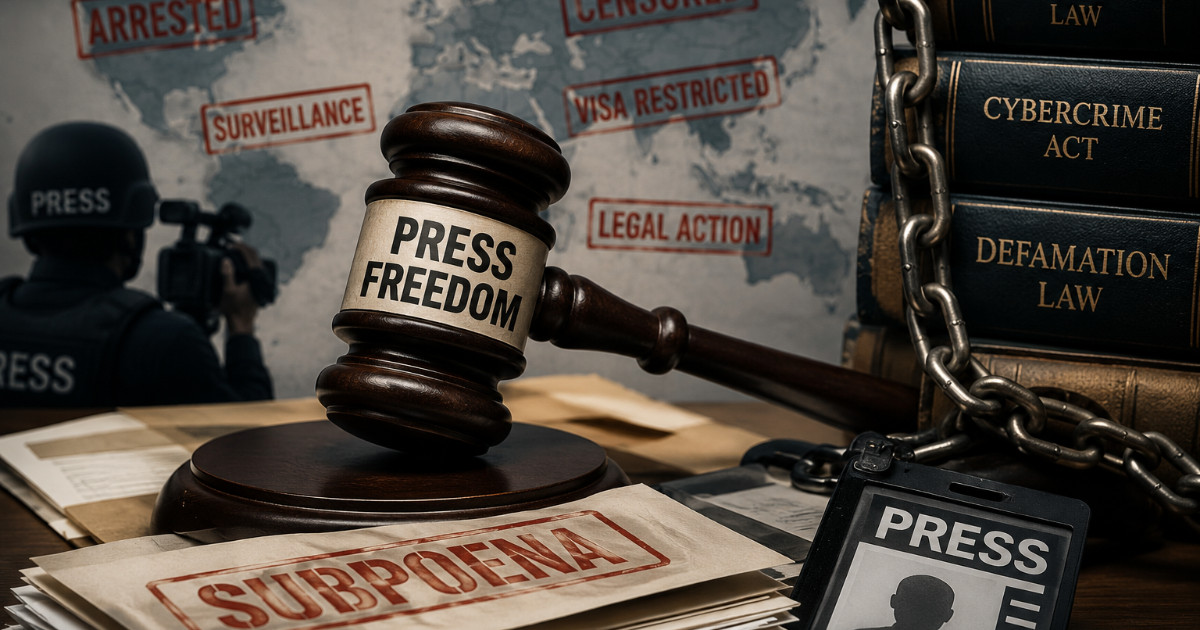
ISLAMABAD—The Pakistan Federal Union of Journalists (PFUJ) is staging a historic sit-in outside the parliament against the government plans to establish a new headquarter of censorship in the name of Pakistan Media Development Authority (PMDA).
The PFUJ has appealed to the entire journalists' community, civil society, human rights groups, trade unions, workers' associations, students' groups, digital rights advocates, and the citizens to join the dharna on the eve of the President of Pakistan's annual address to the joint sitting of the Senate and National Assembly scheduled for September 13.
"It is time for unity around a common cause. The proposed PMDA will regulate the media sector and serve as the central censorship office of the state aimed at regulating the freedoms of expression of all citizens of Pakistan," a statement by PFUJ President Shahzada Zulfiqar and General Secretary Nasir Zaidi said.
"We are appealing to all sections of media, civil society, and citizens from all walks of life to join and participate in the peaceful PFUJ dharna on the morning of September 13, 2021, outside the National Assembly in Islamabad," they said.
A dharna camp will be established in front of parliament on Sunday night (September 12), and the leadership will spend the night in the base till the conclusion of the joint sitting of the parliament on Monday.
"The dharna aims to demonstrate solidarity and pooling widespread support against the creation of PMDA and strategizing the protection of freedom of expression of citizens, defending the rights of journalists and pre-empting the planned assault on independent media in the country," the statement said.
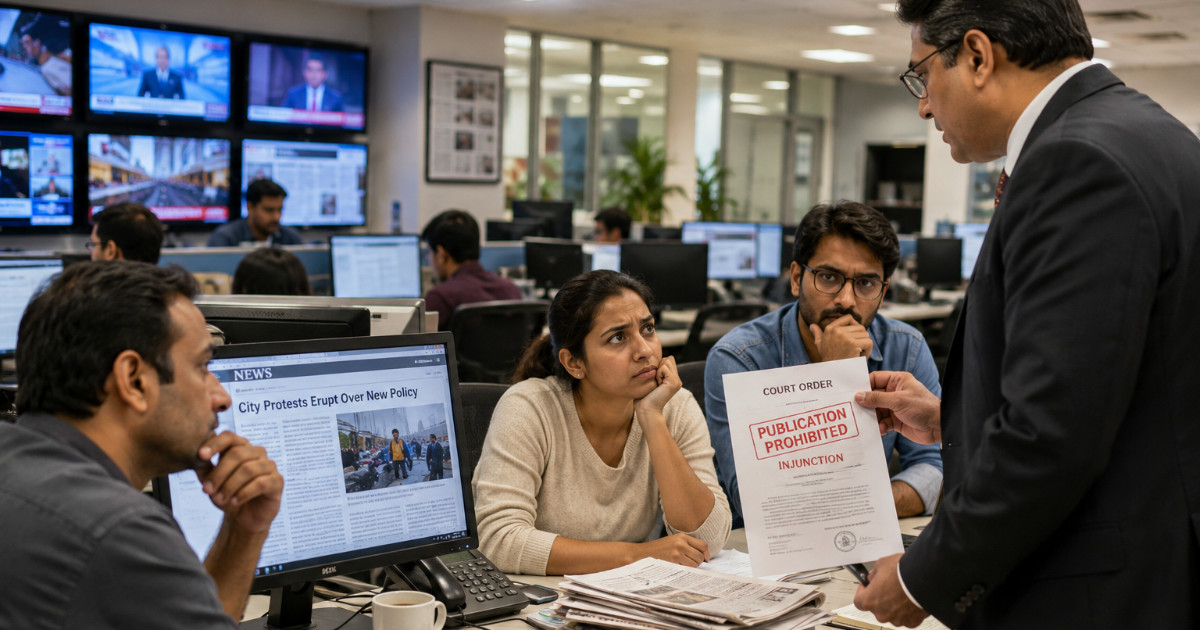
The PFUJ leaders said that the continuous onslaught by the government against the rights of media workers, the safety of journalists, and their economic strangulation had reached its highest limits ever, leaving the media sector teetering on the brink of collapse.
"The PMDA is a planned one-window operation to impose widespread censorship through pooling of the budgets of several media regulators thereby providing massive resources to government proxies to crack down on the media so that it becomes totally captured and too weak to provide professional coverage of upcoming elections."
"The proposed PMDA, therefore, is not just a media manipulation mechanism, it will also serve to undermine democracy and parliamentary system, which is why it is necessary for all journalists, workers, students, teachers, lawyers, activists, and other citizens to join this dharna to foil the nefarious designs against democracy and free media in Pakistan," the PFUJ leaders added.
Shahzada Zulfiqar and Nasir Zaidi urged the entire media community and civil society to show unity and commitment for the rights of journalists and citizens' rights to freedom of expression and access to information by opposing the coming "media martial law."
Key Points
- PFUJ stages a sit-in against PMDA plans on September 13.
- Activists, journalists, and citizens are urged to join in solidarity.
- The PMDA aims to regulate media, threatening freedom of expression.
- PFUJ leaders stress unity for the protection of journalists' rights.
- Government pressure on the media sector is at an unprecedented level.
Relevant Topics
Ask AI: Understand this story your way
AI EnabledDig deeper, ask anything — get instant context, background, and clarity.
Disclaimer: This feature is powered by AI and is intended to help readers explore and understand news stories more easily. While we strive for accuracy, AI-generated responses may occasionally be incomplete or reflect limitations in the underlying model. This feature does not represent the editorial views of JournalismPakistan. For our full, verified reporting, please refer to the original article.