
UN Human Rights Committee asks Pakistan about crimes against journalists
JournalismPakistan.com | Published: 22 July 2017
Join our WhatsApp channel
The UN Human Rights Committee reviewed Pakistan's commitment to human rights, highlighting severe issues regarding journalistic safety and freedom of expression. Concerns were raised about impunity for crimes against journalists and the regulatory powers of PEMRA.Summary
GENEVA - There has been a clear deterioration in the safety of journalists, the problem of impunity and freedom of expression online, says a report submitted to the 120th session of UN Human Rights Committee in Geneva by Pakistan Press Foundation (PPF), in collaboration with IFEX.
IFEX is the global network defending and promoting the right to freedom of expression and information, and RIDH, the International Network of Human Rights.
The recommendations in the report say the government should appoint special prosecutors for attacks on journalists, start monitoring the judicial process, and ensure implementation of minimum laws that it has for the harassment of women in the workplace.
There is a need to revisit the extent of powers that are enjoyed by the regulatory authorities, especially by PEMRA: before taking action against the media they should get judicial approval, or there should be a fair process.
The Pakistan Electronic Crimes Act (PECA) also needs to be revisited. “We need to look again at the defamation laws and bring them in line with the minimum requirements which are there. These are the very minimum things that the government should do if it claims to be promoting freedom of expression.”
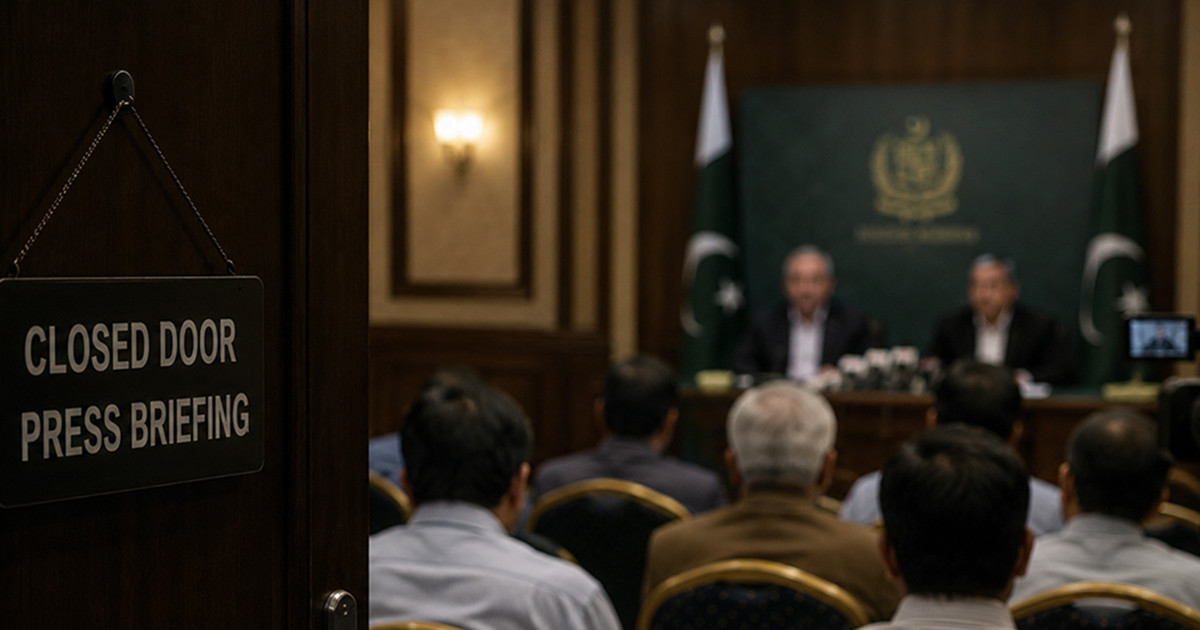
Pakistan was reviewed for the first time by the UN Human Rights Committee on July 11 and 12. The committee, which consists of 18 independent experts, is mandated to oversee the implementation of the International Covenant on Civil and Political Rights. Pakistan ratified the ICCPR in 2010, and as such is bound to respect it.
The UNHRC met to analyze the situation in Pakistan and will make recommendations aimed at promoting and protecting human rights in the country.
The Committee had highlighted in its List of Issues (shared with Pakistan prior to the meeting) its concerns about increasing control of telecommunications by the state and several Pakistani agencies, such as the Pakistan Telecommunications Authority (PTA), as well as the censorship of television programs and websites.
During the examination of Pakistan, the UN Human Rights Committee tackled issues regarding freedom of expression, including blasphemy legislation and anti-terror laws, impunity for crimes committed against journalists, and an overly restrictive environment for the electronic media and film industry. Despite these concerns, the government delegation insisted that there is an “unprecedented level of freedom of the media available in Pakistan” and further claimed that all cases of terrorist violence against the media are addressed by the government and the judiciary, despite the evidence of high impunity presented by civil society organizations.
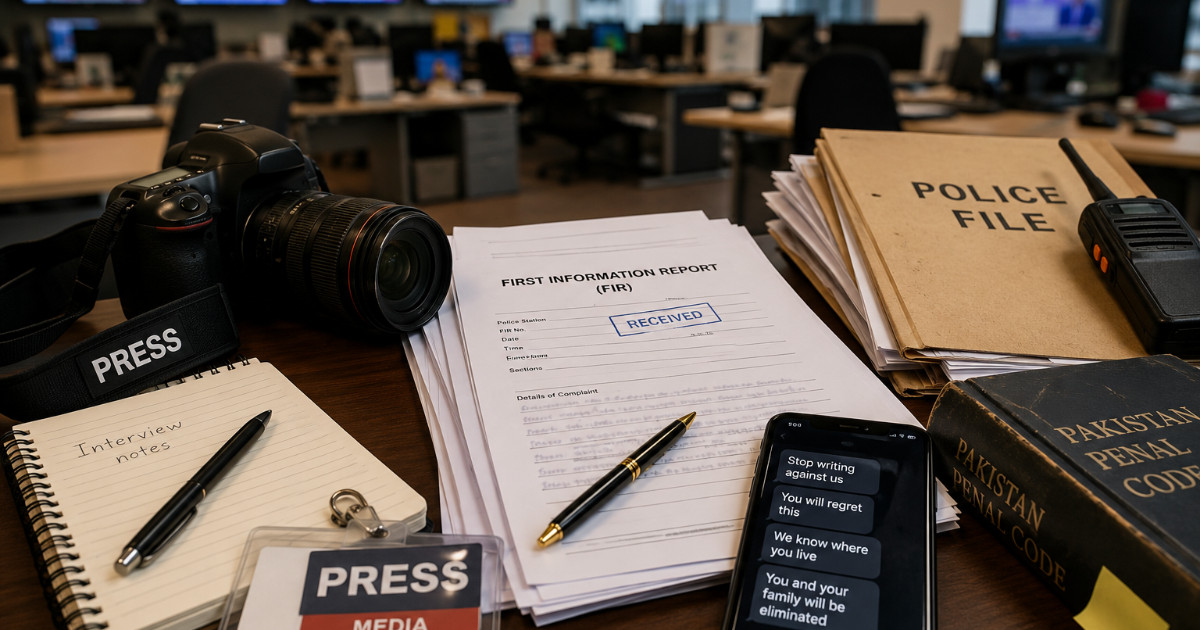
The experts on the committee noted concerns regarding impunity for crimes committed against journalists and cited PPF’s figures, stating that 73 journalists had been killed since 2002 with only five convictions for these crimes thus far.
The committee requested detailed information and statistics regarding crimes against journalists and subsequent investigations, prosecutions and convictions, as well as the same information regarding other crimes.
In response, the Pakistani delegation stated that the allegations of a culture of impunity were inaccurate and alleged that crimes against journalists were a result of terrorists attempting to silence the media. Pakistan government delegation stressed that it investigates all cases of attacks on journalists as well as allegations of crimes committed by state agencies. However, the government failed to provide statistics on the investigations, prosecutions and convictions of these crimes as requested on numerous occasions by committee members, confirming doubts about their commitment to fight impunity.
The committee also reminded the government that criminal sanctions for defamation, often used to target dissident voices in the media, are not in line with the CCPR, and questioned whether the government had any plans or had taken any action to decriminalize defamation. The committee also raised serious concerns regarding challenges to freedom of expression online and the increasingly antagonistic regulatory environment for the electronic media and film industry.
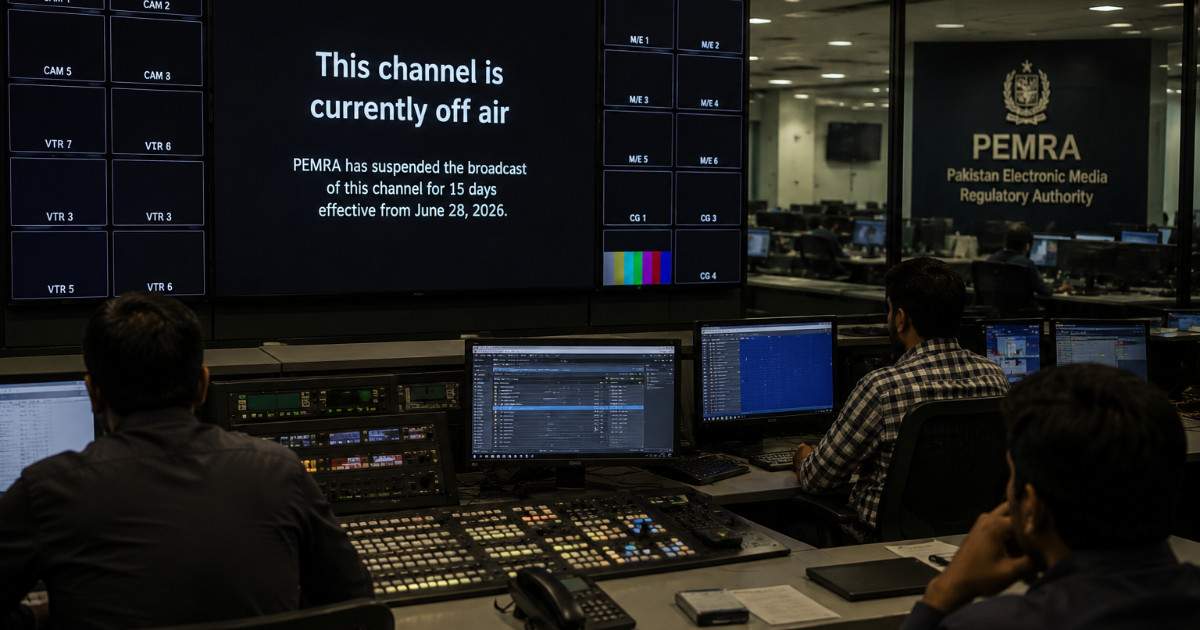
Members of the committee also raised concerns regarding the Code of Conduct issued by the Pakistan Electronic Media Regulatory Authority. The committee noted that there had been more than 20 suspensions of media channels in the past four years, and wondered what safeguards and oversight mechanisms were in place to ensure the authority did not violate freedom of expression. The delegation did not respond to these concerns.
One expert raised numerous concerns about the broad powers of the PTA expanded through the 2016 Prevention of Electronic Crimes Act (PECA). This law enables the state body to restrict access to information and issue guidelines to information service providers on the internet without judicial oversight. Despite the government’s claim that the powers granted to the PTA are aligned with international standards, one expert requested detailed information on how this is possible without independent judicial oversight.
In response to these concerns, the Pakistani delegation explained that open consultations in the drafting of PECA had been held, however, it noted that submissions received from civil society were vague; and, the delegation added, the final version of the act was a reasonable compromise between opposing opinions. They also ensured that there is a system of checks and balances within the PECA and that the powers of the PTA must be in line with the Constitution ensuring sufficient limitations on power.
Now that the Human Rights Committee has completed its initial examination of Pakistan, it will take note of the current human rights situation in the country and publish its Concluding Observations on July 28, 2017. This document, which will include a list of recommendations, will provide the government with concrete steps it should take to amend its human rights record; it will also equip civil society with the tools they need to efficiently pressure the government to make the necessary changes.
Responding to Pakistan’s UN review, Owais Aslam Ali, Secretary General of PPF, stressed two main sources of limitations on freedom of expression – threats to the physical safety of journalists and the policy framework in Pakistan. He said restrictions implemented by the Pakistan Electronic Media Regulatory Authority (PEMRA) as reminiscent of the days of dictatorship.
Ali hoped that the government would be more forthcoming in its written responses and take the safety of journalists seriously. He welcomed the government’s decision to set up an endowment fund for journalists who are injured or killed, but added that it does not address the issue of bringing to justice those who inflict violence on journalists. Unless you tackle the impunity, simply paying the victims is not going to end attacks on journalists, Ali said.
Matthew Redding, Campaigns and Advocacy Coordinator of the International Freedom of Expression Exchange (IFEX), noted that these limitations on freedom of expression have resulted in a citizenry that is deprived of important information. He said government delegation seemed in many cases reluctant to even acknowledge there was a problem. Even when presented with very credible information from the experts, particularly with regards to threats against journalists and the violence that they faced, they seemed to pin this almost entirely on terrorists rather than accepting any sort of government responsibility for these attacks. – Pakistan Press Foundation
Key Points
- UN Committee reviewed Pakistan's human rights situation.
- Serious concerns about journalist safety and impunity were highlighted.
- Recommendations for appointing special prosecutors for attacks on journalists were made.
- Issues regarding internet censorship and media regulation by the government were discussed.
- Pakistan's delegation faced criticism over lack of accurate data on crimes against journalists.
Relevant Topics
Ask AI: Understand this story your way
AI EnabledDig deeper, ask anything — get instant context, background, and clarity.
Disclaimer: This feature is powered by AI and is intended to help readers explore and understand news stories more easily. While we strive for accuracy, AI-generated responses may occasionally be incomplete or reflect limitations in the underlying model. This feature does not represent the editorial views of JournalismPakistan. For our full, verified reporting, please refer to the original article.