Why publishers want AI companies to pay Amar Guriro: Journalism's future is human-AI partnership The JournalismPakistan Global Media Brief | Edition 23 | June 5, 2026 As AI reshapes news, publishers seek a sustainable future Every frame at a cost: The safety crisis facing Pakistan's camerapersons Why journalists are increasingly targeted in conflict zones What the 60 Minutes controversy means for TV journalism Zee secures FIFA World Cup rights in India through 2030 How fact-checkers verify viral videos during breaking news Pentagon restrictions on reporters draw media backlash Israel-Lebanon talks proceed as conflict hinders reporting Why governments are tightening controls on foreign journalists China condemns US restrictions on Xinhua reporter Taiwan condemns China over New York Times reporter expulsion The biggest threats facing journalism in Asia today Why publishers want AI companies to pay Amar Guriro: Journalism's future is human-AI partnership The JournalismPakistan Global Media Brief | Edition 23 | June 5, 2026 As AI reshapes news, publishers seek a sustainable future Every frame at a cost: The safety crisis facing Pakistan's camerapersons Why journalists are increasingly targeted in conflict zones What the 60 Minutes controversy means for TV journalism Zee secures FIFA World Cup rights in India through 2030 How fact-checkers verify viral videos during breaking news Pentagon restrictions on reporters draw media backlash Israel-Lebanon talks proceed as conflict hinders reporting Why governments are tightening controls on foreign journalists China condemns US restrictions on Xinhua reporter Taiwan condemns China over New York Times reporter expulsion The biggest threats facing journalism in Asia today
Logo
Janu
Track Global Media Layoffs

Abusing me on social media won't change international opinion: Hussain Haqqani

 JournalismPakistan.com |  Published: 22 December 2018

Join our WhatsApp channel
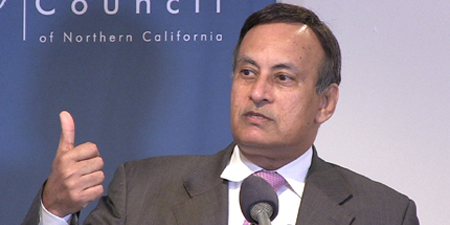
Abusing me on social media won't change international opinion: Hussain Haqqani
Hussain Haqqani has criticized the backlash he faces on social media, highlighting that constructive discourse is necessary to influence international opinions. He recently launched his book 'Reimagining Pakistan' amidst protests.

Former diplomat and writer, Husain Haqqani, has blasted Pakistanis who continue to abuse him on social media and call him a 'traitor.'

In a video tweet, Haqqani said: "I am being abused on local television, Twitter and other social media sites. I am also called a 'traitor'. Do such kind of things change international opinions? People read books and articles. They listen to speeches. Such way opinions are changed. You must also read books, reply arguments with arguments, write articles in reply to articles. By abusing, you will only get appraised by your own people and not by people in Washington."

Haqqani, who is currently serving as the Director for South and Central Asia at the Hudson Institute, launched his book titled 'Reimagining Pakistan: Transforming a Dysfunctional Nuclear State' in Washington DC during the Saath Conference, 2018 on December 17.

During the launch, a few Pakistanis protested outside the venue and also tried to interrupt the event.

Haqqani tweeted a picture of the protesters and said, "A big thank you to @PTIofficial for organizing a demo against #SaathConference2018, thereby proving that even a few dissidents can scare #Pakistan's military-backed ruling party. Weak foundation?"

Haqqani remained Pakistan's ambassador to the United States from 2008 to 2011. He is a critic of Pakistan's policies.

He has written several books including 'Pakistan: Between Mosque & Military' and 'Magnificent Delusions.' - Agencies/Photo: YouTube

Key Points

  • Hussain Haqqani addresses online abuse calling him a 'traitor'.
  • He emphasizes the need for informed debate over social media attacks.
  • Haqqani launched his book 'Reimagining Pakistan' in Washington D.C.
  • Protests occurred during the book launch, showcasing dissent.
  • He served as Pakistan's ambassador to the U.S. from 2008 to 2011.

Ask AI: Understand this story your way

AI Enabled

Dig deeper, ask anything — get instant context, background, and clarity.

Not sure what to choose? Try one of these.

The AI generates results based on your selected options
Your AI-generated results will appear here after you click the button.

Disclaimer: This feature is powered by AI and is intended to help readers explore and understand news stories more easily. While we strive for accuracy, AI-generated responses may occasionally be incomplete or reflect limitations in the underlying model. This feature does not represent the editorial views of JournalismPakistan. For our full, verified reporting, please refer to the original article.
Dive Deeper

Newsroom
Why publishers want AI companies to pay

Why publishers want AI companies to pay

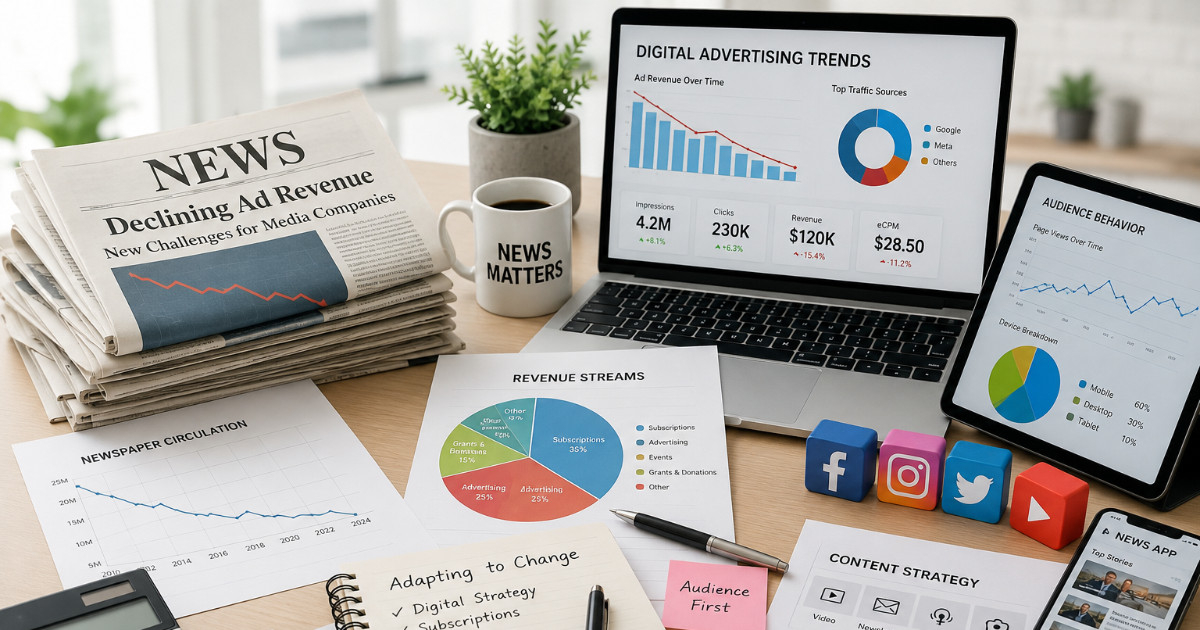
 June 06, 2026 Publishers want AI firms to pay for using their news to train models and power chatbots, arguing they deserve licensing fees and stronger copyright protection.


Amar Guriro: Journalism's future is human-AI partnership

Amar Guriro: Journalism's future is human-AI partnership

 June 05, 2026 Amar Guriro, founder of Pakistan's first AI-powered news platform, says journalism's future rests on human-AI collaboration to improve reporting while preserving editorial oversight.


The JournalismPakistan Global Media Brief | Edition 23 | June 5, 2026

The JournalismPakistan Global Media Brief | Edition 23 | June 5, 2026

 June 05, 2026 Global Media Brief reviews pressures reshaping journalism, press freedom, AI and platform power, and reports BBC's Emmy, 60 Minutes turmoil and Taiwan's protest.


As AI reshapes news, publishers seek a sustainable future

As AI reshapes news, publishers seek a sustainable future

 June 05, 2026 At the World News Media Congress in Marseille, publishers discussed how generative AI is altering newsroom workflows, audience engagement and content licensing.


Why journalists are increasingly targeted in conflict zones

Why journalists are increasingly targeted in conflict zones

 June 04, 2026 Journalists in conflict zones face rising danger as combatants, states and militias increasingly target independent reporting to control narratives.


Popular Stories