
PFUJ urges prime minister to resolve crisis facing media urgently
JournalismPakistan.com | Published: 15 April 2022
Join our WhatsApp channel
The Pakistan Federal Union of Journalists has urged Prime Minister Shahbaz Sharif to prioritize resolving the ongoing media crisis. They emphasize the damage caused by previous government policies and demand immediate action to revive the media industry and protect journalistic freedoms.Summary
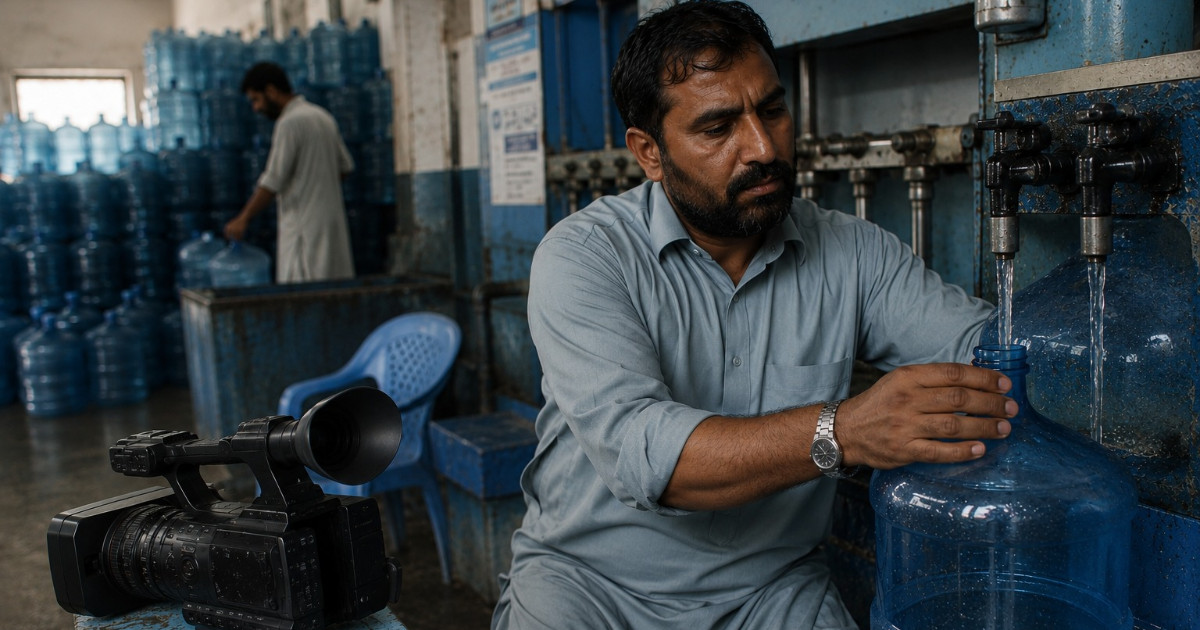
ISLAMABAD—The Pakistan Federal Union of Journalists (PFUJ) has urged Prime Minister Shahbaz Sharif to play a priority role in line with his commitment in his inaugural speech in the National Assembly as the new premier to resolving the problems faced by journalists. PFUJ President Shahzada Zulfiqar and Secretary-General Nasir Zaidi urged the newly elected government under Shahbaz Sharif to take concrete measures to revive the media industry. The industry is floundering due to the vindictive policies of the Imran Khan government, which massively manipulated various laws and regulations for gagging media and suppressing freedom of expression and freedom of the press. “Coercive censorship, persistent press advice, draconian proposals like Pakistan Media Development Authority and mala fide provisions like Section 6 of the federal journalists’ protection bill are examples of how the Pakistan Tehreek-e-Insaf government continued to conspire against democratic and media freedoms,” PFUJ said. “Constitutional guarantees of freedom of expression and right to information are supreme and have overriding effect over all laws; therefore, the PFUJ demands immediate reversal of the PTI policies of intimidation, and undo all mala fide provisions in all media-related laws and regulations.” Zulfiqar and Zaidi said under the PTI regime, journalists and other media workers across Pakistan faced retrenchments, pay cuts, growing salary arrears, wage board violations, an intimidating media policy environment, and a deliberate contracting of the media economy. “The previous government, which lost a vote of no-confidence, withheld advertisements of several media outlets forcing the media houses to either retrench workers, force out journalists or substantially reduce their salaries and emoluments. The pandemic added financial hardships to media houses prompting them to make late payments to their workers or close offices or bureaus altogether without paying dues to media employees,” the PFUJ leaders said. Resultantly, they added, massive unemployment among media persons has rendered them financially desperate, quit journalism, and become vendors. Some were even forced into tragic suicides and majorly impacted media freedoms and the quality of democracy. “Taking advantage of the situation, the media houses did not implement the 8th Wage Board Award besides refusing to make pending payments with the result that thousands of media workers have not been paid their dues for years – this situation must change if the journalists, journalism and democracy have to be saved,” they said.
“All pending payments to media houses, including those audited under the previous Pakistan Muslim League-N government, must be released immediately,” they added. “We call upon Prime Minister Shahbaz Sharif to urgently convene a meeting of representative associations of media owners, media managers, media workers, and the relevant government departments to sort out the adverse issues faced by the industry.” “We also urge that all payments in lieu of government advertisements be made with the caveat that the media owners will clear all dues of media workers, restore perks and privileges of media employees, withdraw the pay cuts and extend all facilities to media employees, including the right to form unions,” the PFUJ leadership added. Zulfiqar and Zaidi hoped that their demands would be considered by the government on a priority basis and result in immediate concrete steps to address the problems faced by all media workers. They added that their 18-point charter of demands, pending with the Ministry of Information and Broadcasting, should be the starting point of a mutually beneficial dialogue between the media industry and the government.
Key Points
- PFUJ demands urgent action from PM Shahbaz Sharif to address media issues.
- Previous government policies led to severe challenges for journalists.
- PFUJ's 18-point charter calls for dialogue between media and government.
- Media houses must clear pending payments to workers to restore stability.
- Restoration of media workers' rights and protections is essential.
Relevant Topics
Ask AI: Understand this story your way
AI EnabledDig deeper, ask anything — get instant context, background, and clarity.
Disclaimer: This feature is powered by AI and is intended to help readers explore and understand news stories more easily. While we strive for accuracy, AI-generated responses may occasionally be incomplete or reflect limitations in the underlying model. This feature does not represent the editorial views of JournalismPakistan. For our full, verified reporting, please refer to the original article.