
Iran revokes New York Times correspondent's accreditation
JournalismPakistan.com | Published: 11 June 2019
Join our WhatsApp channel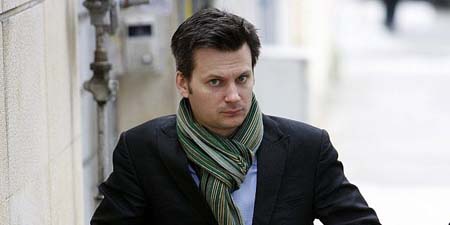
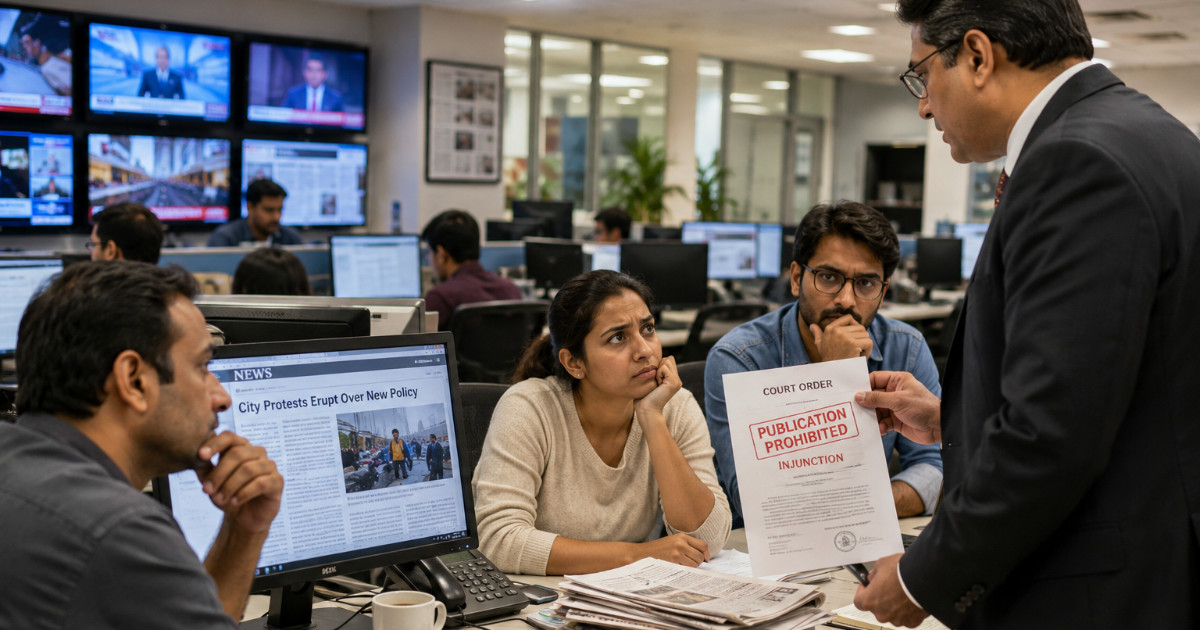
Iran has revoked the press accreditation of Thomas Erdbrink, the New York Times correspondent in Tehran, without explanation. This revocation occurs amidst rising tensions between the US and Iran related to the nuclear deal.Summary
DUBAI, United Arab Emirates—Iran has revoked the press accreditation for The New York Times’ correspondent based in Tehran without explanation, the newspaper reported Tuesday.
While the newspaper said it remained hopeful Thomas Erdbrink (pictured) soon would be allowed to work again, the revocation comes amid heightened tensions between the US and Iran stemming from US President Donald Trump’s withdrawal from Tehran’s nuclear deal with world powers a year ago.
Iran pulled Erdbrink’s government-required authorization to work as a journalist four months ago, the Times said. He’s been unable to work since February and the Times said it decided to go public with his situation “after recent speculation and comments on social media.”
“Officials of Iran’s Foreign Ministry have repeatedly assured The Times that Mr. Erdbrink’s credential would soon be restored but have offered no explanation for the delays or for why it was revoked,” the Times reported, quoting international editor Michael Slackman. “He added that there are some indications this will be resolved soon.”
Iran’s mission to the United Nations did not immediately respond to a request for comment. There was no immediate response in Iranian state-run media.
Erdbrink, a Dutch national, previously worked as a correspondent for The Washington Post as well. He’s married to Iranian photographer Newsha Tavakolian, who is represented by the Magnum photo agency.
Both he and Tavakolian were the focus of “Our Man in Tehran,” a 2018 documentary about his work and life as a Western journalist in Iran.
Journalists in Iran face harassment from security services, while others have been imprisoned for their work. While local journalists face the brunt of that, foreign journalists in Tehran, especially those with Western ties, have been imprisoned as well.
The last major case involved Iranian-American reporter Jason Rezaian of the Washington Post, who was convicted in an internationally criticized, closed-door espionage trial in 2015. A 2016 prisoner swap negotiated between Iran and the US amid the start of the nuclear deal freed Rezaian and three other Iranian-Americans in exchange for pardons or charges being dropped against seven Iranians. That deal also saw the US make a $400 million cash delivery to Iran.—AP
Key Points
- Iran revoked Thomas Erdbrink's press accreditation without explanation.
- Erdbrink has been unable to work since February.
- Tensions between the US and Iran have heightened following the nuclear deal withdrawal.
- Iran's Foreign Ministry has assured the Times that Erdbrink's credentials would be restored.
- Journalists in Iran often face harassment and imprisonment.
Relevant Topics
Ask AI: Understand this story your way
AI EnabledDig deeper, ask anything — get instant context, background, and clarity.
Disclaimer: This feature is powered by AI and is intended to help readers explore and understand news stories more easily. While we strive for accuracy, AI-generated responses may occasionally be incomplete or reflect limitations in the underlying model. This feature does not represent the editorial views of JournalismPakistan. For our full, verified reporting, please refer to the original article.