.png)
90 percent of journalists' killers not convicted: UNESCO
JournalismPakistan.com | Published: 1 November 2019
Join our WhatsApp channel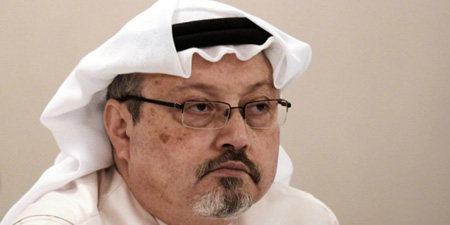
A UNESCO report reveals that 90% of those responsible for journalist killings worldwide remain unconvicted. It highlights a troubling trend where most killings occur in non-conflict areas, particularly among local journalists.Summary
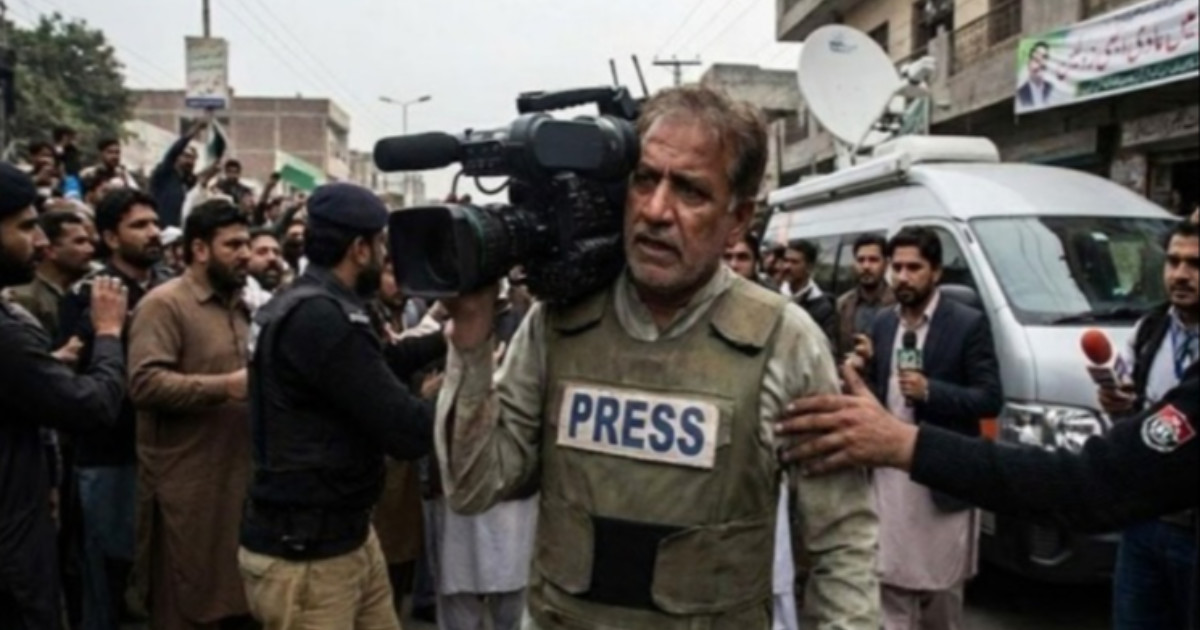
In the past two years (2017-2018), 55 percent of journalists' killings happened in non-conflict zones, highlighting the rising trend of newsmen being targeted for their reporting on politics, crime, and corruption, the UNESCO has said in a report.
The UNESCO further notes that nearly 90 percent of those responsible for the killing of 1,109 journalists around the world from 2006 to 2018 have not been convicted.
The report shows that in the past two years (2017-2018), 55 percent of journalists' killings happened in non-conflict zones. This trend exemplifies the changing nature of the murder of journalists, who are often targeted because of their reporting on politics, crime, and corruption.
The report — Intensified Attacks, New Defences — was published a day ahead of International Day to End Impunity for Crimes against Journalists on November 2.
The report also recorded an 18 percent increase in killings of journalists in the past five years (2014-2018) compared to the previous 5-year period. The Arab states make up the deadliest part of the world for journalists, accounting for 30 percent of the killings, followed by Latin America and the Caribbean region (26%) and the Asia and Pacific States (24%), the report said.
UNESCO has so far recorded fewer killings in 2019 than at the same time last year, with 43 journalist killings condemned by the organization's director-general as of October 30, 2019, compared to 90 at the same date in 2018.
"UNESCO holds to account all those who put journalists at risk, all those who kill journalists, and all those who do nothing to stop this violence," UNESCO Director-General Audrey Azoulay said.
Meanwhile, UNESCO is launching the #KeepTruthAlive global communication campaign developed pro bono by the creative agency Doyle Dane Bernbach (DDB Paris). The campaign aims to draw attention to the dangers faced by journalists close to home. The report said 93 percent journalists who are killed are local journalists. — Agencies/Photo: AFP
Key Points
- 90% of journalist killers remain unconvicted according to UNESCO.
- 55% of journalist killings occurred in non-conflict zones (2017-2018).
- 18% increase in journalist killings reported over the last five years.
- Arab states are the deadliest regions for journalists, followed by Latin America and Asia.
- UNESCO's #KeepTruthAlive campaign aims to raise awareness on journalist safety.
Ask AI: Understand this story your way
AI EnabledDig deeper, ask anything — get instant context, background, and clarity.
Disclaimer: This feature is powered by AI and is intended to help readers explore and understand news stories more easily. While we strive for accuracy, AI-generated responses may occasionally be incomplete or reflect limitations in the underlying model. This feature does not represent the editorial views of JournalismPakistan. For our full, verified reporting, please refer to the original article.