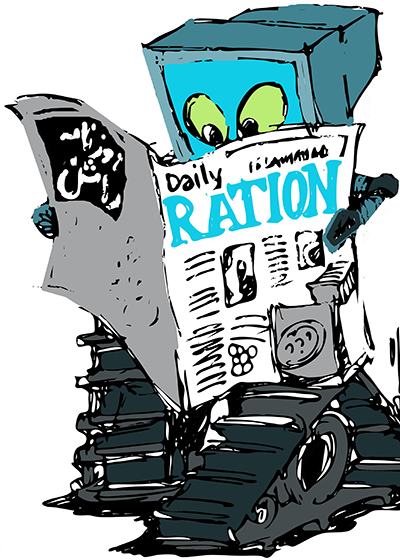

Cartoonist's sacking shows government cannot tolerate criticism: M. Ziauddin
JournalismPakistan.com | Published: 29 September 2019
Join our WhatsApp channel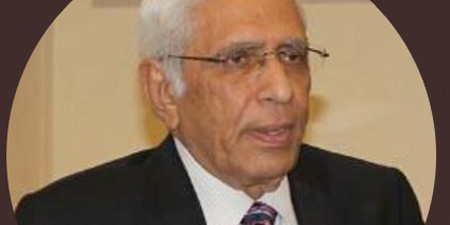
Veteran journalist M. Ziauddin condemned the dismissal of cartoonist Khalid Hussain from The Nation. He argued this reflects a government's inability to handle criticism.Summary
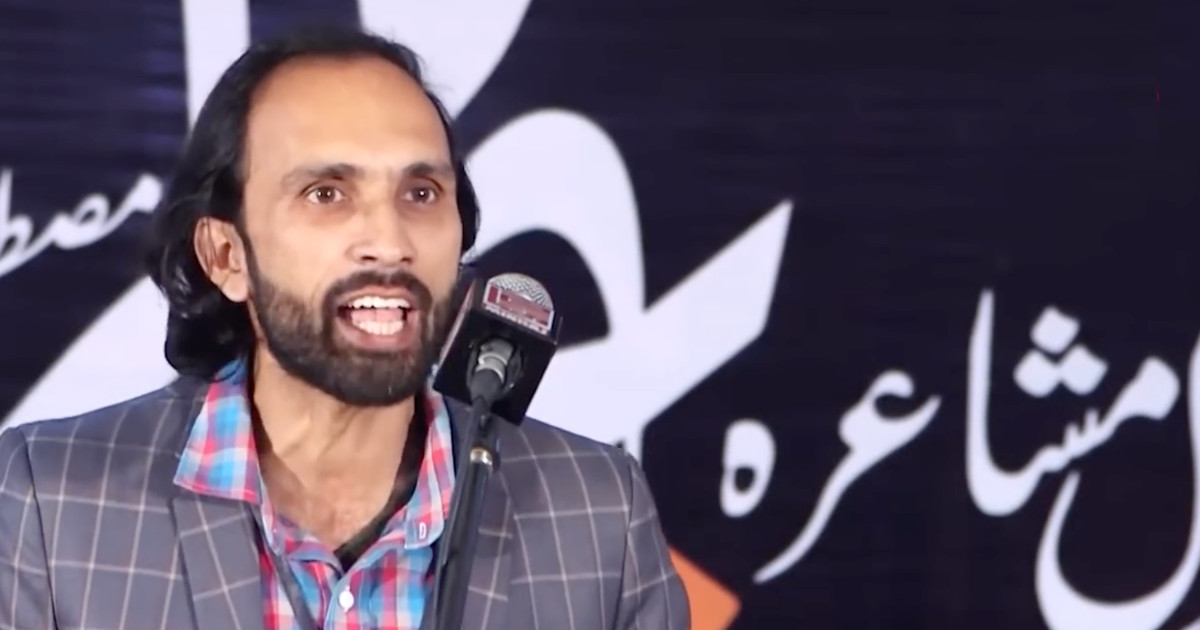
ISLAMABAD — Veteran journalist M. Ziauddin (pictured) has opposed the sacking of Khalid Hussain from The Nation, saying it shows that Pakistan Tehreek-e-Insaf government is weak and sensitive to any dissent and criticism.
“One can see this government is so weak that it cannot tolerate any satire or criticism,” Ziauddin told BBC Urdu. He said in the last one, and a half year, there is a clear self-censorship in the media. “Those who don’t toe this censorship have to pay the price.”
The controversial cartoon published on the paper’s editorial page on September 25 angered the government. It showed PM Khan drawing a carriage that has American President Donald Trump dangling a ‘mediation’ carrot in front of him, with Indian Prime Minister Narendra Modi seated.
The Nation apologized for publishing the artwork on September 26. “We would like to apologise deeply for a cartoon that appeared on our pages. The artwork fell short of our standards and does not reflect our editorial policy. It should never have appeared.”
Ziauddin said it was inappropriate that a cartoonist has to lose job for a cartoon in which the prime minister has been lampooned.
He added that when a cartoonist makes a cartoon, or a columnist writes an article, “they cannot get them published directly unless cleared by the editorial staff or the editor.” He said every newspaper has an editorial policy and the editor is responsible for whatever is published in the newspaper.
Photo: Twitter (@MuhammadZiauddin)
Key Points
- M. Ziauddin opposes the sacking of cartoonist Khalid Hussain.
- The government is seen as sensitive to satire and criticism.
- Media self-censorship has increased in the last year and a half.
- The Nation issued an apology for publishing the controversial cartoon.
- Editors are responsible for the contents published in newspapers.
Relevant Topics
Ask AI: Understand this story your way
AI EnabledDig deeper, ask anything — get instant context, background, and clarity.
Disclaimer: This feature is powered by AI and is intended to help readers explore and understand news stories more easily. While we strive for accuracy, AI-generated responses may occasionally be incomplete or reflect limitations in the underlying model. This feature does not represent the editorial views of JournalismPakistan. For our full, verified reporting, please refer to the original article.