.png)
Reporting on military, religion, a taboo in Pakistan, says journalist in exile Taha Siddiqui
JournalismPakistan.com | Published: 12 March 2018
Join our WhatsApp channel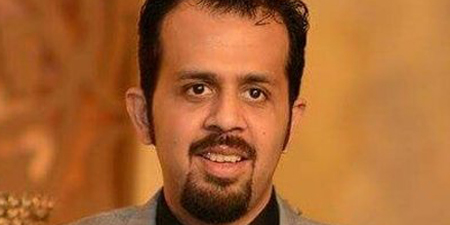
Taha Siddiqui, a journalist in exile, reveals the risks of reporting on military and religious matters in Pakistan. He shares his personal experiences with threats and censorship, emphasizing the increasing crackdown on media freedom.Summary
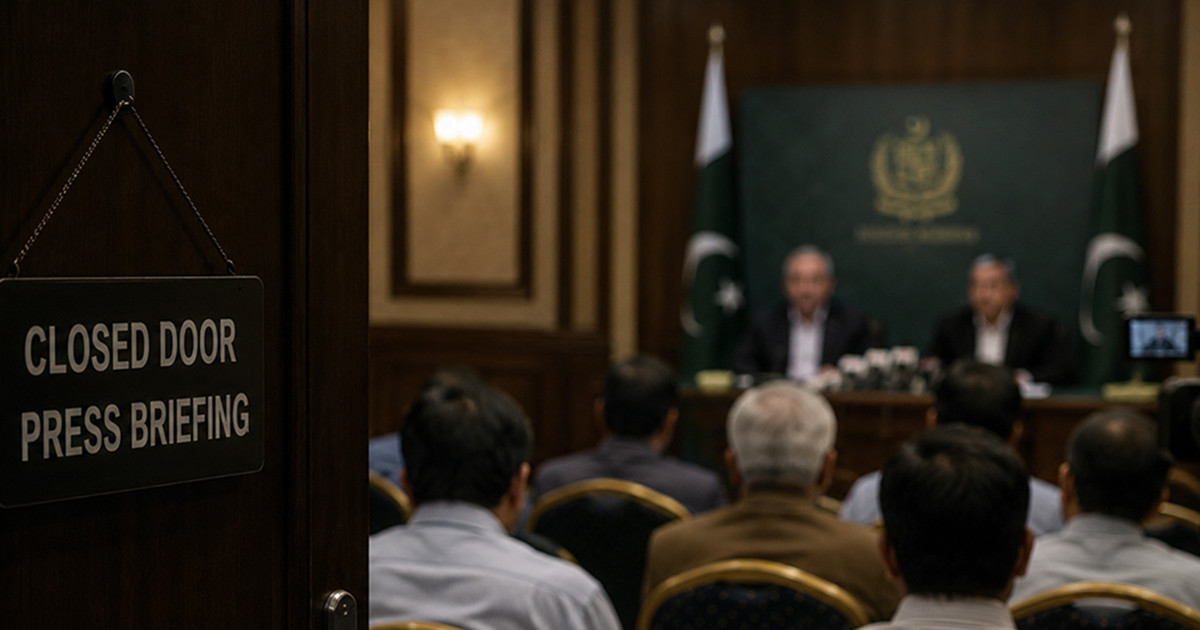
Reporting on military and religion is a taboo in Pakistan and defying the convention can make things worse for a person, said a Pakistani journalist.
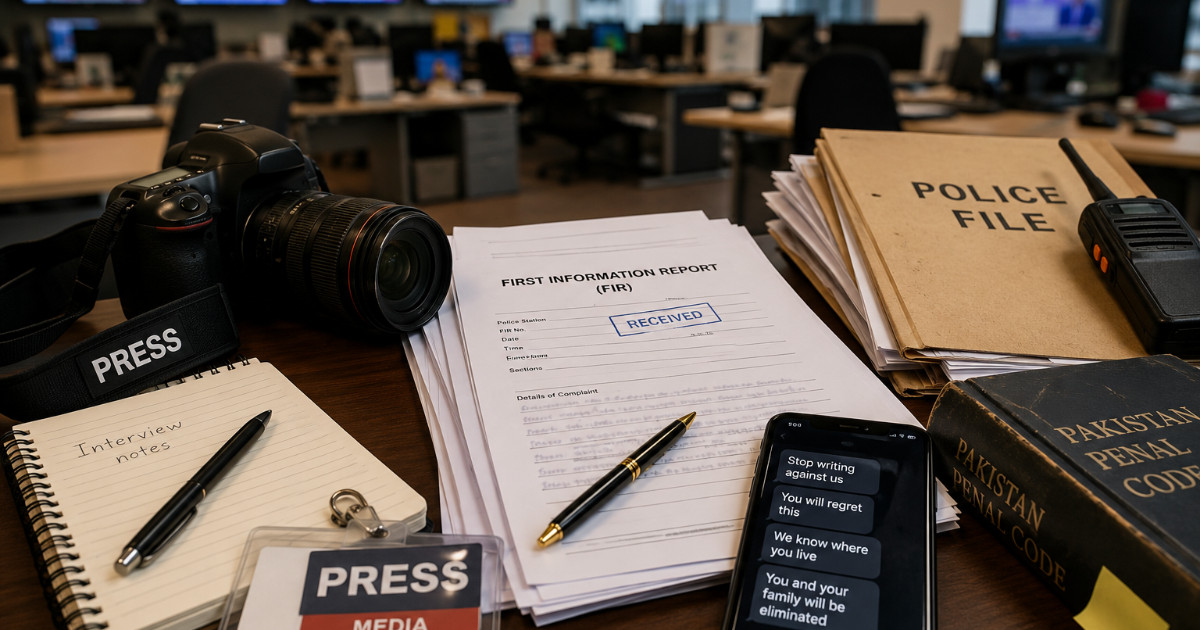
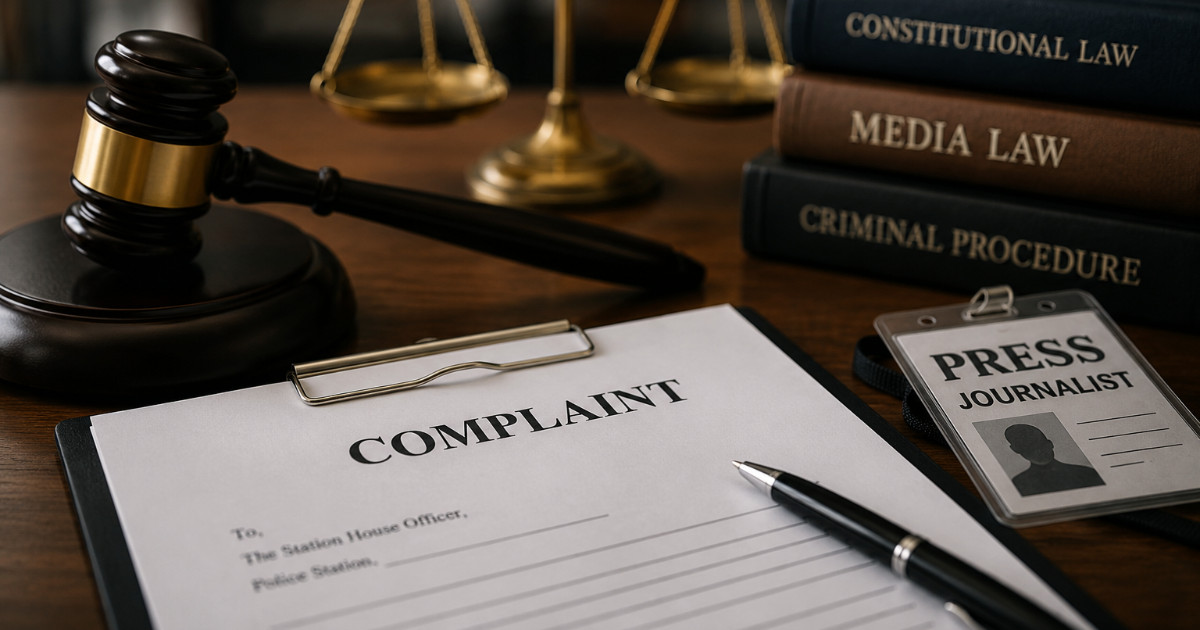
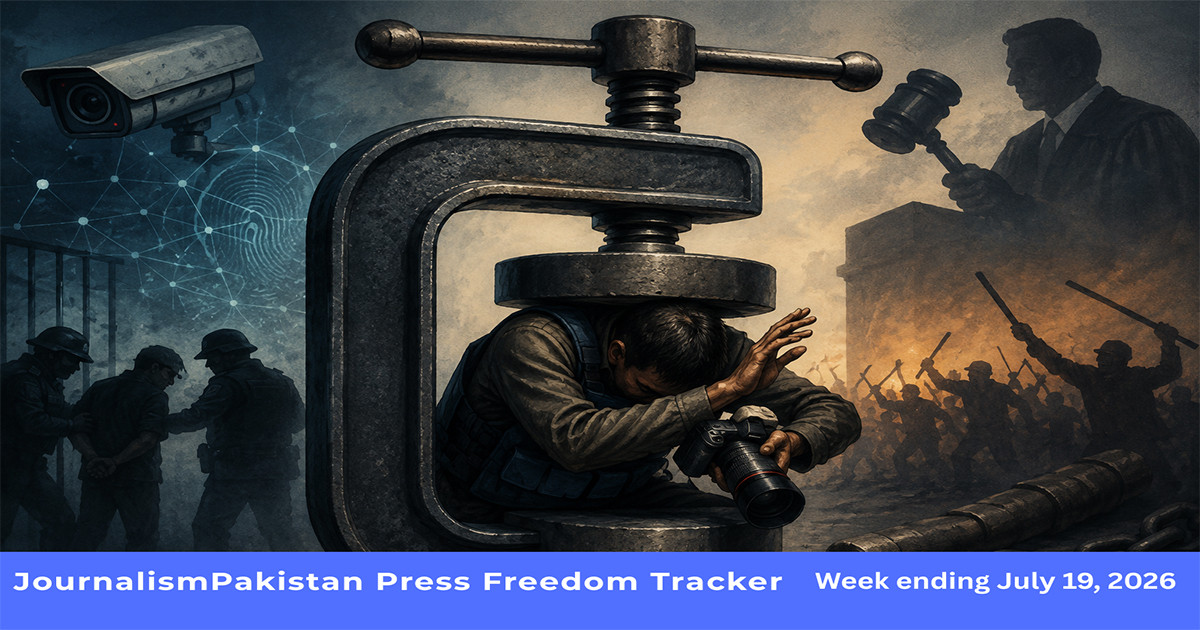
Journalist Taha Siddiqui, who has been living in exile in France, told ANI, "From an outsider's point of view, you can see that the Pakistani media talks a lot about their politicians, social issues, women rights and that seems as if the media is very vibrant, but when it comes to military and religion, you cannot talk about them and if you do so, you immediately become a target. " "These topics are a taboo in the country," he added. Siddiqui, who has been critical of the military establishment, himself escaped his abduction on January 10 this year, when he was on his way to the airport in Islamabad. Talking about the incident, he said, "Eight to ten armed men, who were well dressed and English speaking, tried to stop my taxi in a broad daylight at 8:30 am, they tried to take me away. Somehow, I miraculously escaped from them and then went to a police station, registered a police case." "I have been receiving threats for a long time from the Pakistani military, my friends in journalism and family members have also received such messages, that I should stop being critical of the Pakistani military and its policies," he added. He further said that had the armed men been successful in their mission, he would have joined the list of people who go missing for indefinite periods. "But fortunately, I got out of it and escaped then. Later on, I was told that they might come back as this time they failed in their mission and couldn't complete their assignment," said Siddiqui. "It was best for me to get out of the country and currently, I'm living in exile in Europe." The Pakistani journalist further said that the attack on media in Pakistan has been intensified in past two-three years. "You know journalism has been under attack for a long time in Pakistan, the nature of the attack and intensity has increased, especially in the last two-three years," Siddiqui said. "We have seen that there has been a massive crackdown against freedom of speech in the country and you know mainstream media's narrative was very controlled, the print media and the electronic media, especially the regional media and Urdu media, all are very controlled," he added. The exiled journalist went on to say that there's a lot of self-censorships people exercise because of the environment of fear and intimidation. Even financial obligations and financial squeezing happen for the mainstream media. But we have seen in last two-three years that they have come down on social media now. "I, myself, am very vocal sort of person on social media. I use social media as a tool for my journalism and I have seen that now they have been picking up on people, those are active on social media," he said, adding, "last year they picked-up five bloggers. He mentioned one of such incidents happened this year when activist Raza Khan, who was doing 'Aaghaz-e-Dosti', the youth-led voluntary initiative for India-Pakistan friendship, was abducted and he is still missing. He was very active on social media. "Similarly, with my case and other cases, you know, we were very active on social media and we have received calls from the military establishment that too, from serving officers in the military saying 'you tweeted this and you put this on Facebook, you should remove'," he said. "They call us to their offices and tell us 'you know that the trend, the trajectory of Pakistani freedom of speech and freedom of expression is going towards much more controlled sort of environment, where you can talk about certain things'." According to a report published by the United Nation's Press Freedom Index, Pakistan is consistently ranked low in the index. It is currently ranked 139 out of 180 countries. The country has seen enforced disappearances of journalists in the recent days. - ANI/Photo: Twitter(@TahaSSiddiqui)
Key Points
- Reporting on military and religion is considered taboo in Pakistan.
- Taha Siddiqui narrowly escaped an abduction attempt by armed men.
- Self-censorship among journalists has intensified due to fear of retaliation.
- The Pakistani media landscape faces significant control and restrictions.
- Pakistan ranks low in press freedom, currently at 139 out of 180 countries.
Relevant Topics
Ask AI: Understand this story your way
AI EnabledDig deeper, ask anything — get instant context, background, and clarity.
Disclaimer: This feature is powered by AI and is intended to help readers explore and understand news stories more easily. While we strive for accuracy, AI-generated responses may occasionally be incomplete or reflect limitations in the underlying model. This feature does not represent the editorial views of JournalismPakistan. For our full, verified reporting, please refer to the original article.