.png)
Morocco releases imprisoned journalists after pardons from King Mohamed VI
JournalismPakistan.com | Published: 30 July 2024 | Associated Press
Join our WhatsApp channel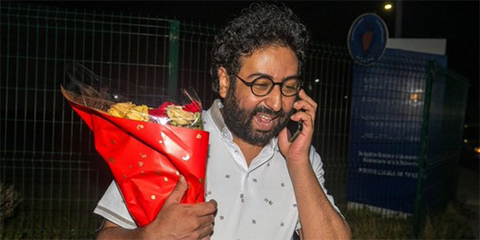
Three journalists imprisoned in Morocco for their reporting on corruption were pardoned by King Mohamed VI. Their release has sparked discussions on press freedom and human rights in the country.Summary
RABAT, Morocco—Three journalists who were sentenced to years in prison after writing about corruption and abuse of power in Morocco were released Monday after receiving pardons from King Mohammed VI.
Omar Radi, Taoufik Bouachrine, and Soulaimane Raissouni were among 2,278 people pardoned this week, according to Morocco's Ministry of Justice. The pardons were announced as Morocco prepared to celebrate its national holiday marking the 25th anniversary of when Mohammed VI ascended to the throne.
Moroccan law affords the king, as head of state, the power to grant such pardons, which apply to the journalists' prison sentences but not to the civil penalties or the money that courts ordered them to pay their accusers.
The journalists were freed from prison in Tiflet, a town east of Rabat, to a group of ecstatic supporters.
Human rights activists applauded the pardons but said the move didn't forgive what they have called the politically motivated manner in which Moroccan authorities pursued and prosecuted the journalists.
"Congratulations. Awaiting the others — and democracy," human rights activist Fouad Abdelmoumni wrote on Facebook, referencing that many dissidents remained behind bars in the North African kingdom.
The journalists have for years been emblematic of Morocco's crackdown on those who criticize authorities, including businesses and officials with close ties to the palace.
Morocco, a constitutional monarchy, is known as a stable and reliable counterterrorism ally and an alluring tourist destination in the United States and Europe. But the journalists' prosecutions sparked criticism from the U.S. State Department, the European Parliament and a raft of press freedom organizations.
Each of the three journalists was found guilty of sex-related crimes that they vehemently denied as politically motivated and connected to their work. At the height of the Me Too movement, human rights groups said all allegations merited investigation but accused Morocco of weaponizing them to defame and intimidate its critics.
"Moroccan authorities have developed and refined an array of tactics to silence dissent," Human Rights Watch wrote in a 2022 report on 12 court cases against political critics in the kingdom. "In the late 2010s, authorities started to prosecute critics for serious crimes such as money laundering, espionage, rape, or sexual assault, and even human trafficking."
The lurid allegations against the journalists received voluminous coverage in media outlets seen as close to Moroccan authorities.
They were thrust into the international spotlight when Amnesty International and the Paris-based journalism consortium Forbidden Stories published leaked documents suggesting the three journalists were among people spied on by Moroccan officials using malware installed on their smartphones. Authorities vigorously denied doing that.
Bouachrine, an opinion columnist and editor of a critical independent newspaper Akhbar al-Youm, was sentenced to 12 years behind bars in 2018 after being found guilty of human trafficking, sexual assault and rape.
Raissouni, also a former editor of Akhbar al-Youm, was sentenced to five years on charges that included sexual assault in 2021.
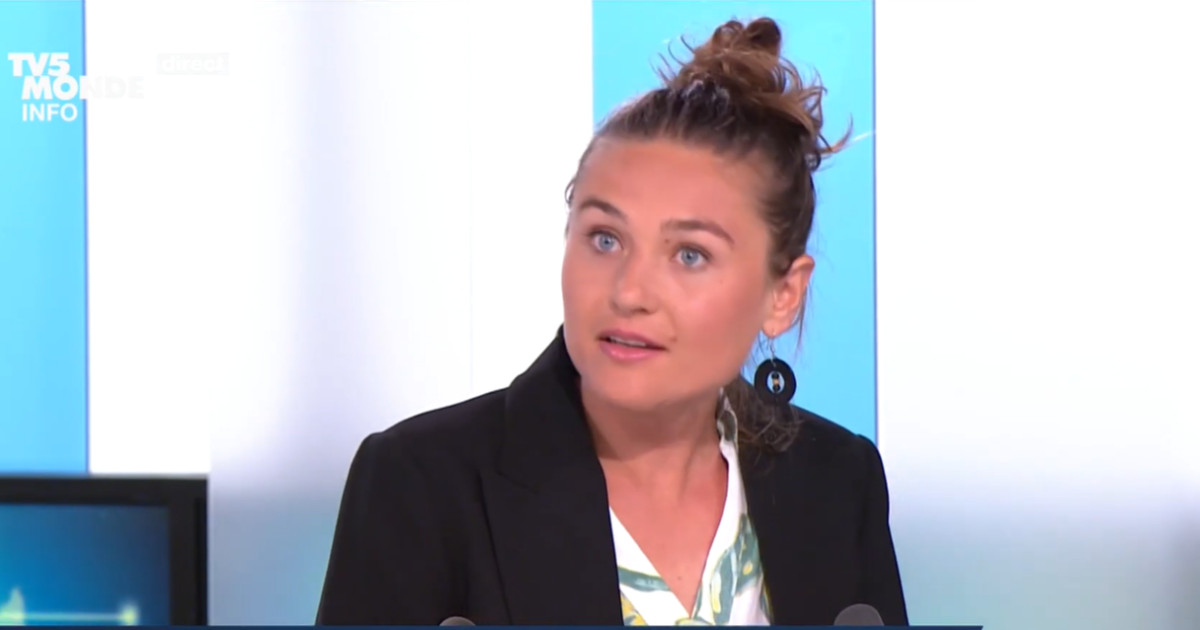
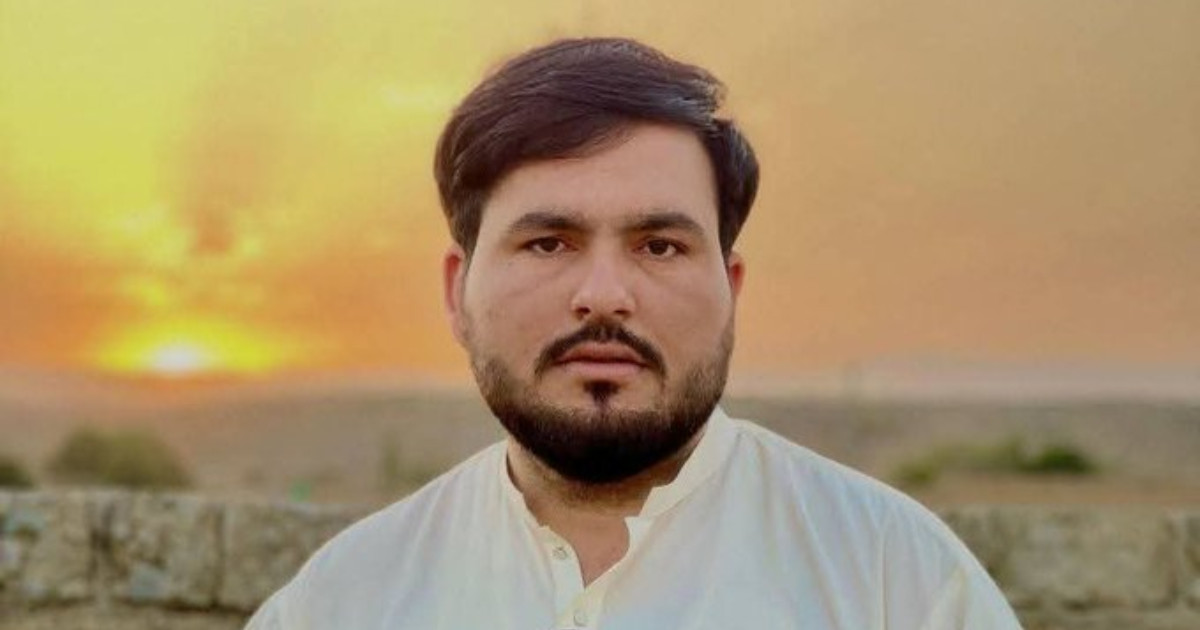
Radi (pictured), an investigative reporter and activist, was sentenced to six years in 2021 on charges of espionage and sexual assault.
Others pardoned include YouTuber Reda Taoujni and activists Youssef El Hirech and Saida Alami.
Key Points
- Omar Radi, Taoufik Bouachrine, and Soulaimane Raissouni were released after royal pardons.
- They were sentenced for reporting on corruption and abuse of power.
- Human rights activists welcomed the pardons but criticized ongoing repression.
- The journalists' prosecutions raised concerns from international organizations.
- Moroccan authorities have been accused of utilizing allegations to silence dissent.
Relevant Topics
Ask AI: Understand this story your way
AI EnabledDig deeper, ask anything — get instant context, background, and clarity.
Disclaimer: This feature is powered by AI and is intended to help readers explore and understand news stories more easily. While we strive for accuracy, AI-generated responses may occasionally be incomplete or reflect limitations in the underlying model. This feature does not represent the editorial views of JournalismPakistan. For our full, verified reporting, please refer to the original article.