
IFJ and PFUJ welcome passing of Journalists Protection Bill
JournalismPakistan.com | Published: 23 November 2021
Join our WhatsApp channel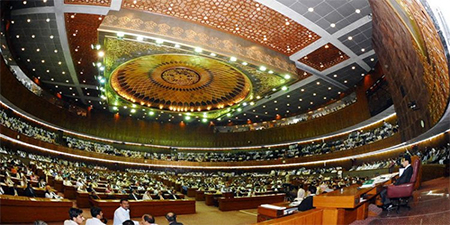
Pakistan's Senate has passed the Journalists Protection Bill, a significant step toward securing media workers' rights. The IFJ and PFUJ welcome this legislative move while emphasizing the need for effective implementation.Summary
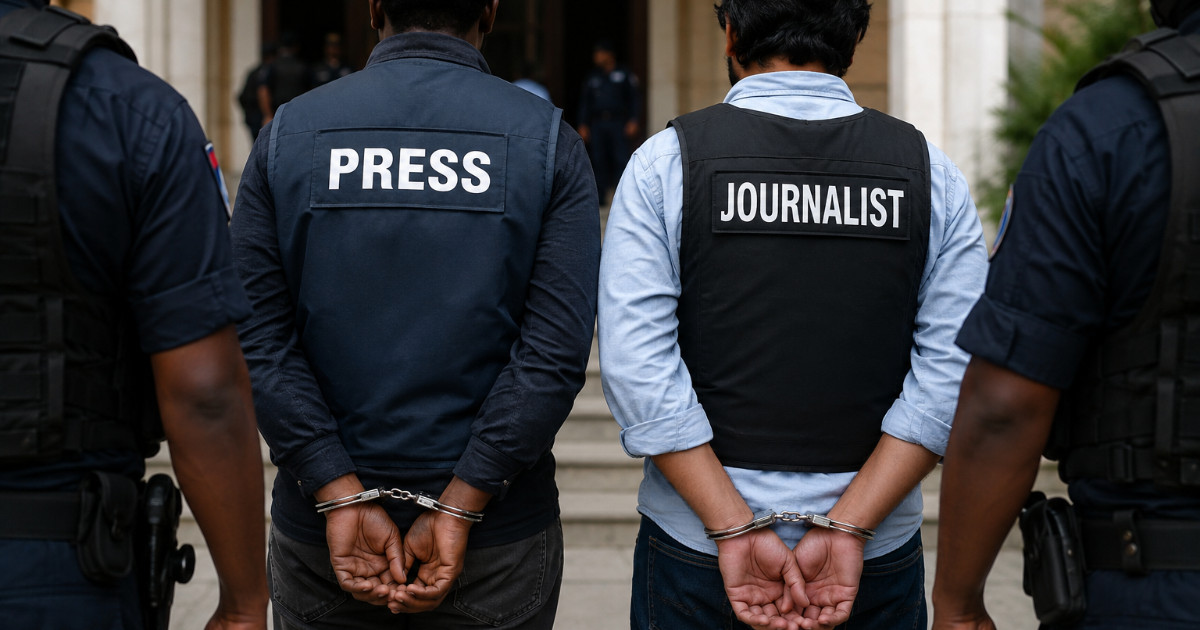
ISLAMABAD—Pakistan's Senate passed a new Protection of Journalists and Media Professionals Bill, drafted in consultation with journalists' organizations and union groups. The International Federation of Journalists (IFJ) and its Pakistan affiliate, the Pakistan Federal Union of Journalists (PFUJ), welcome the passing of the long-awaited legislation and call for the government to engage with the media to increase the bill's effectiveness and ensure proper implementation.
The bill, which aims to enshrine the protection of media workers in law, was passed by Pakistan's National Assembly on November 8 before progressing to the Parliament's upper house on November 19. Minister for Human Rights Dr. Shireen Mazari originally moved the bill on May 21, 2021. The bill's various articles safeguard the rights of every journalist and media professional to the rights of security, privacy, non-disclosure of sources, and independence when performing professional duties. Section 12 of the bill also outlines the formation of a commission for the protection of media workers.
Although supporting the media protection bill, some opposition members protested that the government and Senate Chairman Sadiq Sanjrani neglected to send the proposed legislation to the relevant standing committee for assessment and inputs by other political parties and the journalist community.
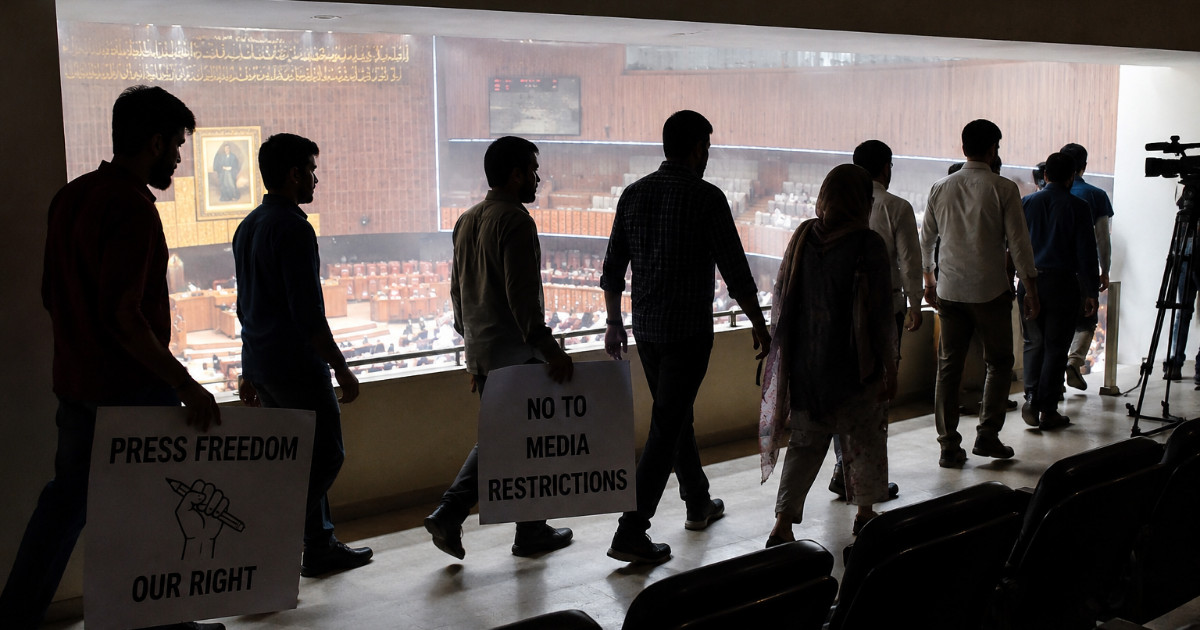
Several journalist bodies have also expressed concerns with Article 6 of the new bill, which says journalists and media workers must not produce material that could incite "discrimination, hostility or violence" and media "must not engage in the dissemination of material known by such an individual to be false or untrue." A failure to fulfill the obligations will result in judicial action under relevant laws.
A transition towards private and state interest in Pakistan's journalistic landscape means there is a dire need to protect public interest journalism and not impose further censorship in the name of protection.
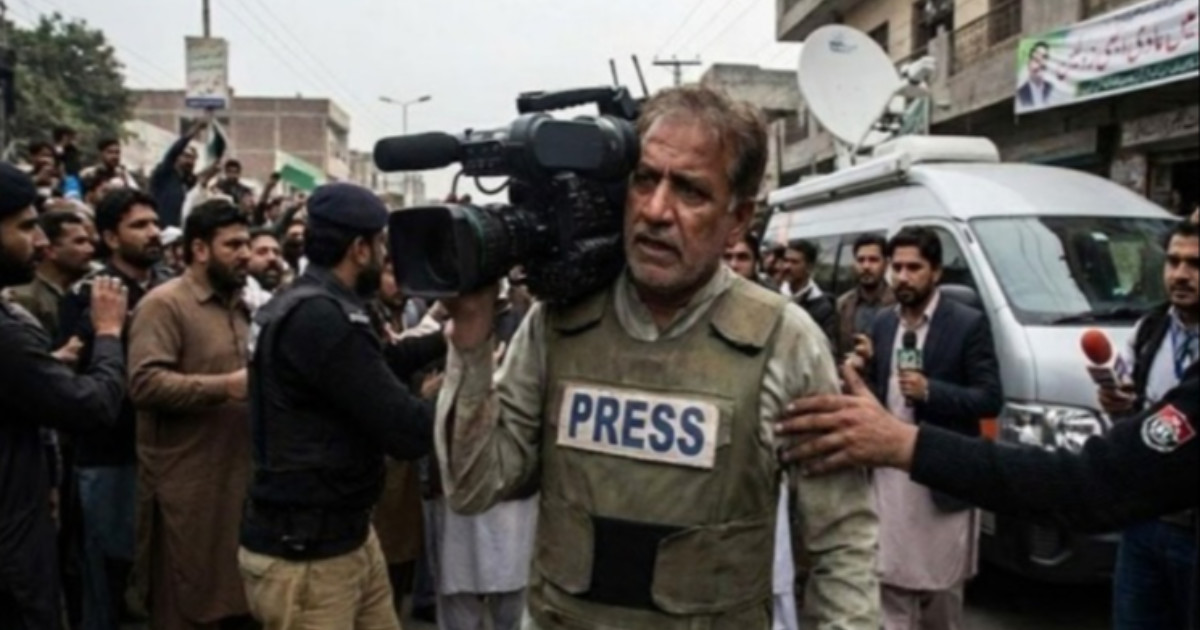
The IFJ and PFUJ have documented the declining state of press freedom in Pakistan and its wage crisis in recent years which has seen pay cuts as high as 50 percent in some organizations. Over the last three to four years, the number of retrenchments and layoffs has increased, resulting in greater unemployment and uncertainty among media workers in Pakistan. The last Wage Board Award, announced in 2019, set the basic pay of media workers at minimum wage (between PKR 20,000-25,000 or USD 117-146 per month). Women journalists also face discrimination in the determination of wages and placements.
The latest IFJ South Asia Press Freedom Report documented the murders of nine journalists in 2020-2021, with impunity rife.
The Pakistan Federal Union of Journalists (PFUJ) thanked the government and opposition parties for the approval of the Journalists Protection Bill. PFUJ leadership welcomed the newly approved bill, calling it a good omen for the country's journalism workers, and called upon the government to immediately implement the legislation at its earliest.
The PFUJ said: "PFUJ has urged the Prime Minister of Pakistan; the Federal Information Minister, Chaudhry Fawad Hussain; Minister of State, Farrukh Habib; and Law Minister Farogh Naseem to set up an independent commission as soon as possible in accordance with the spirit of the law to ensure job and physical security besides regular payment of dues, monthly salaries of journalists across the country so that the journalist community can perform their professional duties with responsibilities and play their role in the development of the country and media industry."
The IFJ said: "This is a much-needed development in safeguarding the rights and security of journalists in Pakistan – importantly the right to be paid as is their right. The IFJ urges the Pakistani government to open space for pluralism and dialogue with journalist communities to ensure this bill fulfills its full promise. The real work begins now."- IFJ media release
Key Points
- The bill safeguards journalists' rights to security and privacy.
- Concerns were raised over potential censorship under Article 6.
- The PFUJ calls for an independent commission for media worker protection.
- Recent data highlights a declining state of press freedom and financial issues for journalists.
- The IFJ urges government dialogue with media communities for effective bill implementation.
Relevant Topics
Ask AI: Understand this story your way
AI EnabledDig deeper, ask anything — get instant context, background, and clarity.
Disclaimer: This feature is powered by AI and is intended to help readers explore and understand news stories more easily. While we strive for accuracy, AI-generated responses may occasionally be incomplete or reflect limitations in the underlying model. This feature does not represent the editorial views of JournalismPakistan. For our full, verified reporting, please refer to the original article.