
French reporter forced out of India
JournalismPakistan.com | Published: 20 June 2024
Join our WhatsApp channel
Sebastien Farcis, a French journalist, was forced to leave India after his journalism permit was not renewed. The Committee to Protect Journalists is advocating for his permit to be reinstated, highlighting issues of press freedom in India.Summary
NEW YORK—The Committee to Protect Journalists (CPJ) has called on Indian authorities to immediately renew French reporter Sebastien Farcis' journalism permit and stop using legal technicalities to obstruct journalists from performing their duties.
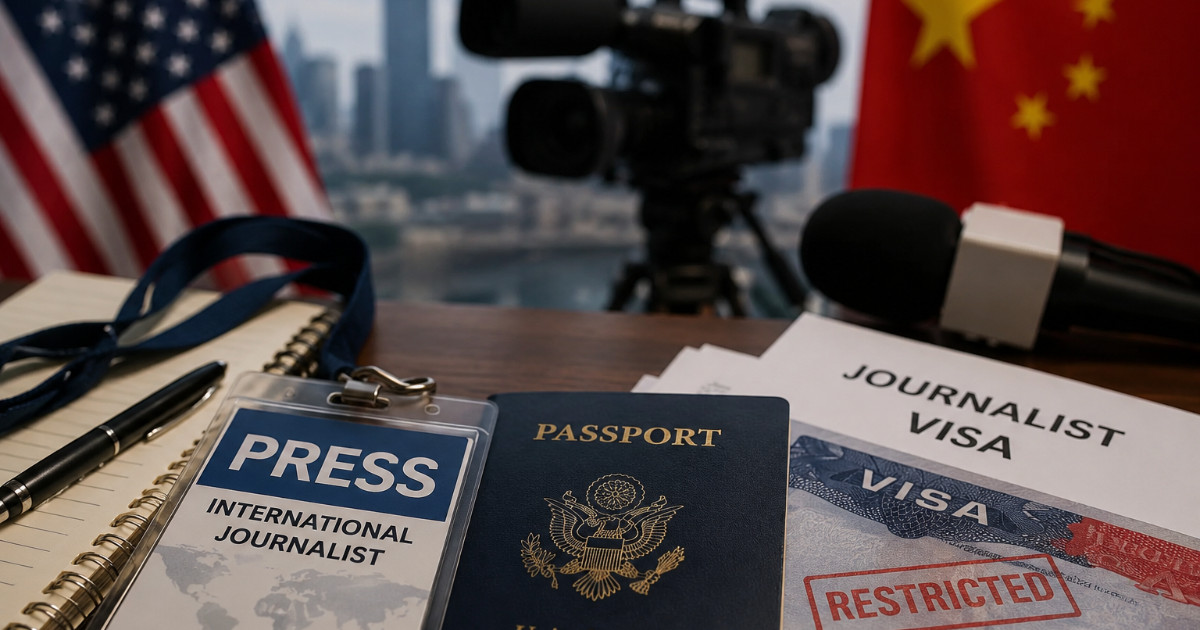
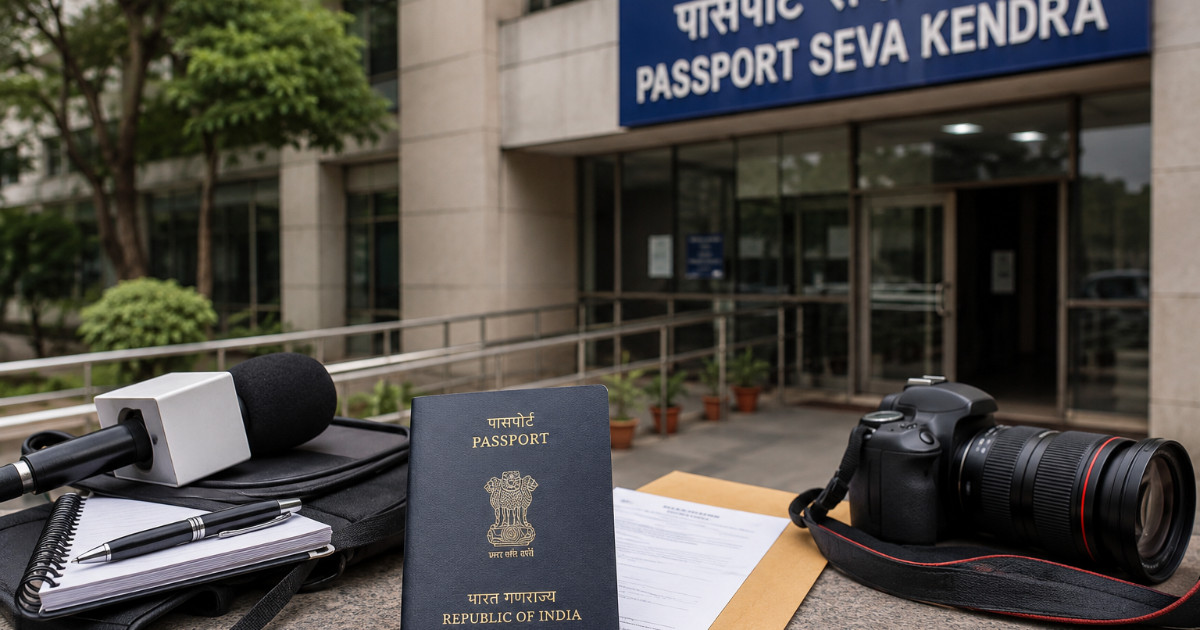
Farcis, a South Asia correspondent for several French and Belgian news organizations including Radio France Internationale, Radio France, and Liberation, left India on June 17 after 13 years of reporting. This followed the Indian government's refusal to renew his journalism permit, as reported by Farcis in a message to CPJ and a statement on X, formerly known as Twitter.
The government provided no reason for the permit denial on March 7. Farcis, married to an Indian citizen, holds permanent residency under the Overseas Citizen of India (OCI) visa. Since March 2021, Indian regulations require OCI visa holders to obtain permits to work as journalists in the country.
"The departure of Sebastien Farcis highlights the increasing challenges faced by foreign journalists in India. The arbitrary refusal to renew his journalism permit, without explanation, undermines press freedom and disrupts journalists' lives," said Kunal Majumder, CPJ's India representative. "Indian authorities must approve Farcis' permit and ensure that all journalists can work without fear of unjust reprisal, upholding India's democratic values."
In his statement to CPJ, Farcis mentioned that the permit denial had prevented him from practicing his profession and cut off his income. Multiple requests to the Ministry of Home Affairs (MHA), which issues journalism permits, have gone unanswered, and appeals have been unsuccessful.
Farcis emphasized his adherence to regulations, including obtaining necessary visas and accreditations. He stated that he has never reported from restricted areas without proper permits, and the MHA had previously permitted him to report from border regions.
"This decision has had a significant impact on my family. I am deeply attached to India, which has become my second homeland. But with no more work nor income, my family has been pushed out of India without explanation and uprooted overnight for no apparent reason," Farcis stated.
Farcis is the second French journalist in four months to leave India under similar circumstances, following Vanessa Dougnac's departure in February. CPJ is aware of at least five OCI-holder foreign correspondents being banned from working as journalists in India over the past two years.
CPJ's email to Home Secretary Ajay Kumar Bhalla, who oversees the MHA, requesting comment did not receive a response.—A CPJ News Alert
Key Points
- Farcis left India after 13 years due to permit denial.
- The Indian government provided no reasons for the denial.
- CPJ calls for immediate renewal of Farcis' journalism permit.
- Farcis is the second French journalist to leave India recently under similar conditions.
- At least five foreign correspondents have faced bans in India over the past two years.
Relevant Topics
Ask AI: Understand this story your way
AI EnabledDig deeper, ask anything — get instant context, background, and clarity.
Disclaimer: This feature is powered by AI and is intended to help readers explore and understand news stories more easily. While we strive for accuracy, AI-generated responses may occasionally be incomplete or reflect limitations in the underlying model. This feature does not represent the editorial views of JournalismPakistan. For our full, verified reporting, please refer to the original article.