
And that is a good story
JournalismPakistan.com | Published: 5 December 2019 | Steve Manuel
Join our WhatsApp channel
Waseem Abbasi's story on Azam Swati showcases the power of investigative journalism in revealing political corruption. His work has garnered national recognition and an award.Summary
Some days a good story finds its way to you. But most of the time not. Indeed, most of the time, you’ve got to recognize a good story and mine it because it’s probably hidden under layers of nothing. And sometimes you make a nothing story hidden in plain sight an award-winning tale that is so captivating and so well done that readers say, “Wow, that’s the best thing I’ve read in a while.”
Of course, the last-mentioned does not happen every day, nor is it created out of thin air. Usually plenty of hard work is involved, i.e. blood, sweat, and real journalism. But most importantly it is that one moment in time that matters most when the author’s eyes light up at the instance of recognition. “Yes, this is that story.” It is the moment that a journalist’s mind goes into overdrive thinking of all the possibilities and angles that can make the story extraordinary. He starts writing the story in his mind.
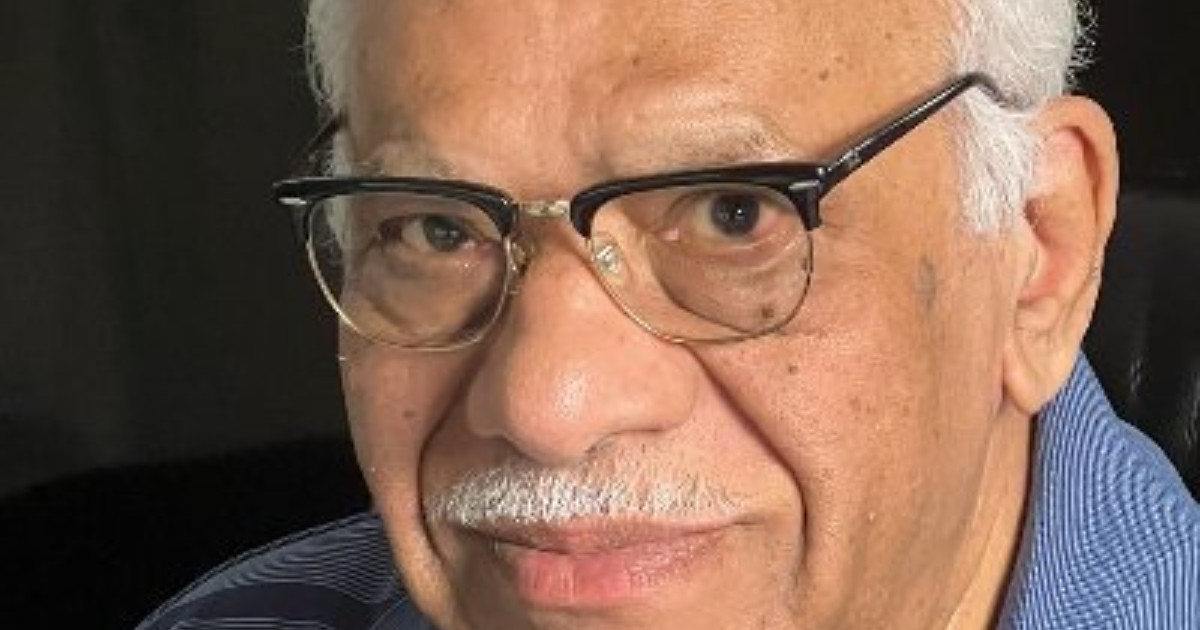
It was such a moment that led my friend and fellow journalist Waseem Abbasi (pictured) to one of the best stories to come out of Pakistan this year. This story was not only read and appreciated throughout the country but bagged him the top spot in the ‘Accountability’ genre of the 2019 AGAHI Awards that recognizes journalists for media excellence.
His story about misuse of authority and influence by Federal Minister and Senator Azam Swati was so compelling that the awards jury, I’m told, basically had their work made easy for them. The Swati episode – A fight between two encroachers, would not have had the impact it did, had Waseem not picked up on it a lot quicker than his rivals and peers who may have known about the story but did not recognize the potential nor pursued it.
But Waseem decided to chase this story, to investigate it, to pursue it, and to put in the hard work needed that would elevate this story to another level. He decided to do real journalism.
The story is a tale of a very influential, powerful politician who is also corrupt and brazen, and his all-consuming vendetta against a low-income family from the tribal areas that ‘lives’ next door. The minister and his son use the pretense of his neighbor Niaz Muhammad’s cow wandering into their land and destroying fruit to get the man and his family taken into custody and to be harassed. The minister’s staff not only illegally refused to give the cow back but also registered a case against Niaz for damage to property and trespassing.
The crux of the matter and this is where Waseem’s journalism came into play, is that the land on which the cow ‘encroached’ and upon which Niaz’s family ‘encroached’ when they went searching for the missing cow was prime land encroached and taken over by minister Swati and his family. The land belongs to the Capital Development Authority.
So brazen is Azam Swati that he went on record and admitted that he had indeed encroached on the land and fenced it off even though it did not belong to him! The CDA has also gone on record to say the fenced-off property had not been approved in the minister’s favor.
And now we come to the point that got Waseem well and truly on the scent of this story. Swati was so infuriated with his poor neighbors from Waziristan that he tried to get the Inspector General Police to arrest them. When the IGP tended to ignore him, the Minister/Senator used all his powers and influence, including calling the State Minister of Interior, to get the IGP to act against the owners of the cow. He then wrote to the Senate Chairman, and the IGP was removed from his job.
Now that is a lot of misuse of power, authority, and influence. None of this would have come to the fore had Waseem not thrust it out into the open, pinpointing the misuse of authority all around and calling for accountability.
And folks, it all started when a First Information Report was filed with the police over a wandering cow that allegedly destroyed some fruit trees on land belonging to a Federal Minister and Senator to boot.
The story was good. It was detailed. It had plenty of human elements in it. It showed up the blatant misuse of authority on several different levels; it took time to investigate, corroborate and pen. It also took courage and insight. Waseem persisted, insisted, and resisted.
Now those are surefire ingredients for an award-winning story.
It also takes a different kind of journalist to bring it out. Waseem is a career journalist who has found his way through and up some of the best learning grounds in the business. Currently working as Editor Reporting with Urdu News, Waseem is an investigative reporter who, in the past, also worked with the elite investigation cell of The News, USA Today, The Brunei Times, and Geo Television. Recently, he was in the United States studying journalism at the University of Maryland as a Fulbright-Humphrey Fellow.
Waseem writes on issues like politics, security, corruption, and governance and his stories have generated debate at the national level and resulted in significant changes in government policies. Any story that can impact policymaking is a relevant one, a telling one, a good one. Waseem knows how it’s done.
Good luck, my friend. Take care, and God bless.
Key Points
- Waseem Abbasi won the 2019 AGAHI Award for his investigative story.
- The story highlights the misuse of authority by Federal Minister Azam Swati.
- Swati's actions against a low-income family exemplify political corruption.
- The narrative emphasizes the role of perseverance in uncovering compelling journalism.
- Abbasi's background includes work with renowned media outlets and a focus on impactful stories.
Relevant Topics
Ask AI: Understand this story your way
AI EnabledDig deeper, ask anything — get instant context, background, and clarity.
Disclaimer: This feature is powered by AI and is intended to help readers explore and understand news stories more easily. While we strive for accuracy, AI-generated responses may occasionally be incomplete or reflect limitations in the underlying model. This feature does not represent the editorial views of JournalismPakistan. For our full, verified reporting, please refer to the original article.