
Saudi girl's online post in miniskirt draws conservative ire
JournalismPakistan.com | Published: 18 July 2017
Join our WhatsApp channel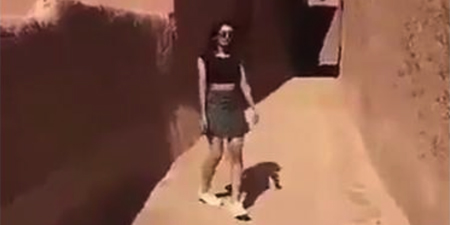
A Saudi woman drew attention online by posting a video wearing a miniskirt, leading to calls for her arrest. The incident has sparked a debate on personal freedoms versus traditional dress codes in Saudi Arabia.Summary
DUBAI - A young Saudi woman sparked a sensation online over the weekend by posting a video of herself in a miniskirt and crop top walking around in public, with some Saudis calling for her arrest and others rushing to her defense.
State-linked news websites reported Monday that officials in the deeply conservative Muslim country are looking into taking possible action against the woman, who violated the kingdom's rules of dress.
Women in Saudi Arabia must wear long, loose robes known as abayas in public. Most also cover their hair and face with a black veil, though exceptions are made for visiting dignitaries.
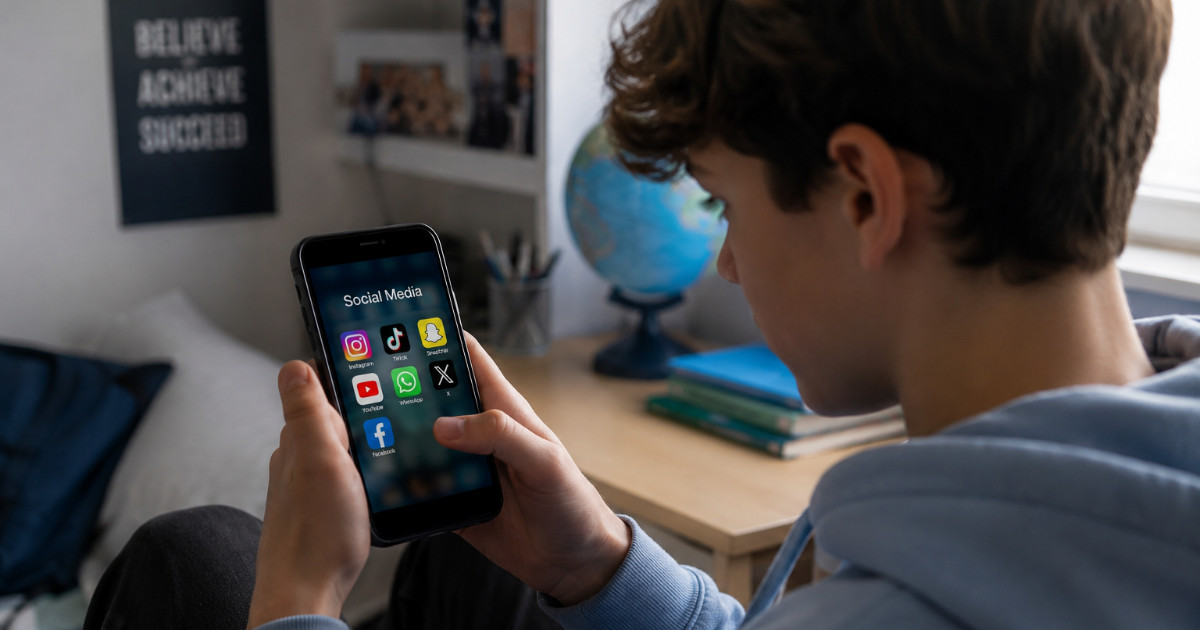
The video, first shared on Snapchat, shows her walking around an empty historic fort in Ushaiager, a village north of the capital, Riyadh, in the desert region of Najd, where many of Saudi Arabia's most conservative tribes and families are from.
Competing Twitter hashtags emerged, with one demanding the woman's arrest and another asserting that freedom of dress should not be a crime.
Ibrahim al-Munayif, a Saudi writer with more than 41,000 followers on Twitter, wrote on his official account that allowing people to disobey the law leads to chaos.
"Just like we call on people to respect the laws of countries they travel to, people must also respect the laws of this country," he wrote.
Others defended her by posting images from President Donald Trump's visit to Saudi Arabia in May, in which First Lady Melania Trump and his daughter Ivanka, though modestly dressed in higher necklines and longer sleeves, shunned wearing a head cover or the abaya.
Ivanka Trump's blonde tresses and attire sparked a Twitter hashtag during the president's visit, with Saudi males commenting on her looks and referring to the president as Abu Ivanka, meaning Ivanka's father.
One Twitter user, whose post was shared more than 1,700 times, superimposed an image of Ivanka's face on the young Saudi woman's body, writing: "Enough already, the situation has been solved." Others wrote that had the woman been a foreigner, people would be talking about her beauty, but because she is Saudi, they are calling for arrest.
The Saudi Okaz news website reported that officials in Ushaiager called on the region's governor and police to take actions against the woman in response to the video, without elaborating further. Saudi news website Sabq reported that the kingdom's morality police had corresponded with other agencies to investigate further after the video was brought to their attention.
Social media is wildly popular in Saudi Arabia as a space to vent frustrations and gauge public opinion.
With more than half of the population of Saudi Arabia under 25-years-old, the country's 30-year-old heir to the throne, Crown Prince Mohammed bin Salman, has pushed for greater openings for entertainment in part to appease the country's youth, but strict gender segregation rules and other restrictions on women's movement remain in place. - AP
Key Points
- A Saudi woman posted a video in a miniskirt, violating strict dress codes.
- The video sparked a backlash with calls for her arrest and support for her freedom of expression.
- Social media debates highlight the clash between conservative values and modern lifestyles.
- Saudi Arabia's morality police are investigating the incident.
- Crown Prince Mohammed bin Salman is promoting entertainment and reform for the youth.
Relevant Topics
Ask AI: Understand this story your way
AI EnabledDig deeper, ask anything — get instant context, background, and clarity.
Disclaimer: This feature is powered by AI and is intended to help readers explore and understand news stories more easily. While we strive for accuracy, AI-generated responses may occasionally be incomplete or reflect limitations in the underlying model. This feature does not represent the editorial views of JournalismPakistan. For our full, verified reporting, please refer to the original article.