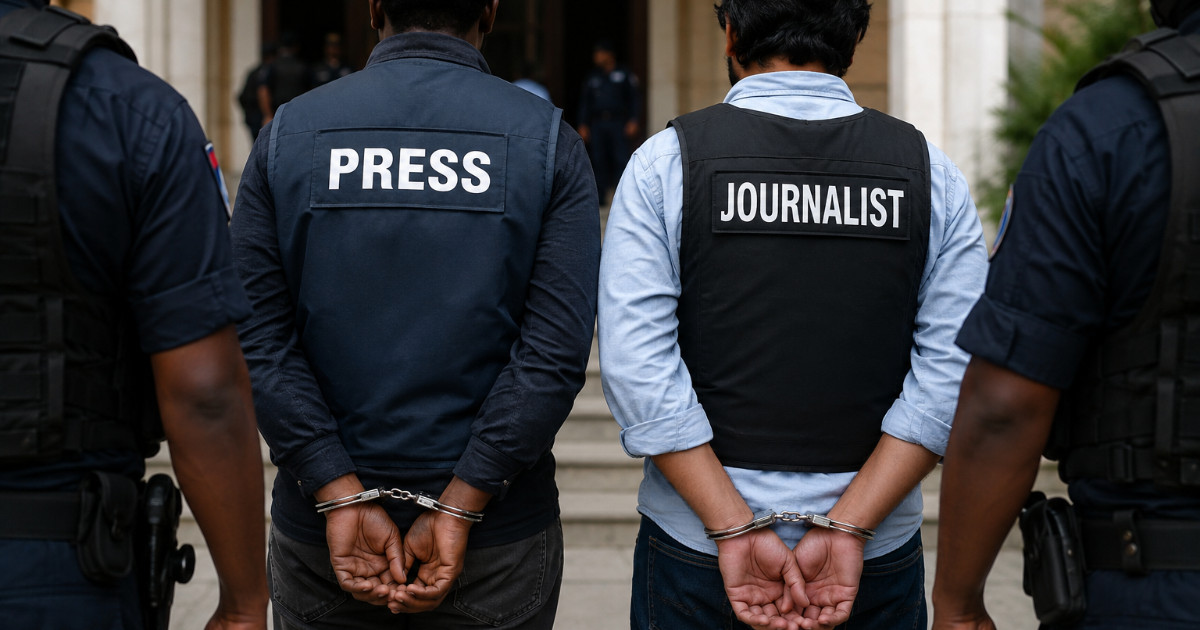

Sudanese authorities prevent newspapers' distribution, question reporters
JournalismPakistan.com | Published: 19 June 2018
Join our WhatsApp channel
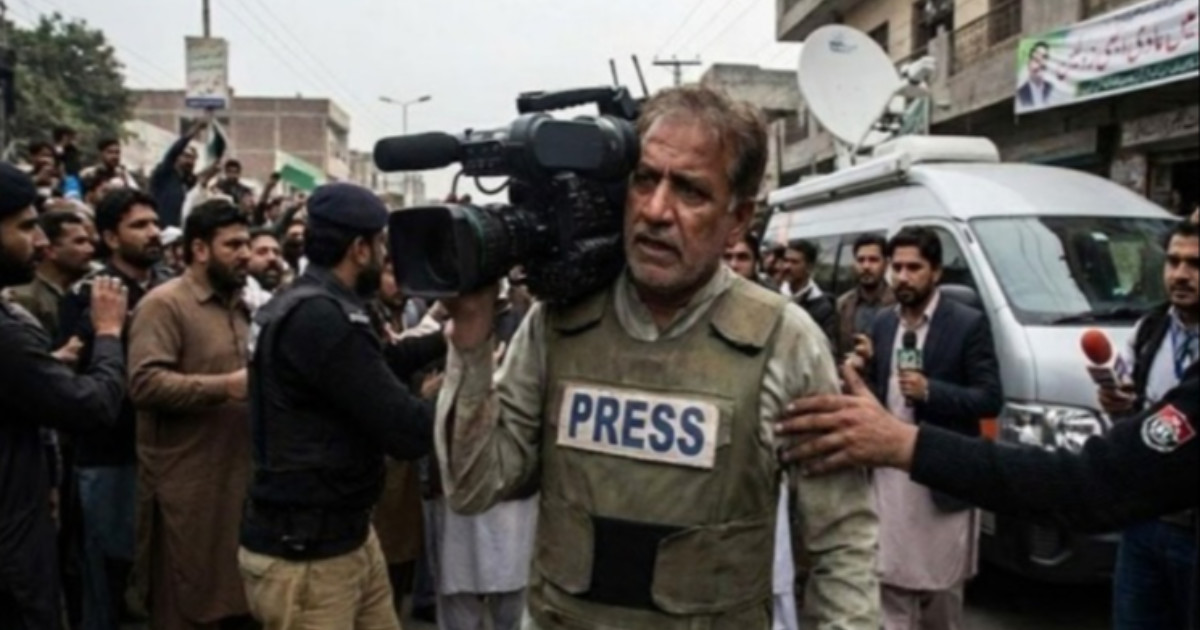
Sudanese authorities have increased pressure on the media by preventing newspaper distributions and questioning journalists. The Committee to Protect Journalists has condemned these actions, which threaten the independence of the press in Sudan.Summary
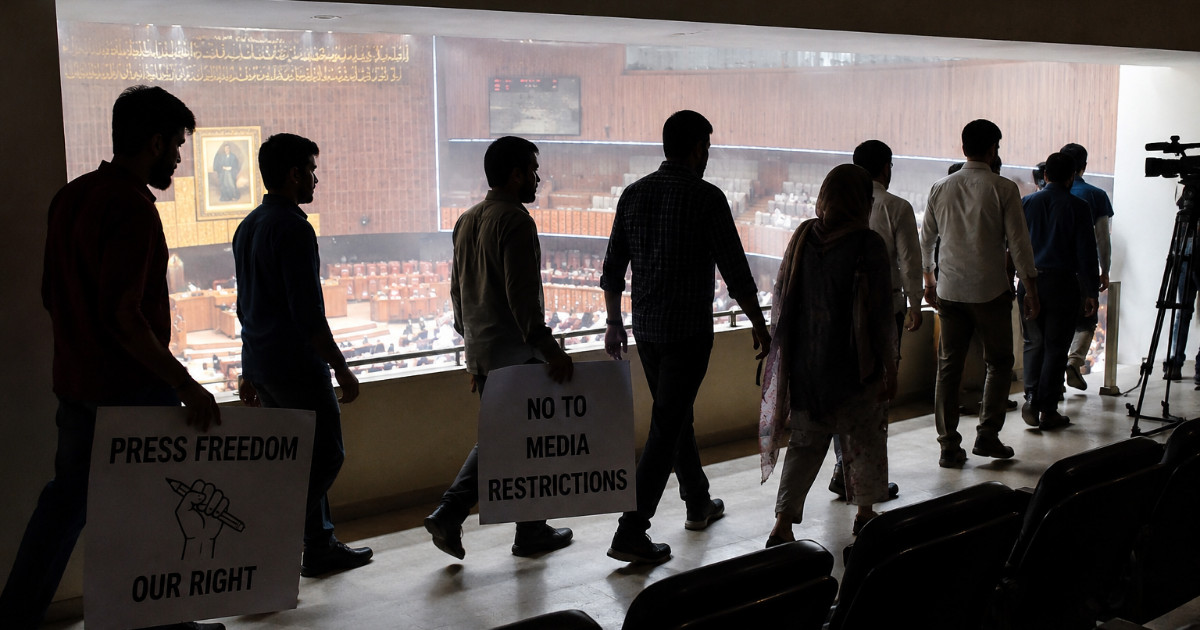
WASHINGTON -The Committee to Protect Journalists has called on Sudanese authorities to stop harassing the press by censoring news outlets, questioning journalists, and revoking reporters' accreditation.
In recent days, National Intelligence and State Security agents prevented the dailies Al-Tayar and Al-Youm al-Tali from distributing editions; questioned Shamael al-Nur, a reporter for the privately owned Al-Tayar, and Ahmed Younes, a correspondent for the London-based paper Al-Sharq al-Awsat, about their critical coverage; and revoked Younes's press accreditation, according to the local press freedom group Sudanese Journalists Network and news reports.
The National Intelligence and State Security service did not immediately respond to CPJ's email requesting comment.
"Sudanese authorities cannot hide behind the censor every time a journalist expresses a critical opinion or exposes harsh realities," said CPJ Middle East and North Africa Program Coordinator Sherif Mansour. "Sudanese authorities must stop harassing the independent press, and let the media work and publish freely."
On June 14, security agents questioned Younes about his work and revoked the press credentials that allow the Khartoum-based journalist to work for a foreign outlet, Younes told the independent Sudanese broadcaster Radio Dabanga. Younes told the broadcaster he was questioned about his recent coverage and a report on alleged corruption, which he denies writing. The journalist added that he was not told if he will be able to get his accreditation back.
Security agents questioned al-Nur on June 9, and ten over her column in al-Tayar headlined "The Siege," in which she criticized government officials over oil shortages, the Sudanese Journalists Network said in a statement. The agents did not say if any action would be taken against her, according to the statement.
Security agents prevented al-Youm al-Tali from being distributed on June 14 and 15 by ordering the printing house to delay printing until the end of the day, the Sudanese Journalists Network said in a statement. The NISS order did not specify the reason for the delay.
The June 14 edition included a column that criticized the ruling party and called on the Sudanese President, Omar Al-Bashir, to limit his travel costs, the Sudanese Journalists Network said in a statement.
Osman Mirgani, the Editor-in-Chief of Al-Tayar, told Radio Dabanga that authorities ordered the print house to delay the distribution of his paper on four days from June 9 without giving a reason.
The country's security service has previously used print delays as a way to censor the news and force publications to incur significant financial losses. Earlier this month, CPJ documented how the National Intelligence and State Security service prevented the privately owned Al-Jarida from distributing an edition by causing delays at the printing press, resulting in a loss of 50,000 Sudanese pounds (US$2,770) for the paper. – A CPJ News Alert
Key Points
- Sudan's National Intelligence is censoring media outlets.
- Two journalists had their press credentials revoked recently.
- Al-Tayar and Al-Youm al-Tali faced distribution delays.
- Authorities questioned reporters about their critical coverage.
- Press freedom in Sudan is under severe threat.
Relevant Topics
Ask AI: Understand this story your way
AI EnabledDig deeper, ask anything — get instant context, background, and clarity.
Disclaimer: This feature is powered by AI and is intended to help readers explore and understand news stories more easily. While we strive for accuracy, AI-generated responses may occasionally be incomplete or reflect limitations in the underlying model. This feature does not represent the editorial views of JournalismPakistan. For our full, verified reporting, please refer to the original article.