
RIUJ condemns curbs on media in Balochistan, calls on federal government to intervene
JournalismPakistan.com | Published: 8 November 2017
Join our WhatsApp channel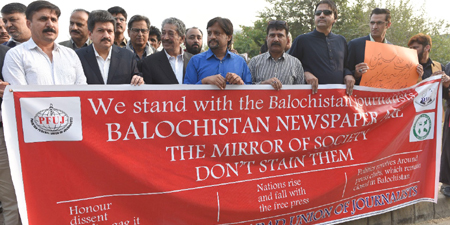
The Rawalpindi Islamabad Union of Journalists (RIUJ) has protested against curbs on media in Balochistan. They demand government action to protect journalists and press clubs in the region.Summary
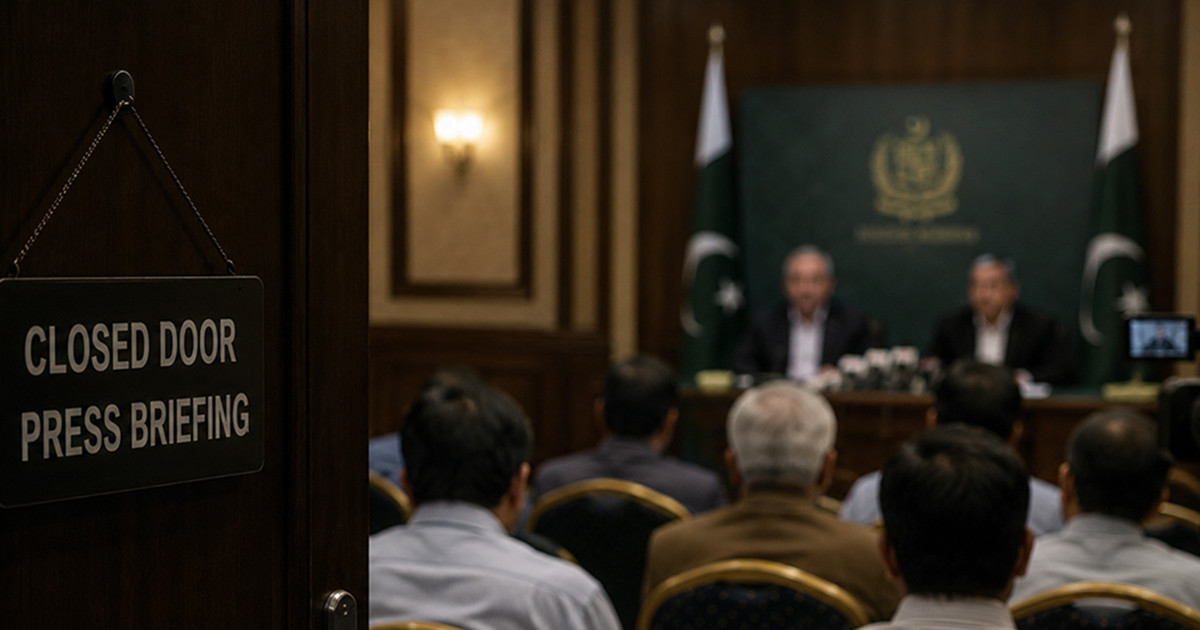
ISLAMABAD - The Rawalpindi Islamabad Union of Journalists (RIUJ) has condemned a fresh wave of curbs and attacks on media in Balochistan.
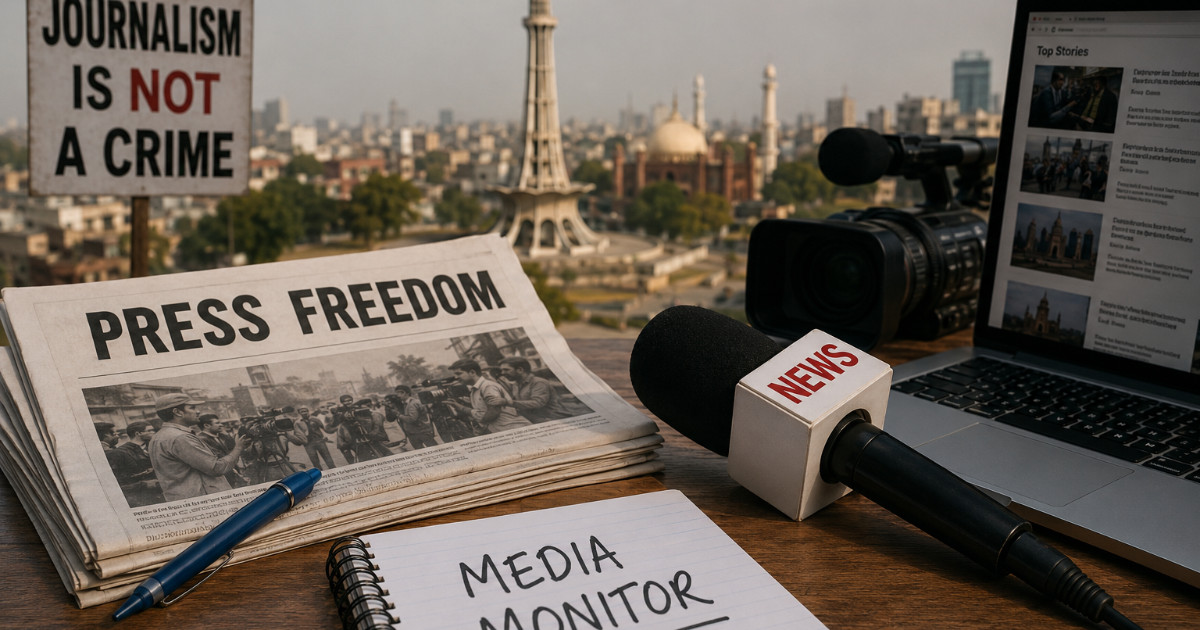
During a protest outside the National Press Club on the call of RIUJ, journalists from the twin cities chanted slogans against the closure of around 15 press clubs throughout the province.
RIUJ has warned the federal government of more protests outside the Parliament House if it did not take necessary steps to check this alarming trend.
Speaking on the occasion, former Balochistan Chief Minister and National Party (NP) leader Dr. Abdul Malik expressed concern over the closure of press clubs in the province.
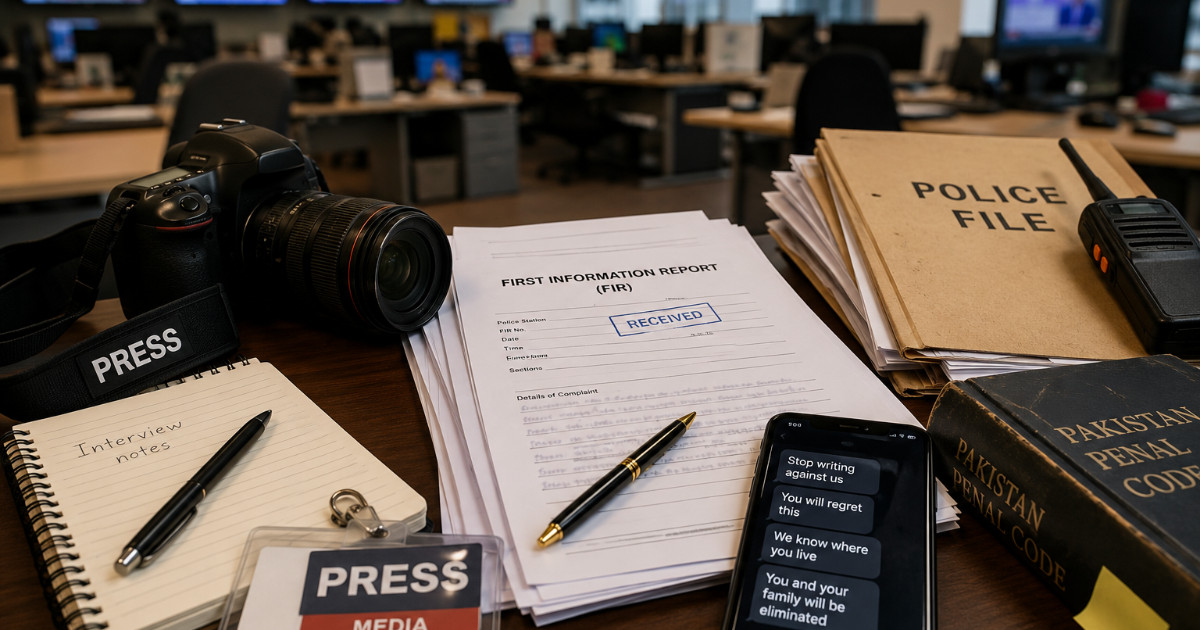
He said several press clubs, including the one in Gwadar, were forcefully shut, adding that the journalists of the province are also being threatened.
Dr. Malik said the latest trend against freedom of expression started three weeks ago. “Non-distribution of newspapers in the interior of Balochistan will deprive citizens of their rights to information.”
He said the provincial government had already suspended advertisements to some media units and if this situation is not resolved at the earliest, many media houses in the province might face closure.
Dr. Malik called on journalist bodies to play an active role in resolving the issue.
The protesting journalists also demanded the early arrest of those involved in attacks on media persons of Rawalpindi and Islamabad.
All Pakistan Akhbar Farosh Federation Secretary General, Tikka Khan criticized the provincial and federal governments for their failure to resolve the issue of non-distribution of newspapers in Balochistan.
He said it was the responsibility of the government to ensure the safety of hawkers who distribute papers. He said the livelihood of hawkers in the province was at great risk.
RIUJ President Mubarak Zeb Khan said attacks on journalists had increased recently, adding that closure of press clubs in such large numbers raised questions on different quarters.
Khan said the closure of press clubs would send a negative signal to prospective investors in the province. He said the government was trying to improve the image of the country but failed to take steps to ensure freedom of expression.
RIUJ General Secretary, Ali Raza Alvi said the government should take urgent steps against elements involved in forcing the closure of press clubs.
Muhammad Riaz, representing Pakistan Federal Union of Journalists (PFUJ) said terrorism was on the rise in Balochistan, and the federal government needed to intervene to resolve the matter. He said the free press was the right of the people of Balochistan.
Key Points
- RIUJ protests against media restrictions in Balochistan.
- 15 press clubs closed across the province, prompting concern.
- Former Chief Minister highlights threats against journalists.
- Increased attacks on media personnel noted.
- Urgent government intervention called for to ensure freedom of expression.
Relevant Topics
Ask AI: Understand this story your way
AI EnabledDig deeper, ask anything — get instant context, background, and clarity.
Disclaimer: This feature is powered by AI and is intended to help readers explore and understand news stories more easily. While we strive for accuracy, AI-generated responses may occasionally be incomplete or reflect limitations in the underlying model. This feature does not represent the editorial views of JournalismPakistan. For our full, verified reporting, please refer to the original article.