.png)
India in awkward position as four journalists killed in six months
JournalismPakistan.com | Published: 7 June 2017 | Nava Thakuria
Join our WhatsApp channel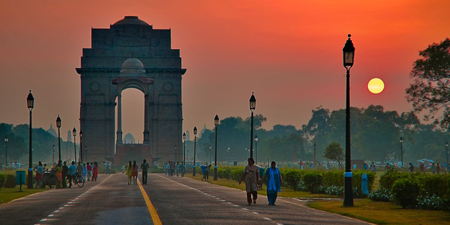
India has seen the murder of four journalists in just six months, raising concerns about safety and justice for media professionals. Various organizations are demanding immediate action to protect journalists on duty.Summary
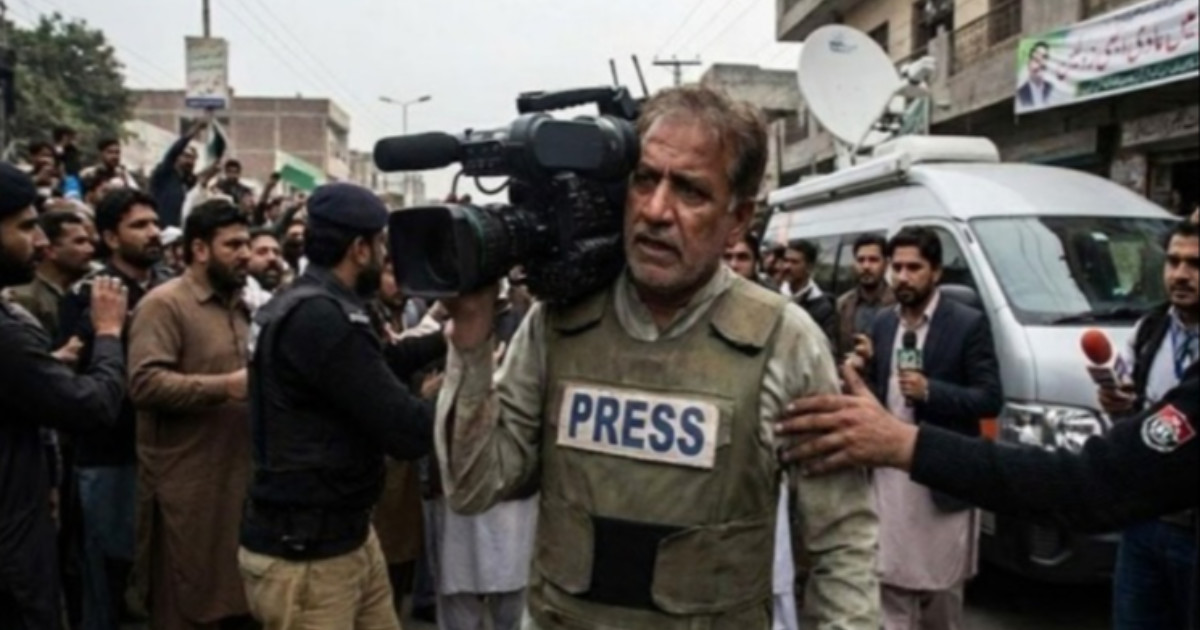
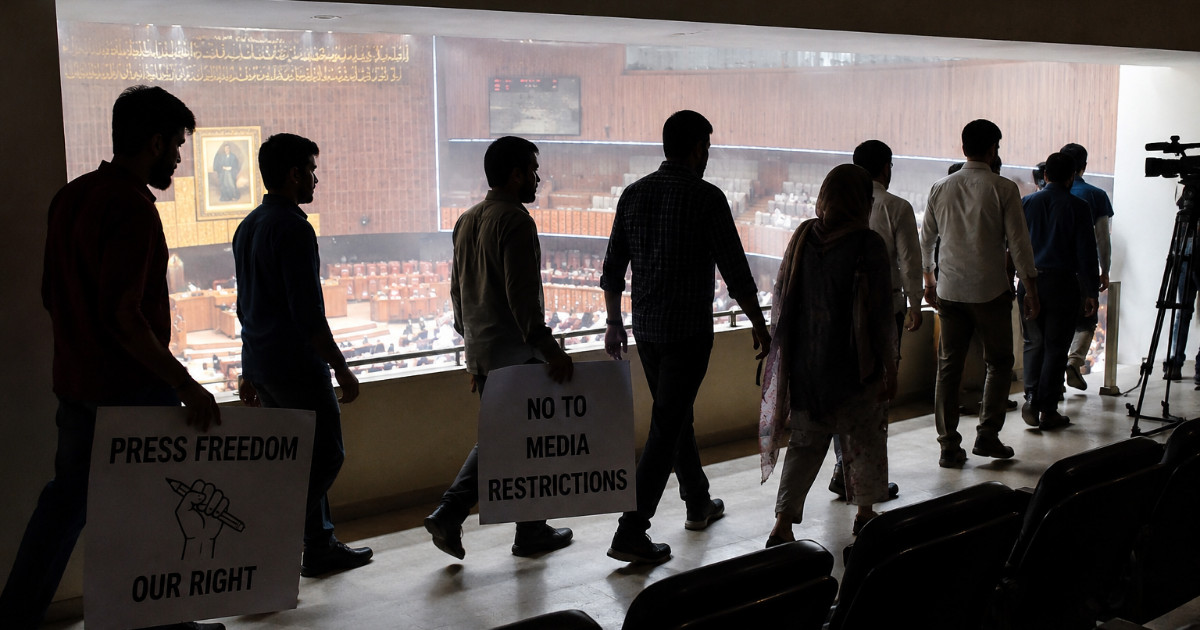
As 2017 rolls on, India stands at an awkward position over the journo-murder index. The populous country has witnessed the murder of at least four professional journalists in six months. Shockingly, the largest democracy in the globe has also earned a bad name by not bringing the culprits to justice prompting the media fraternity to continue pressing for a special protection law for journalists on duty.
The year started with the sad news as the dead body of a Jharkhand-based scribe was recovered from Hazaribagh locality in the first week.
Hari Prakash, 31, whose body was found on 2 January by the roadside, was missing for some days. The family members of Hari, who was a law graduate and used to work for a Hindi daily, alleged that he was kidnapped with the intention of killing him.
Another bad news awaited the media as a Bihar-based journalist was shot dead in Samastipur locality on 3 January by some unidentified goons. Brajesh Kumar Singh, 28, received serious injuries to his head and died on the spot. He was the third journalist assisinated in Bihar within a year after Rajdeo Ranjan and Dharmendra Kumar Singh were killed last year.
The third and fourth incidents involving the murder of working journalists were reported from Madhya Pradesh. Shyam Sharma, 40, who was associated with a local evening newspaper, was stabbed to death in Anshul locality of Indore on 15 May. Shyam received multiple injuries and died on the spot. Meanwhile, the local police arrested two individuals suspecting their primary role in the murder.
On the other hand, Kamlesh Jain, 42, was shot dead in his office at Pipliyamandi locality of Mandsaur on the evening of 31 May. Kamlesh was rushed to a nearby hospital, where the attending doctors declared him dead. According to the police on duty, two assailants entered Kamlesh’s office and one of them shot him. They quickly fled on a motorcycle.
Working for Hindi daily Nai Dunia, the journalist recently exposed few local people involved in illegal liquor trade through a number of roadside dhabas (restaurants). He was also threatened by those criminals with dire consequences a few days before being killed. The police took prompt action and arrested two individuals suspecting their role in the crime.
Various media organizations like Madhya Pradesh Journalist Union (MPJU), Journalists’ Forum Assam (JFA), National Federation of Newspaper Employees (NFNE), International Federation of Journalists (IFJ) and others have expressed serious concern over the murder of the journalists and asked the responsible authorities to book the culprits under the law of the land.
Condemning the assassinations of Shyam and Kamlesh, the IFJ commented: “Two murders in nearly two weeks illustrate the dangerous conditions that journalists in India are facing.”
The IFJ called on Indian authorities to immediately and thoroughly investigate these murders and bring those responsible to justice.
In a recent statement, the IFJ disclosed that 93 journalists were killed last year around the world, where India contributed six victims to the list.
(The writer is a northeast India-based journalist and secretary Guwahati Press Club)
Image courtesy: http://blogs.lse.ac.uk/southasia/
Key Points
- Four journalists killed in India within six months.
- Call for special protection law for journalists.
- Criticism over lack of justice for murdered journalists.
- Murder incidents reported from Jharkhand, Bihar, and Madhya Pradesh.
- International Federation of Journalists urges swift investigations.
Relevant Topics
Ask AI: Understand this story your way
AI EnabledDig deeper, ask anything — get instant context, background, and clarity.
Disclaimer: This feature is powered by AI and is intended to help readers explore and understand news stories more easily. While we strive for accuracy, AI-generated responses may occasionally be incomplete or reflect limitations in the underlying model. This feature does not represent the editorial views of JournalismPakistan. For our full, verified reporting, please refer to the original article.