
CPJ calls for immediate release of journalist Khalil Afridi
JournalismPakistan.com | Published: 28 November 2017
Join our WhatsApp channel
The CPJ has urged the Pakistani authorities to release journalist Khalil Afridi, detained without charge following an explosive incident. Authorities also imposed a media blackout amid protests in Islamabad.Summary
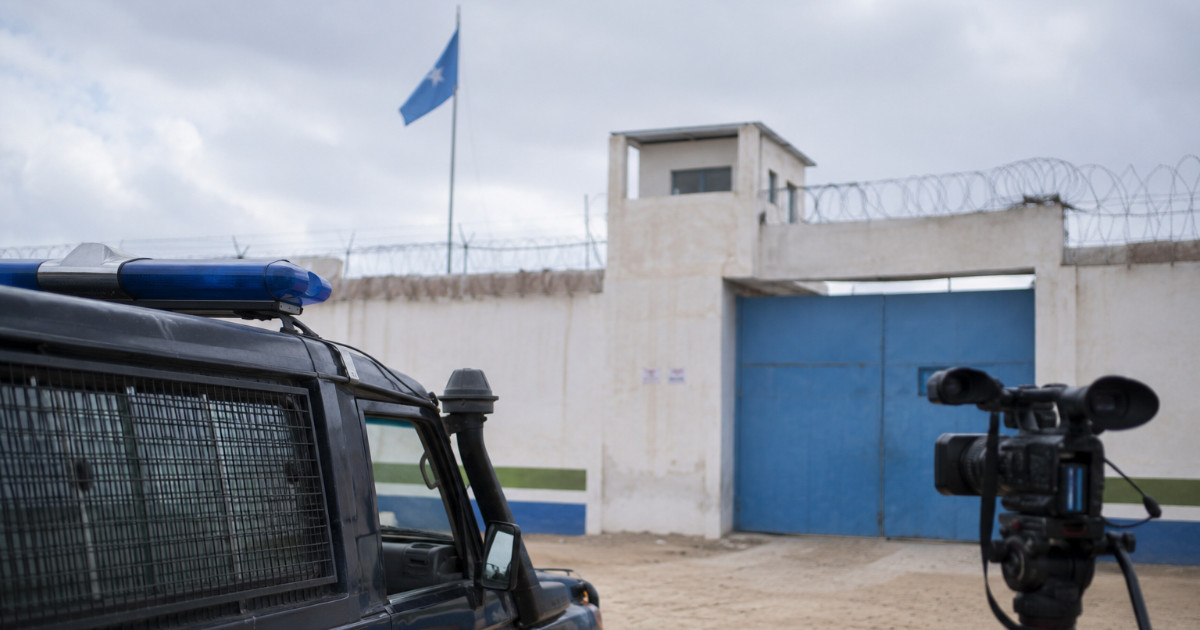
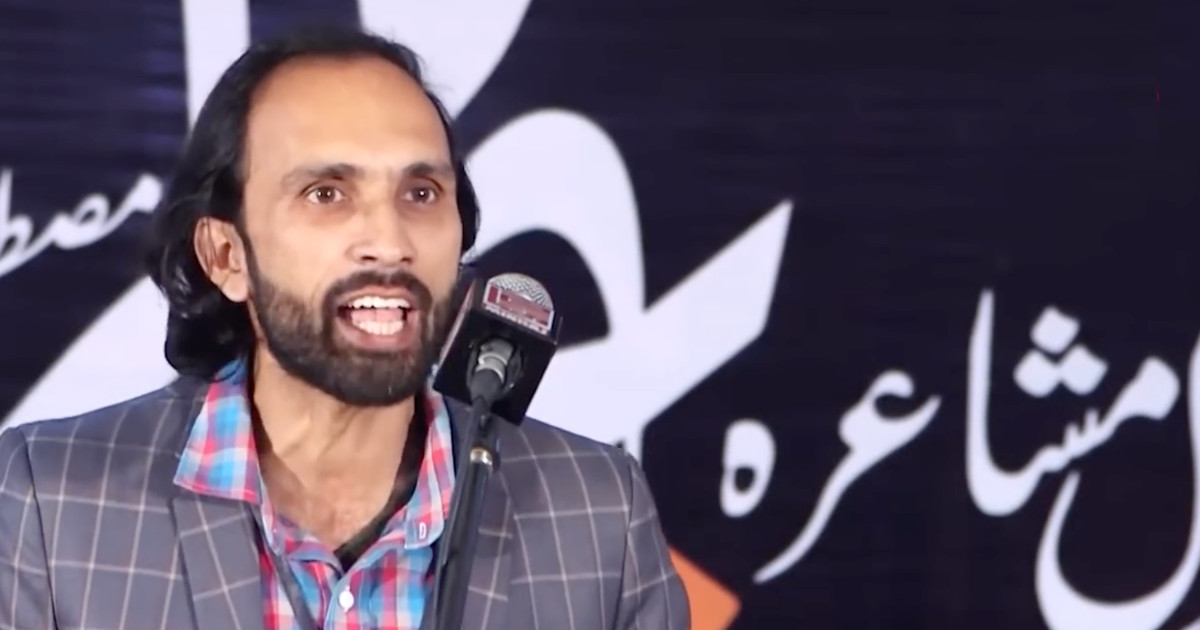
NEW YORK - The Committee to Protect (CPJ) journalists has called on Pakistani security forces to immediately release journalist Khalil Afridi, who police are holding without charge in the Khyber Pakhtunkhwa.
The authorities detained the correspondent for the Khyber News TV channel on November 24 after an explosive device was found under a car he had rented, according to news reports.
"Pakistani authorities should immediately release Khalil Afridi and conduct an efficient and thorough investigation into who planted a bomb under his car," said Steven Butler, CPJ's Asia Program Coordinator from Washington D.C. "It is outrageous that Pakistani forces should detain and question the victim of an attack on press freedom, rather than focusing on the hunt for the attackers."
Afridi had rented a car in the town of Jamroud and was traveling to the Khyber tribal region with four other journalists when the bomb was discovered, according to Iqbal Khattak, director of local press freedom group Freedom Network Pakistan, and an article from the U.S. Congress-funded Radio Free Europe/Radio Liberty, whose correspondent, Farhad Shinwari, was in the car. The group was covering a vintage car rally in the Khyber region.
People in the next vehicle saw the explosives hanging underneath the journalists' car and alerted them at a checkpoint near the town of Landi Kotal, according to RFE/RL. A Pakistani bomb-disposal unit then defused two kilograms of explosives from the bomb, the radio station reported.
Police detained Afridi and Shinwari as well as journalists Mehrab Afridi, Umar Khan, and Imran Khattak, in addition to the man who spotted the bomb, Mian Sajid, according to news website Dawn.
Police also took Hussain Ali, an employee of the Landi Kotal Press Club, into custody after they learned he had helped fix a punctured tire on the rental car, according to Dawn and the news site Pakistan Today.
Following a 12-hour interrogation, police released everyone except Afridi and Ali, according to RFE/RL.
The released reporters did not provide information about their detention, but Sajid suffered severe mental stress, according to Dawn.
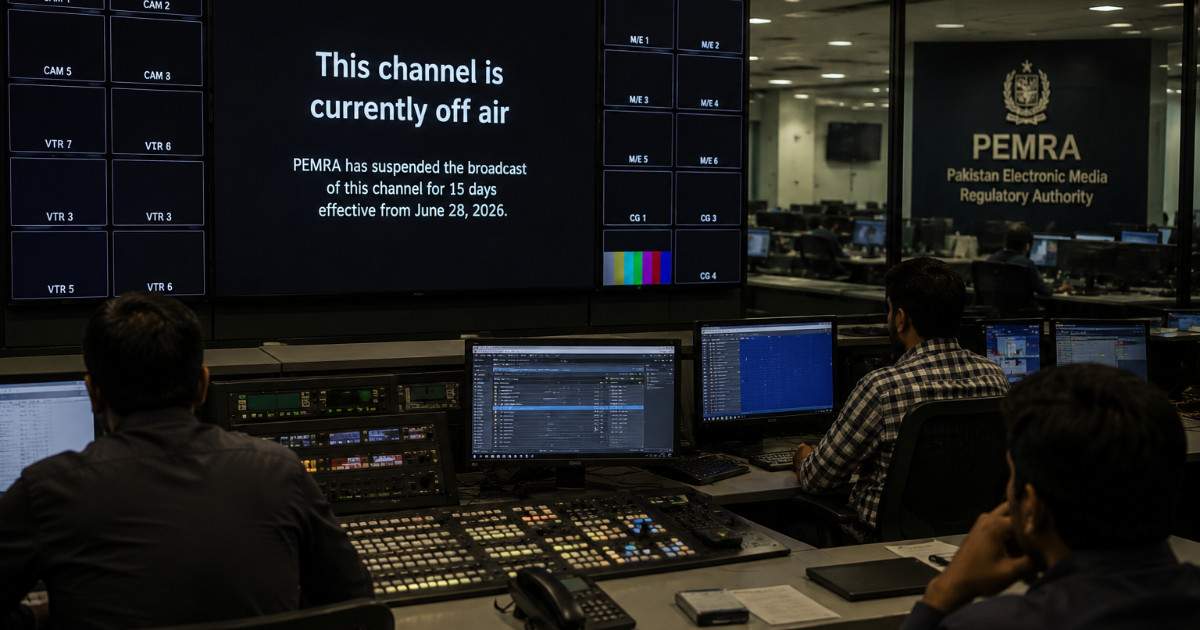
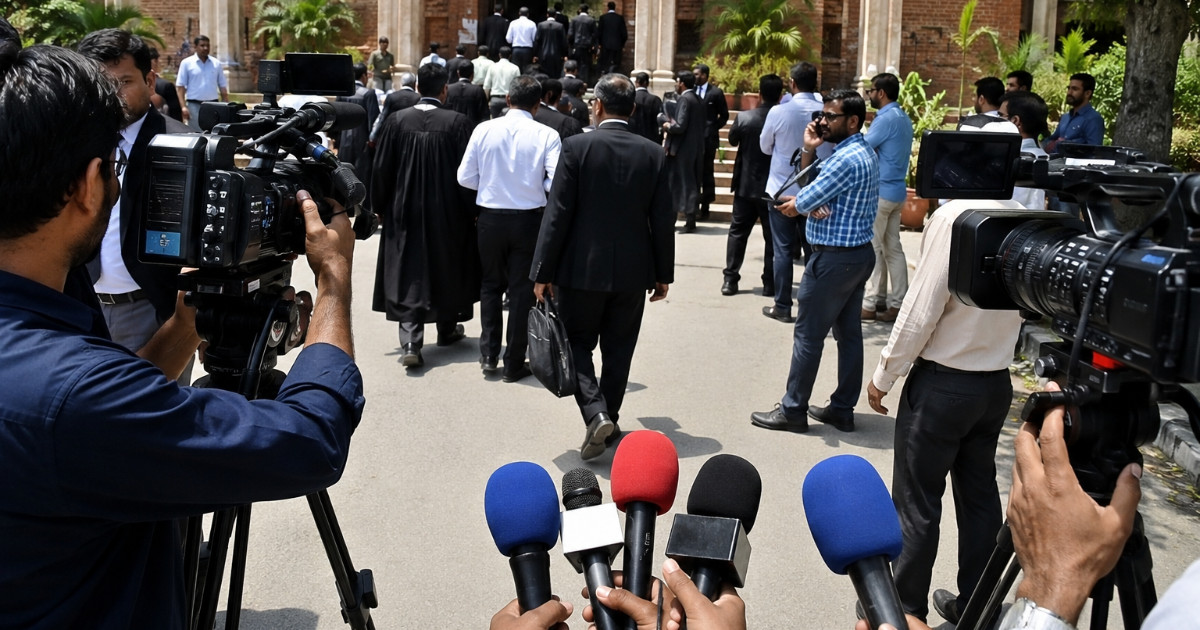
Separately, Pakistan's media regulator ordered a media blackout on November 25 following the deployment of troops in Islamabad to quell two weeks of violent protests that have left more than 250 people injured, according to news reports. The protesters were calling for the law minister's resignation over allegations of blasphemy, according to the reports.
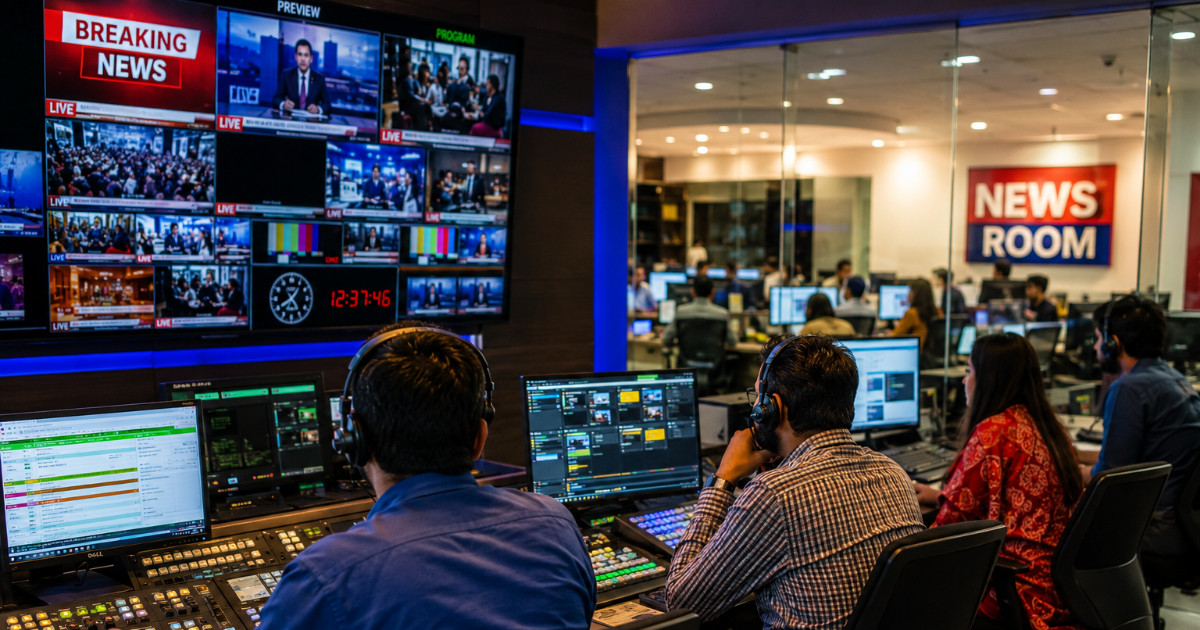
Pakistani authorities took all private television channels off the air and social media sites including Twitter and Facebook were blocked for approximately 28 hours, according to the press freedom group director Khattak and media reports.
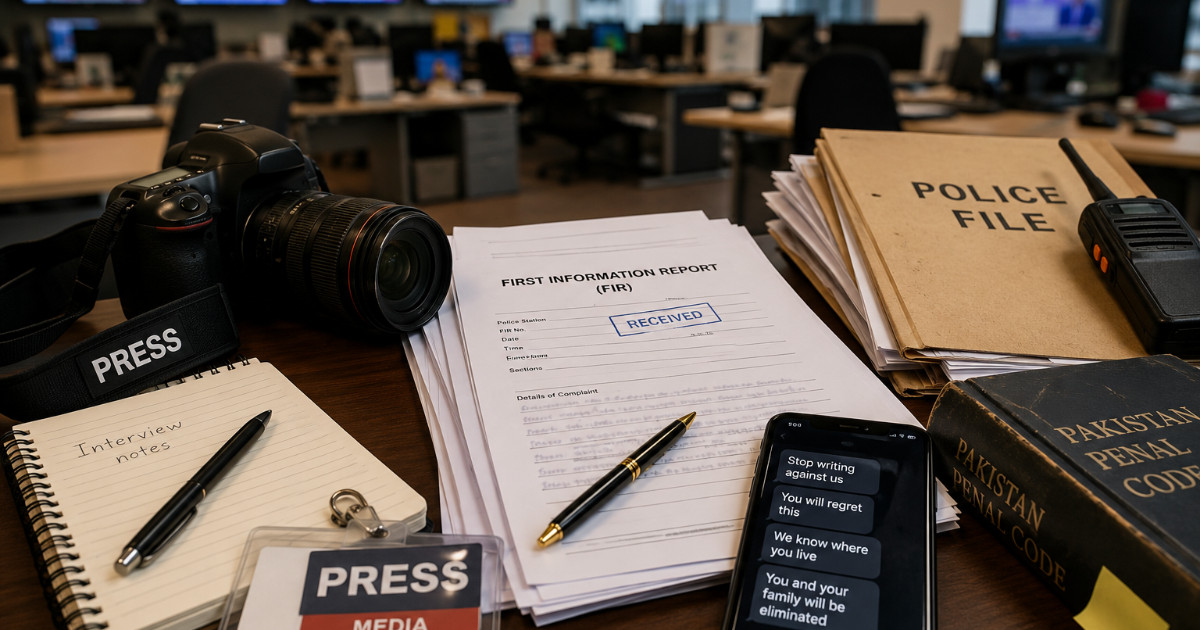
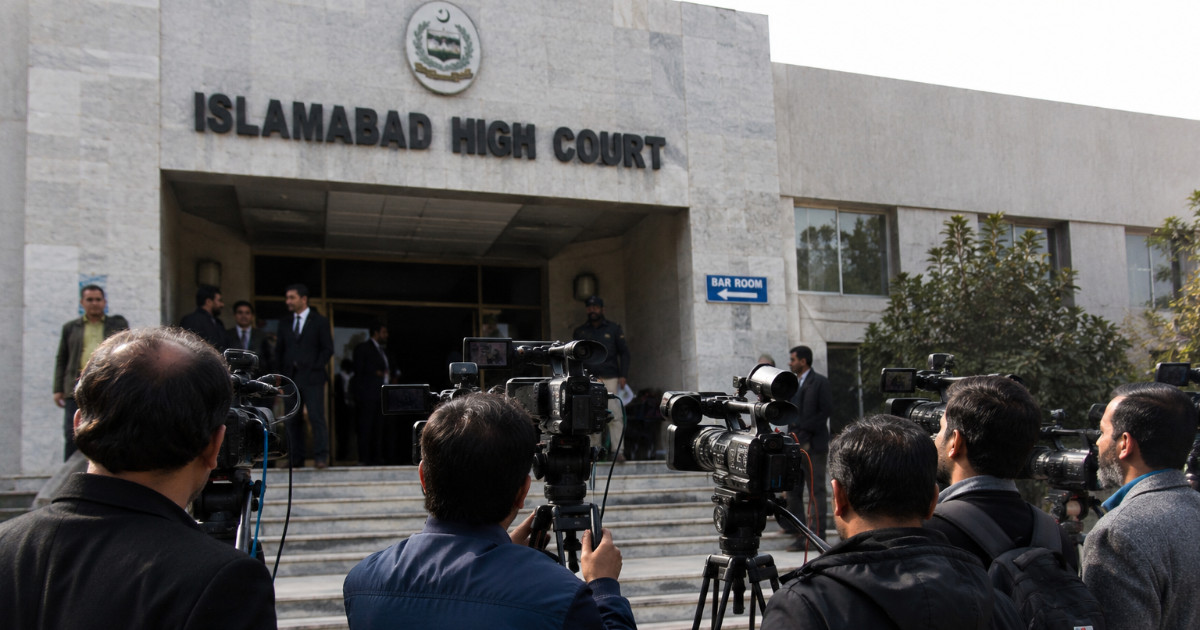
In another separate incident, a Peshawar court ordered an inquiry into a police officer's accusations that journalist Umar Cheema defamed him in an article published in 2010. Khyber Pakhtunkhwa Police Deputy Inspector General Fasihuddin had previously filed a damages suit against Cheema for the same story.
Last year, the authorities ordered Cheema to pay Rs1 million (US$9,500), according to Dawn. Cheema, a CPJ 2011 International Press Freedom Awardee, has frequently faced harassment and threats for his coverage of politics, national security, and corruption, CPJ has documented.
These incidents continue a trend in press freedom violations in Pakistan, including arrests and violence, CPJ research shows. – CPJ media alert
Key Points
- Khalil Afridi detained without charge by Pakistani police.
- CPJ demands investigation into the bomb incident.
- Media blackout enforced during violent protests in Islamabad.
- Afridi was covering a vintage car rally when the bomb was discovered.
- The situation highlights ongoing challenges to press freedom in Pakistan.
Relevant Topics
Ask AI: Understand this story your way
AI EnabledDig deeper, ask anything — get instant context, background, and clarity.
Disclaimer: This feature is powered by AI and is intended to help readers explore and understand news stories more easily. While we strive for accuracy, AI-generated responses may occasionally be incomplete or reflect limitations in the underlying model. This feature does not represent the editorial views of JournalismPakistan. For our full, verified reporting, please refer to the original article.