
Abu Zar Afridi: Threats, kidnapping bid, and bombing, he faced all
JournalismPakistan.com | Published: 21 January 2018 | Myra Imran & Imran Naeem Ahmad
Join our WhatsApp channel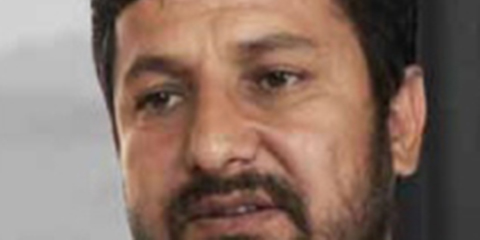
This article explores the struggles faced by journalist Abu Zar Afridi, who encountered multiple threats and violence while reporting from FATA. His story reflects the broader economic and safety concerns of displaced journalists.Summary
This story is one of 10 case studies highlighting the economic condition of slain journalists’ families and the displaced reporters. Journalist Myra Imran traveled to remote and high-risk districts in Khyber Pakhtunkhwa and FATA to interview family members, their relatives, displaced journalists, and office-bearers of press clubs and journalist unions. The stories are part of a field study report Surviving the Story, launched on January 8, 2018, a collaborative initiative of JournalismPakistan.com and Communications Research Strategies (CRS).
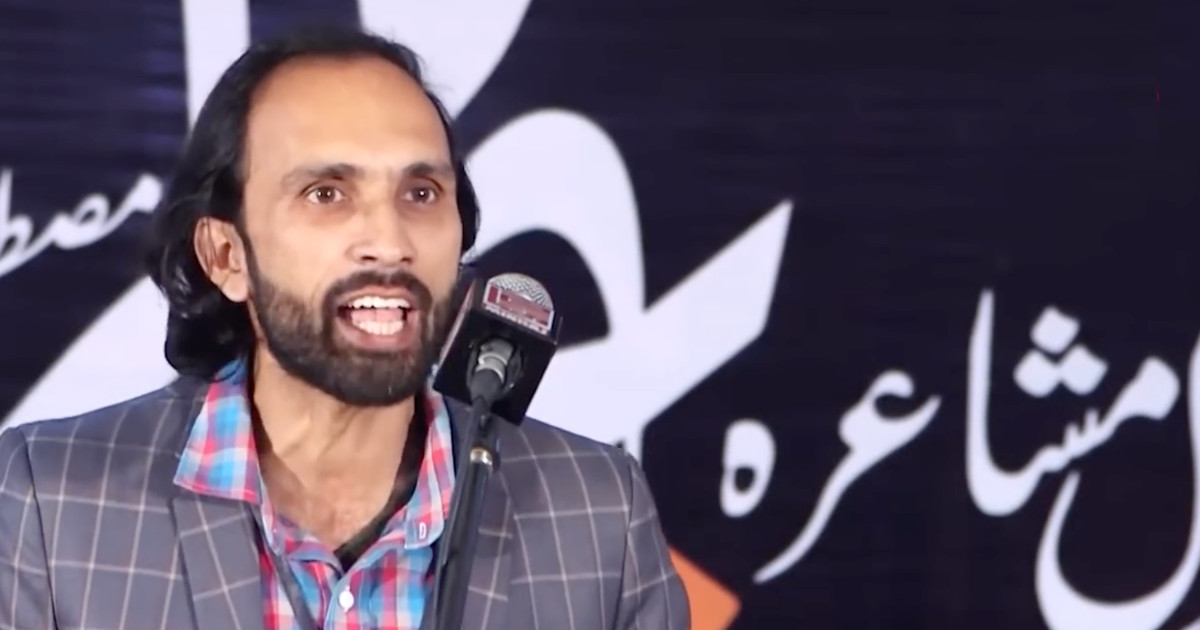
He was threatened by militants, survived a kidnapping attempt and got injured in a bomb blast. For journalist Abu Zar Afridi, working out of Khyber Agency (FATA), the message was loud and clear.
It was 2009 when this father of six packed up and left his village to take refuge in Peshawar. “My father and brothers told me either I quit journalism or leave the region,” says Afridi, who is with the Express Media Group.
Living in Landi Kotal tehsil was fraught with danger for this journalist whose reporting the militants did not like. He had been receiving threatening messages. Then came the abduction bid.
“I was coming back from Torkham and heading home one late evening in 2009 when four men in a small van attempted to abduct me,” he recalls. To his good luck, some people nearby came to his rescue.
The same year he fractured his arm in a bomb blast in Torkham. “The day I escaped kidnapping, I decided I was not going to live here any longer.”
Making the move was not easy for Afridi who also ran a clearing business at Torkham border. “Moving away meant shutting down this vital source of revenue.”
“For shifting to Peshawar I had to find accommodation and resources and needed to put the kids in school. Many institutions do not accept children from FATA where they say the educational system is weak.”
But Peshawar isn’t too safe either for journalists. This fact was underlined when Afridi found himself at the scene of a suicide bomb blast. “There is this court day of our tehsil, and I go there for reporting. I was there in the office when the suicide bomber struck. I was safe but my family was devastated.”
Afridi has continued to report on his region from Peshawar. His stories have created problems for his father back home. “He too got threats and messages asking him to tell me to be careful with my reporting.”
During his career he began in 2003, Afridi says he has received a lot of threats. “The militants are always there to threaten you and I got the most threats from them. Then there are the smugglers who get upset when you do a story about them, and also the local administration creates problems.”
Life hasn’t got any better for Afridi since he arrived in Peshawar. He is economically vulnerable even though he runs a small business. “I have been in journalism for 14 years but I am struggling financially. Although my family supports me a little, it is hard to make ends meet.”
He reveals that 95 percent of journalists in FATA do not get paid. “There are more than 300 tribal journalists but not even 15 get salaries,” he says. “Journalists should be well paid so that at least they can support their families.”
Afridi is disheartened no one helped him in times of trouble, not even the Pakistan Federal Union of Journalists or the Khyber Union of Journalists. The political administration and the FATA secretariat did not extend any assistance either. “It is a shame that when a journalist gets killed, injured or displaced no help is forthcoming from the government, journalist unions and NGOs.”
He laments there is no mechanism in place for helping families of journalists killed or those displaced. “The press clubs and the unions should talk to the big organizations and come up with packages for such journalists.”
Accommodation remains one of the biggest problems for displaced journalists. He recommends building a colony for such media persons besides providing healthcare and education to journalists’ children.
Afridi feels that FATA journalists should have representation in the legislation the government plans to bring on journalists’ safety. “We have long been ignored and should be made part of this mechanism.”
Key Points
- Abu Zar Afridi faced threats and violence while working in FATA.
- He survived a kidnapping attempt and a bomb blast.
- Journalists in FATA often receive no financial support.
- There is a lack of assistance for displaced journalists in Pakistan.
- Afridi calls for better representation and support for journalists' families.
Relevant Topics
Ask AI: Understand this story your way
AI EnabledDig deeper, ask anything — get instant context, background, and clarity.
Disclaimer: This feature is powered by AI and is intended to help readers explore and understand news stories more easily. While we strive for accuracy, AI-generated responses may occasionally be incomplete or reflect limitations in the underlying model. This feature does not represent the editorial views of JournalismPakistan. For our full, verified reporting, please refer to the original article.