
Taliban order closure of Tamadon TV amid crackdown on Afghan media
JournalismPakistan.com | Published: 10 June 2024
Join our WhatsApp channel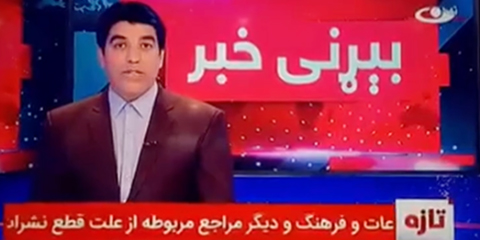
Tamadon TV faces closure after allegations of political affiliation with Harakat-e-Islami, which the broadcaster denies. The situation highlights the Taliban's ongoing suppression of media in Afghanistan.Summary
NEW YORK—The Committee to Protect Journalists (CPJ) has called on the Taliban to reverse its order to shut down the private broadcaster Tamadon TV and to end its escalating suppression of Afghan media.
On Thursday, the Taliban’s Ministry of Justice announced the closure of Tamadon TV, alleging that the broadcaster was affiliated with the Harakat-e-Islami political party and operating on "seized land," according to Qari Baraktullah Rasuli, spokesperson for the Ministry of Justice. The statement was posted on X (formerly Twitter) and reported by various media outlets. Tamadon TV has denied these claims.
Tamadon TV initially announced that a Taliban delegation had entered its station to shut down operations, but later confirmed that the suspension was postponed until Saturday. The exact date for the station's closure has not been specified by the Taliban.
"The Taliban must immediately and unconditionally reverse its decision to ban Tamadon TV and allow the channel to continue broadcasting," said CPJ Asia Program Coordinator Beh Lih Yi. "“The Taliban is expanding its relentless crackdown on Afghan media and suppressing any independent voices. This must end."
On June 6, Mohammad Jawad Mohseni, director of Tamadon TV, refuted the Taliban's allegations regarding the broadcaster's political affiliations. He clarified that the late founder of Tamadon TV, Ayatullah Asif Mohseni, had resigned from Harakat-e-Islami in 2005, well before establishing the TV station. Mohseni also stated that the land for Tamadon TV was legally purchased from a private owner and had no governmental ties.
Tamadon TV, predominantly owned and operated by members of the Hazara-Shia ethnic minority, covers political and current affairs as well as Shiite religious programming. The Hazara community has faced increasing persecution and violence since the Taliban's takeover in August 2021.
The closure of Tamadon TV is part of a broader series of restrictions imposed on Afghan media by the Taliban. In May, the Taliban's Media Complaints and Rights Violations Commission banned participation in discussions with Afghanistan International's television and radio stations, urging citizens to boycott the channel. Additionally, the Taliban shut down Noor and Barya TV broadcasters in April, citing violations of "national and Islamic values."
Since seizing control in 2021, the Taliban has also closed other broadcasters, including Radio Nasim in Daikundi Province, Hamisha Bahar Radio and TV in Nangarhar province, and Radio Sada e Banowan in Badakhshan province. International broadcasters such as Radio Free Europe/Radio Liberty and Voice of America have also been banned.
CPJ's requests for comments from Taliban spokesperson Zabihullah Mujahid did not receive a response.
Key Points
- Taliban's Ministry of Justice orders closure of Tamadon TV.
- CPJ calls for reversal of the ban on the broadcaster.
- Tamadon TV denies allegations of political ties.
- The closure is part of a wider crackdown on Afghan media.
- Hazara community increasingly persecuted since Taliban's takeover.
Relevant Topics
Ask AI: Understand this story your way
AI EnabledDig deeper, ask anything — get instant context, background, and clarity.
Disclaimer: This feature is powered by AI and is intended to help readers explore and understand news stories more easily. While we strive for accuracy, AI-generated responses may occasionally be incomplete or reflect limitations in the underlying model. This feature does not represent the editorial views of JournalismPakistan. For our full, verified reporting, please refer to the original article.