
Authors of Intercept cipher story deny NYT correspondent's allegations on PTI involvement
JournalismPakistan.com | Published: 10 August 2023
Join our WhatsApp channel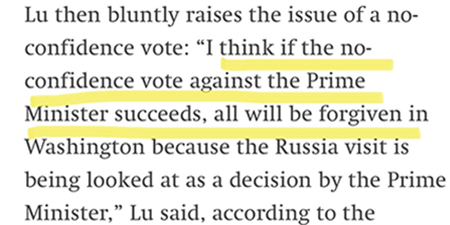
The authors of a controversial Intercept story have denied allegations made by a New York Times correspondent about PTI's involvement. They asserted their source was from the military, not PTI.Summary
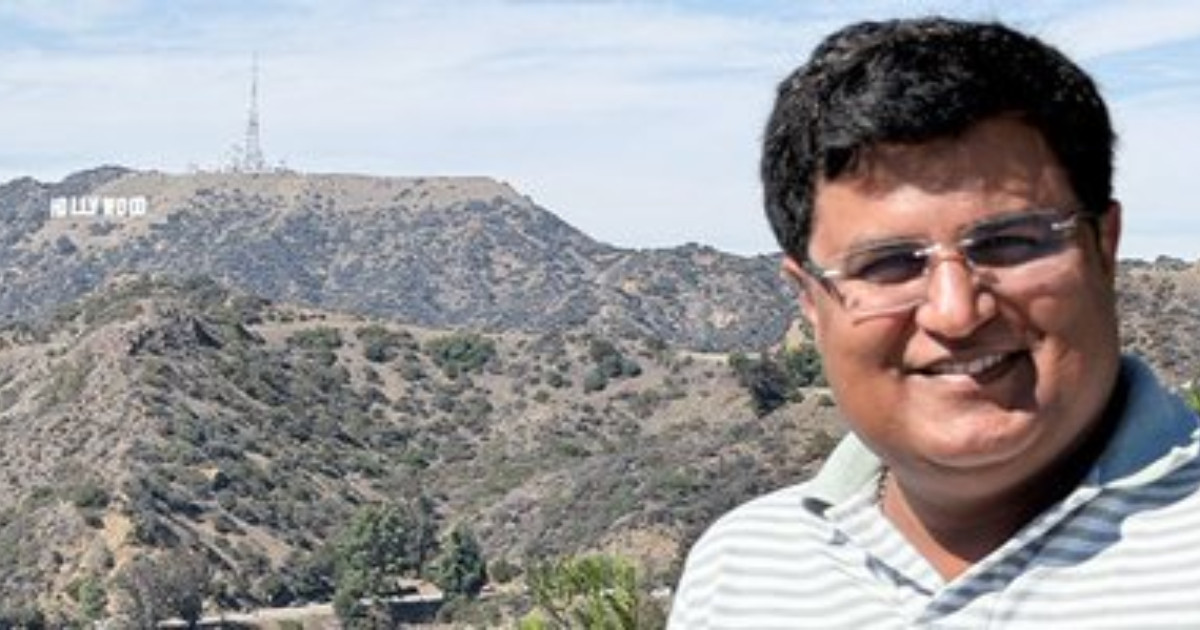
ISLAMABAD—Murtaza Hussain, one of the authors of The Intercept story on the diplomatic cipher, has denied the claim of The New York Times correspondent in Pakistan that the cipher was given to them by Pakistan Tehreek-e-Insaf (PTI).
Reacting to the story, Salman Masood, the correspondent for The New York Times in Pakistan and the editor of The Nation, claimed, "Taking things up a notch, PTI likely to be behind the leak of the controversial cable." He added that "Still, the contents don't prove a conspiracy but strained relations—and that was already known."
However, Hussain reacted sharply to the claim. He termed Masood's claim as false. "The @nytimes Pakistan correspondent is making a false claim suggesting that Imran Khan or members of his party were the source of our leak. I can confirm this is not true; if you have evidence to the contrary you are welcome to share it now, otherwise issue a retraction."
The Intercept story—"SECRET PAKISTAN CABLE DOCUMENTS U.S. PRESSURE TO REMOVE IMRAN KHAN"—has made public the text of the diplomatic cipher about the meeting between then Pakistani envoy to US Asad Majeed Khan and Assistant Secretary of State for the Bureau of South and Central Asian Affairs Donald Lu on 7 March 2022.
Former Prime Minister Imran alleged that the US was behind his government's change, which was removed through a no-trust in the National Assembly.
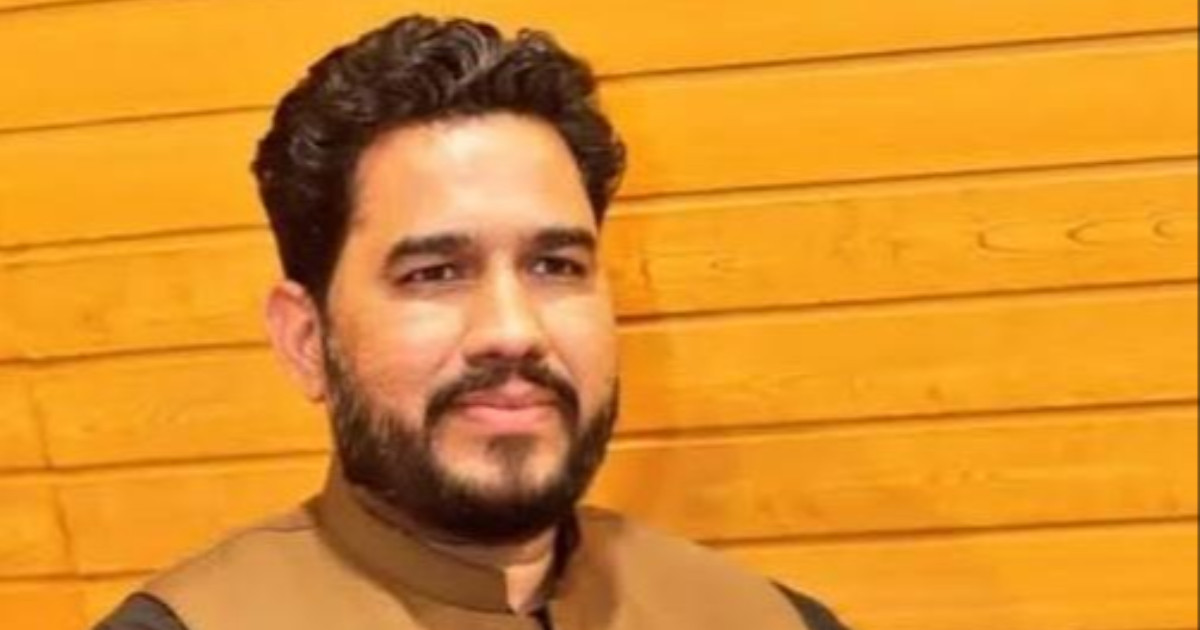
Ray Grim, the story's co-author, also denied Masood's claim. He asked the NYT correspondent to withdraw his claim. "I can say with 100% confidence that this claim from the New York Times is completely untrue. Khan was not our source. Neither was any other civilian. Our source was in the Pakistan military. If the Times has evidence to the contrary, publish it. Otherwise retract this."
Key Points
- Murtaza Hussain denies NYT correspondent's claim of PTI involvement.
- Salman Masood alleged PTI was behind the leak of a controversial cipher.
- Hussain urges for evidence or retraction from NYT.
- Co-author Ray Grim confirmed military as their source, not PTI.
- The Intercept story highlights U.S. pressure involving Imran Khan.
Relevant Topics
Ask AI: Understand this story your way
AI EnabledDig deeper, ask anything — get instant context, background, and clarity.
Disclaimer: This feature is powered by AI and is intended to help readers explore and understand news stories more easily. While we strive for accuracy, AI-generated responses may occasionally be incomplete or reflect limitations in the underlying model. This feature does not represent the editorial views of JournalismPakistan. For our full, verified reporting, please refer to the original article.