
Iraq, Syria deadliest countries for journalists
JournalismPakistan.com | Published: 21 December 2017
Join our WhatsApp channel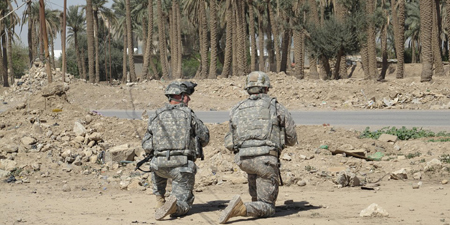
The Committee to Protect Journalists reported 42 journalist deaths in 2017, with Iraq becoming the deadliest country. Mexico also reported significant fatalities linked to retaliation.Summary
NEW YORK - At least 42 journalists were killed in the course of their work in 2017, the Committee to Protect Journalists found in its annual analysis.
While the overall number eased for a second consecutive year from record highs earlier this decade, at least six journalists were murdered in Mexico, the most killings there in one year that CPJ has confirmed as direct reprisal for reporting.
Iraq was the most deadly country, making it the first time in six years that Syria did not top the list. At least eight journalists were killed in Iraq and seven in Syria.
“Surges in journalists deaths have been linked to coverage of conflict, so it’s certainly good news that there are fewer media deaths in the Middle East. It’s also a reminder of why journalist safety worldwide must remain a priority,” said CPJ Executive Director Joel Simon. “The rise in the number of journalists murdered in Mexico in retaliation for their work is terrible news and suggests that the Mexican government has failed in its public commitments to end the culture of impunity.”
Globally, the number of journalists singled out for murder in reprisal for their reporting has declined for the past two years, with 17 as of December 15, 2017 compared with 18 in the whole of 2016.
The reason for the recent decline is unclear, and could be due to several factors including self-censorship, efforts to bring global attention to the issue of fighting impunity, and the use of other means, such as imprisonment, to silence critical journalists.
Eight- or 19 percent - of journalists killed in 2017 were female, CPJ research shows. The historical average is around seven percent. "We are alarmed by this high number, and note that some of the most prominent journalists killed last year were women, including Kim Wall, Miroslava Breach, and Daphne Caruana Galizia," Simon said.
One third of journalists killed overall were freelancers. Politics was the deadliest beat, followed by war, and camera operator was the most dangerous job.
CPJ’s database of journalists killed in 2017 includes capsule reports on each victim and filters for examining trends in the data.
CPJ began compiling detailed records on all journalist deaths in 1992. CPJ considers a case work-related only when its staff is reasonably certain that a journalist was killed in direct reprisal for his or her work; in combat-related crossfire; or while carrying out a dangerous assignment. CPJ's list does not include journalists who died of illness or were killed in car or plane accidents. – A CPJ media release
Key Points
- 42 journalists were killed worldwide in 2017.
- Iraq and Syria were the most dangerous countries for journalists.
- Mexico saw a rise in journalist murders due to direct reprisals.
- 19% of killed journalists were female, a notable increase from previous years.
- Politics was the deadliest reporting sector.
Relevant Topics
Ask AI: Understand this story your way
AI EnabledDig deeper, ask anything — get instant context, background, and clarity.
Disclaimer: This feature is powered by AI and is intended to help readers explore and understand news stories more easily. While we strive for accuracy, AI-generated responses may occasionally be incomplete or reflect limitations in the underlying model. This feature does not represent the editorial views of JournalismPakistan. For our full, verified reporting, please refer to the original article.