
IPI sees Pakistan lifting censorship of state media a step toward press freedom
JournalismPakistan.com | Published: 25 August 2018
Join our WhatsApp channel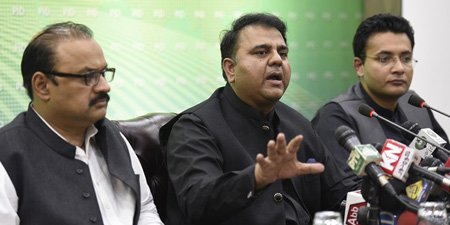
The International Press Institute has praised Pakistan for lifting censorship on state-run media. The decision is seen as a crucial move towards restoring press freedom.Summary
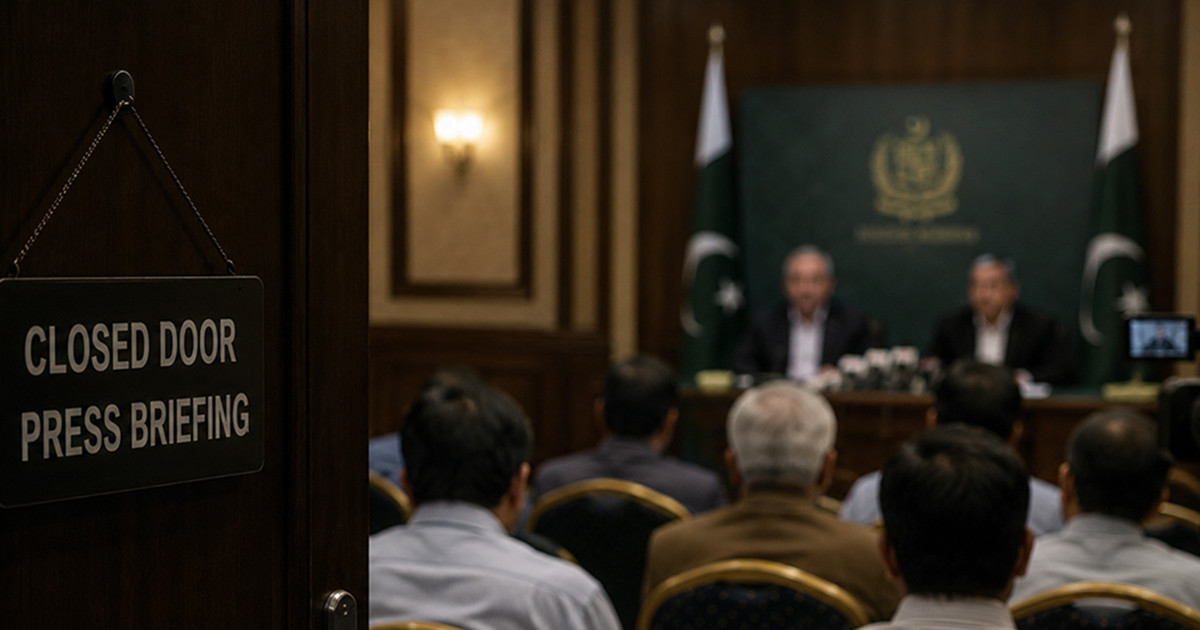
The International Press Institute (IPI), a global network of editors, media executives and leading journalists, has welcomed the decision of Pakistan Prime Minister Imran Khan to lift censorship on state-run Pakistan Television and Radio Pakistan.
The IPI said in a press statement: “The announcement by the government of Prime Minister Imran Khan that state media will be allowed editorial independence appears to be an important step towards restoring respect for press freedom in Pakistan”, IPI Executive Director Barbara Trionfi said. “We urge the government to implement such commitment thoroughly and refrain from using the government’s control over the state media’s governing bodies to influence news content.”
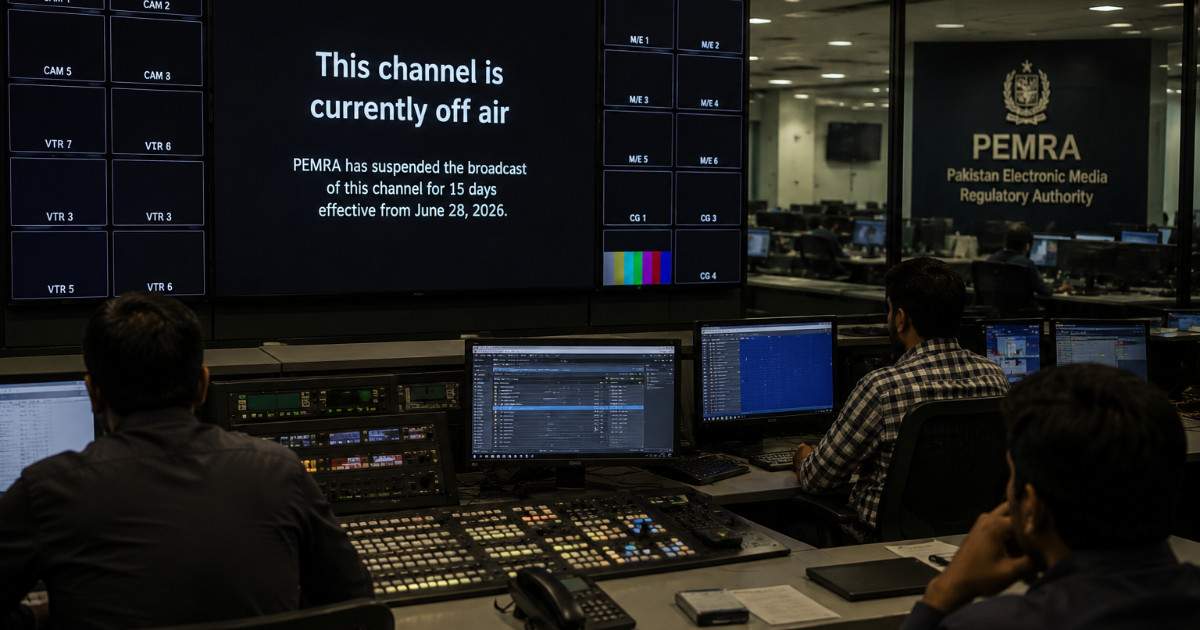
Pakistan’s Information Minister, Chaudhary Fawad Hussain, announced on August 21 that the government had lifted all political censorship on state-run media. He said that PTV and Radio Pakistan had been given complete editorial independence over content.
However, it may be recalled that similar statements have been made by earlier governments about the independence of the state-run media. Both PTV and Radio Pakistan do not enjoy the credibility of being independent and impartial because the government owns and exercises administrative control over the two media organizations. The two media organizations reflect the government’s view and particularly that of the party in power.
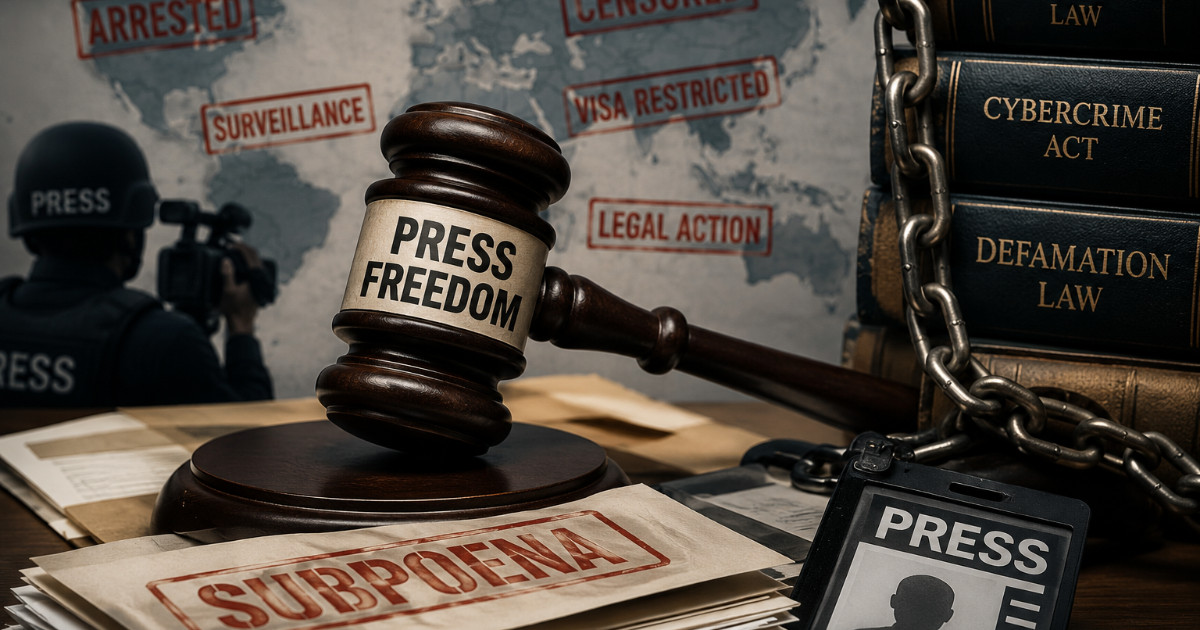
Welcoming Fawad Hussain’s announcement, IPI also reiterated concerns about the ongoing clamp-down on independent news media in Pakistan.
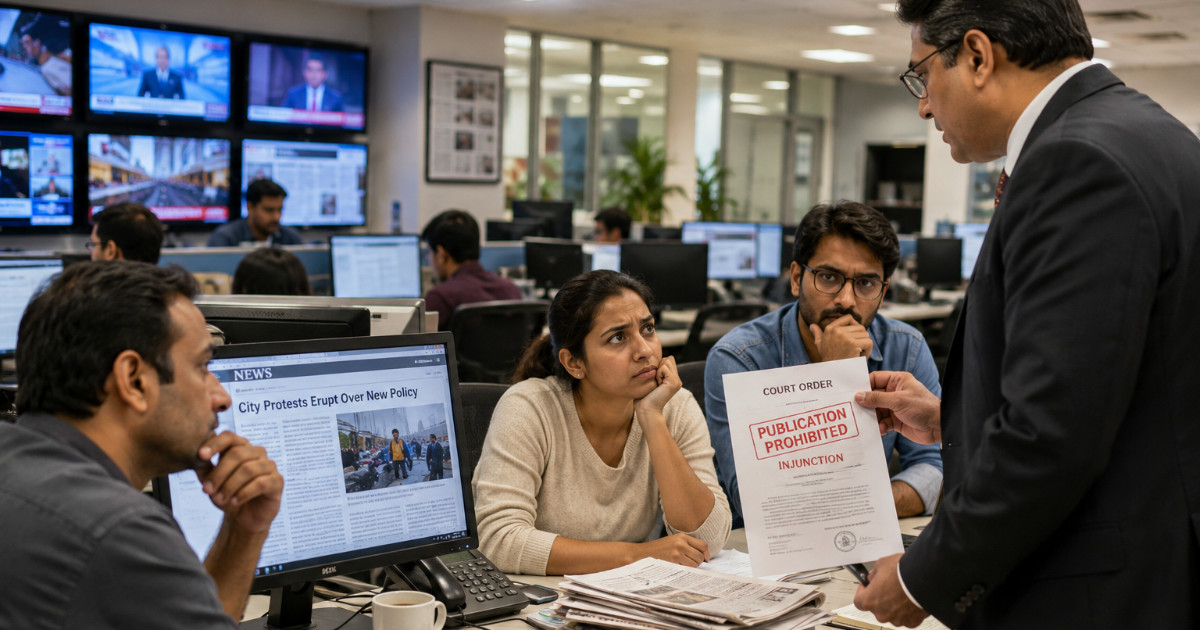
“The independent media in Pakistan is facing serious intimidation, restrictions on the sale and circulation of newspapers as well as the blockading of television broadcasts by the authorities”, Trionfi noted. “We reiterate our call on Prime Minister Imran Khan to ensure that news organizations and journalists in Pakistan can operate freely and without fear of intimidation, and so ensure that the people of Pakistan have access to diverse sources of news.”
IPI had written to Khan before the national elections on June 12 and again on August 13 after his party, Pakistan Tahreek-i-Insaaf, emerged as the largest party in the National Assembly, expressing grave concern over the decline of press freedom in the country and efforts by the military to silence the work of independent media and journalists.
The letters stated that press freedom and the free flow of information are essential to establish a strong and corruption-free democracy. “IPI is worried that the continued persecution of the independent media is designed to convey a clear message – that any criticism of the military’s involvement in civilian affairs will have dire consequences for the survival of an independent press in Pakistan”, the letter read. - IPI/Photo: Photo: EPA-EFE/T. MUGHAL
Key Points
- IPI welcomes the lifting of censorship on state media in Pakistan.
- The government promises to grant editorial independence to PTV and Radio Pakistan.
- Concerns remain about government influence on news content.
- Independent media continues to face intimidation in Pakistan.
- Press freedom is essential for a strong democracy.
Relevant Topics
Ask AI: Understand this story your way
AI EnabledDig deeper, ask anything — get instant context, background, and clarity.
Disclaimer: This feature is powered by AI and is intended to help readers explore and understand news stories more easily. While we strive for accuracy, AI-generated responses may occasionally be incomplete or reflect limitations in the underlying model. This feature does not represent the editorial views of JournalismPakistan. For our full, verified reporting, please refer to the original article.